Free survey, Mon–Sat 7–20+1-555-0178No-heat line, every night24/7 · under 4 hServing the North ShoreBrightwater, MN

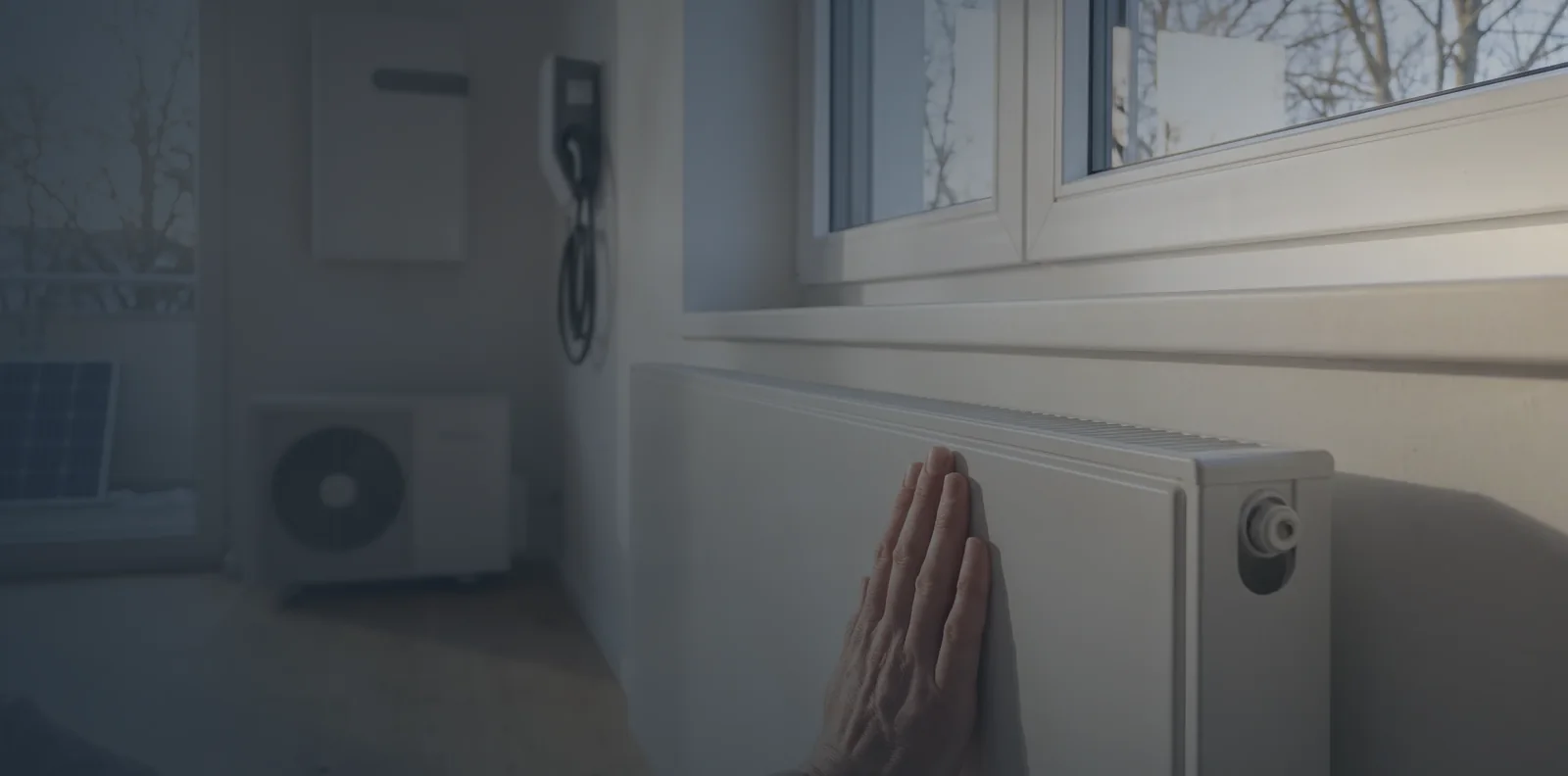
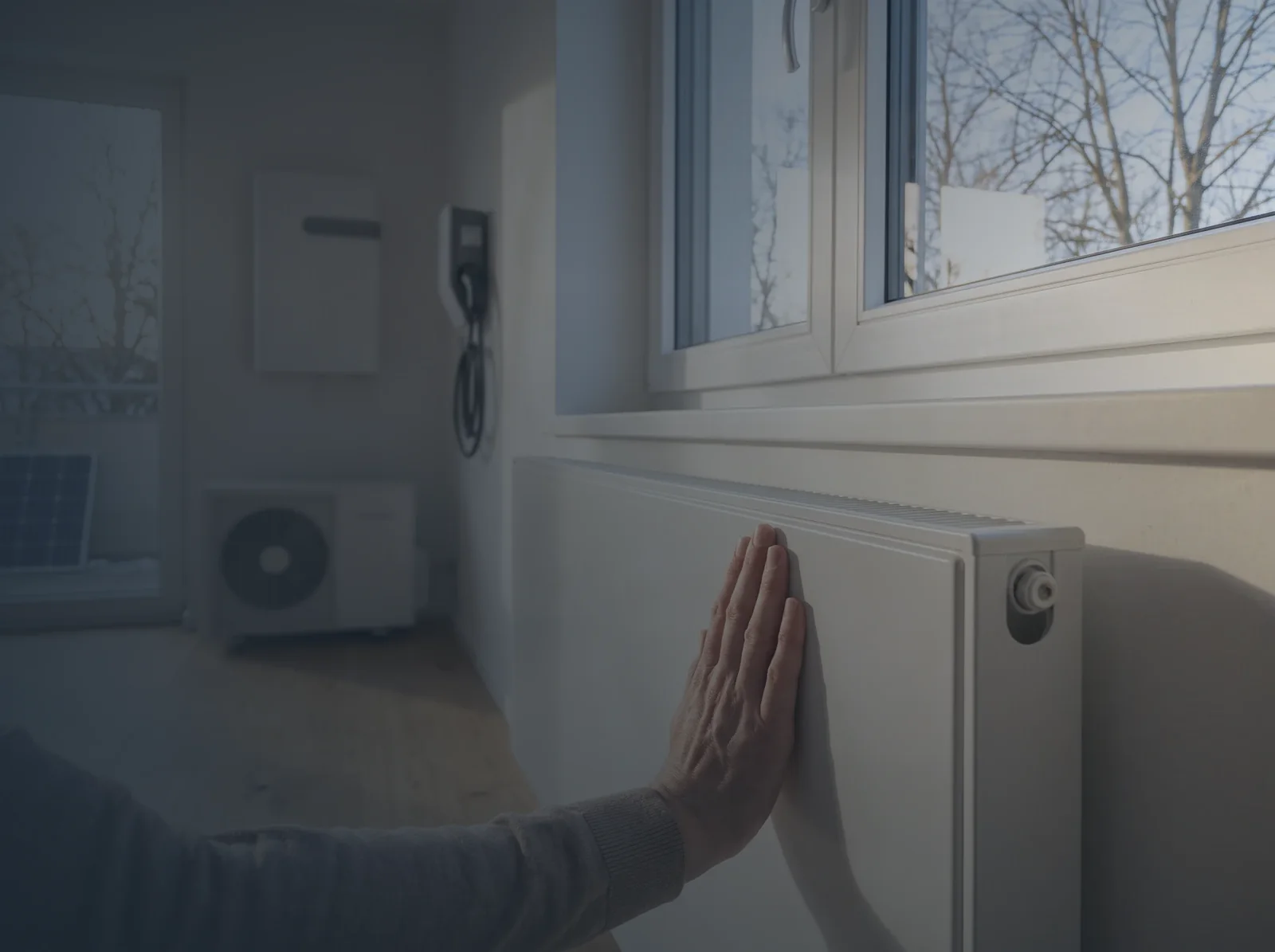
One outdoor unit replaces the oil boiler or propane furnace and feeds the radiators, underfloor loops and hot water you already have.
An air-to-water heat pump pulls heat out of winter air and puts it into water — up to 65 °C, hot enough for most radiators sized for an oil boiler. Where a room runs cool on the survey, we swap that one radiator, not the whole system.
The same unit heats your hot-water cylinder, so the boiler, the tank and the yearly oil delivery all go in one visit.
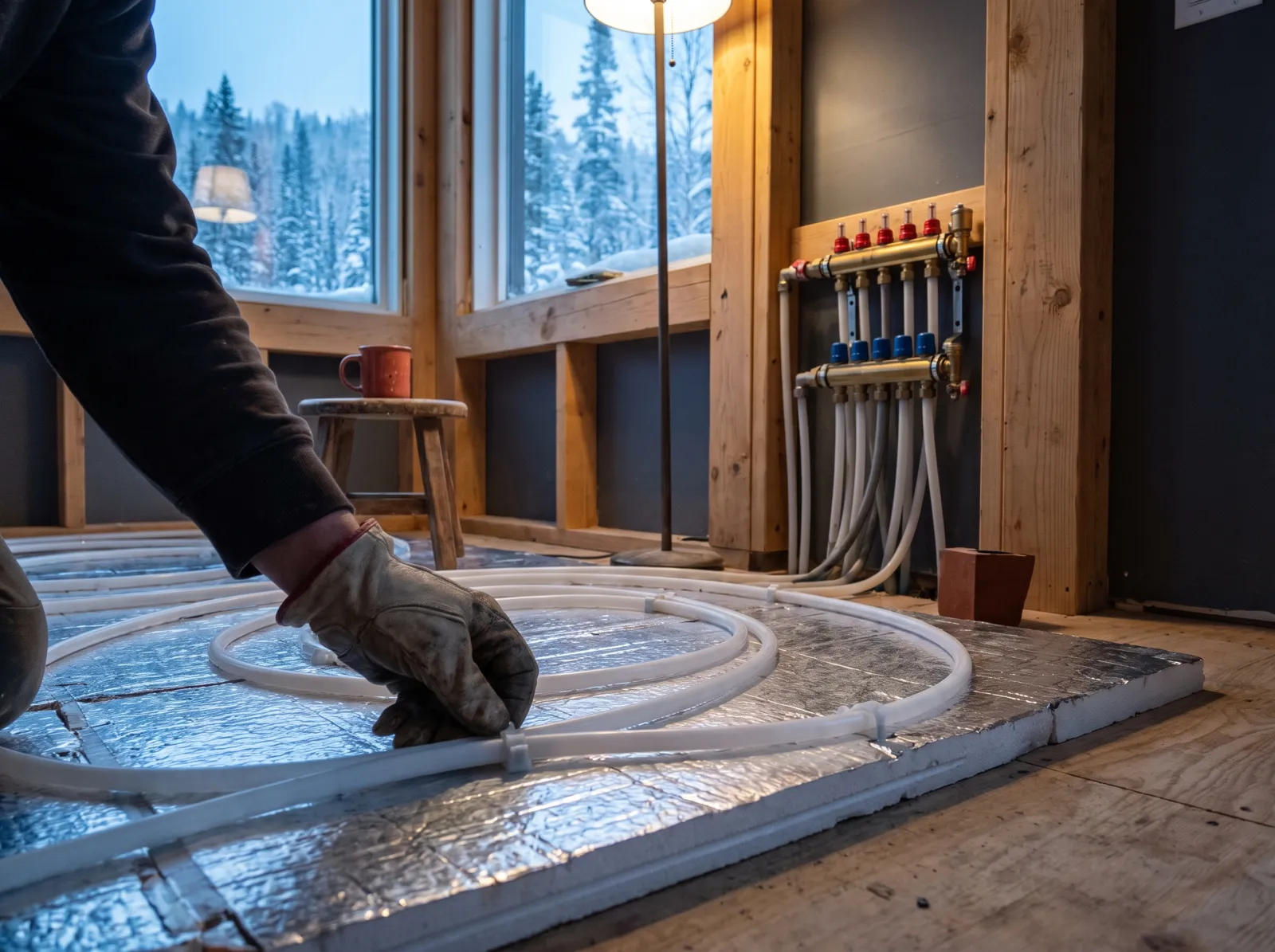
A cylinder and a neat run of copper in the utility room, the radiators you already had, and one unit outside on a stand.
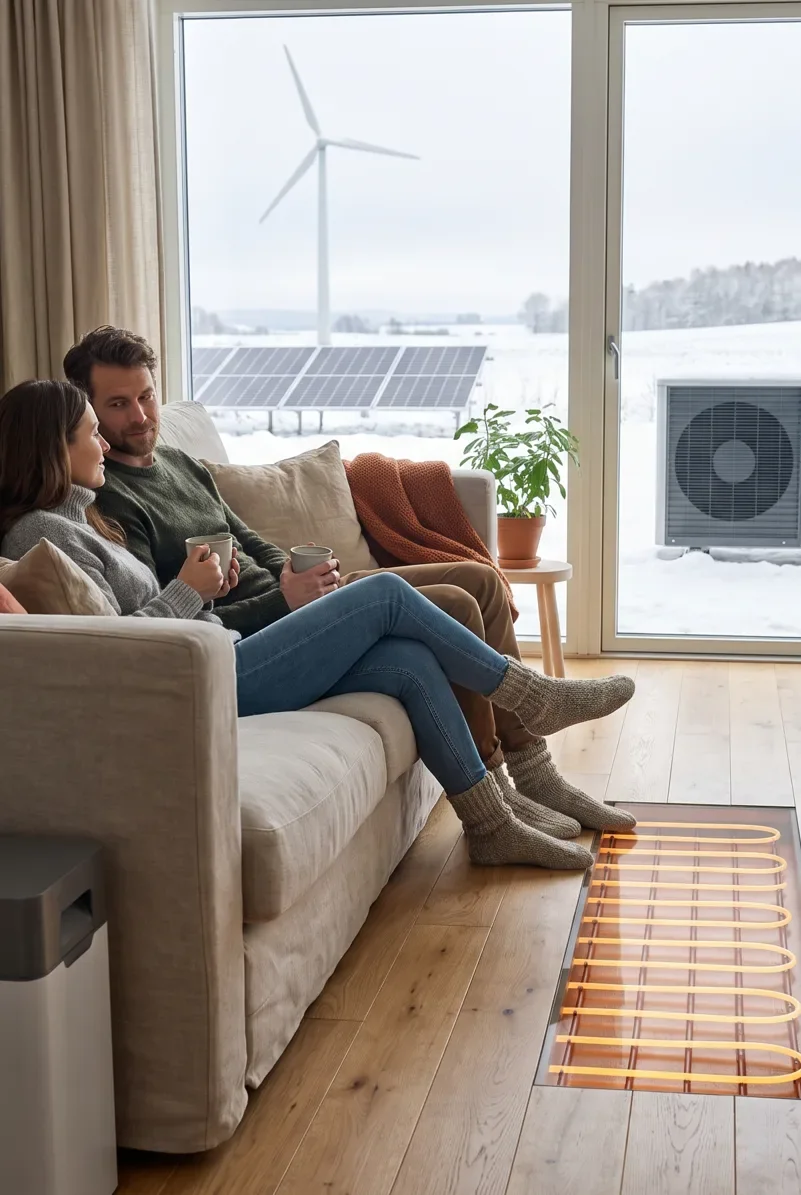
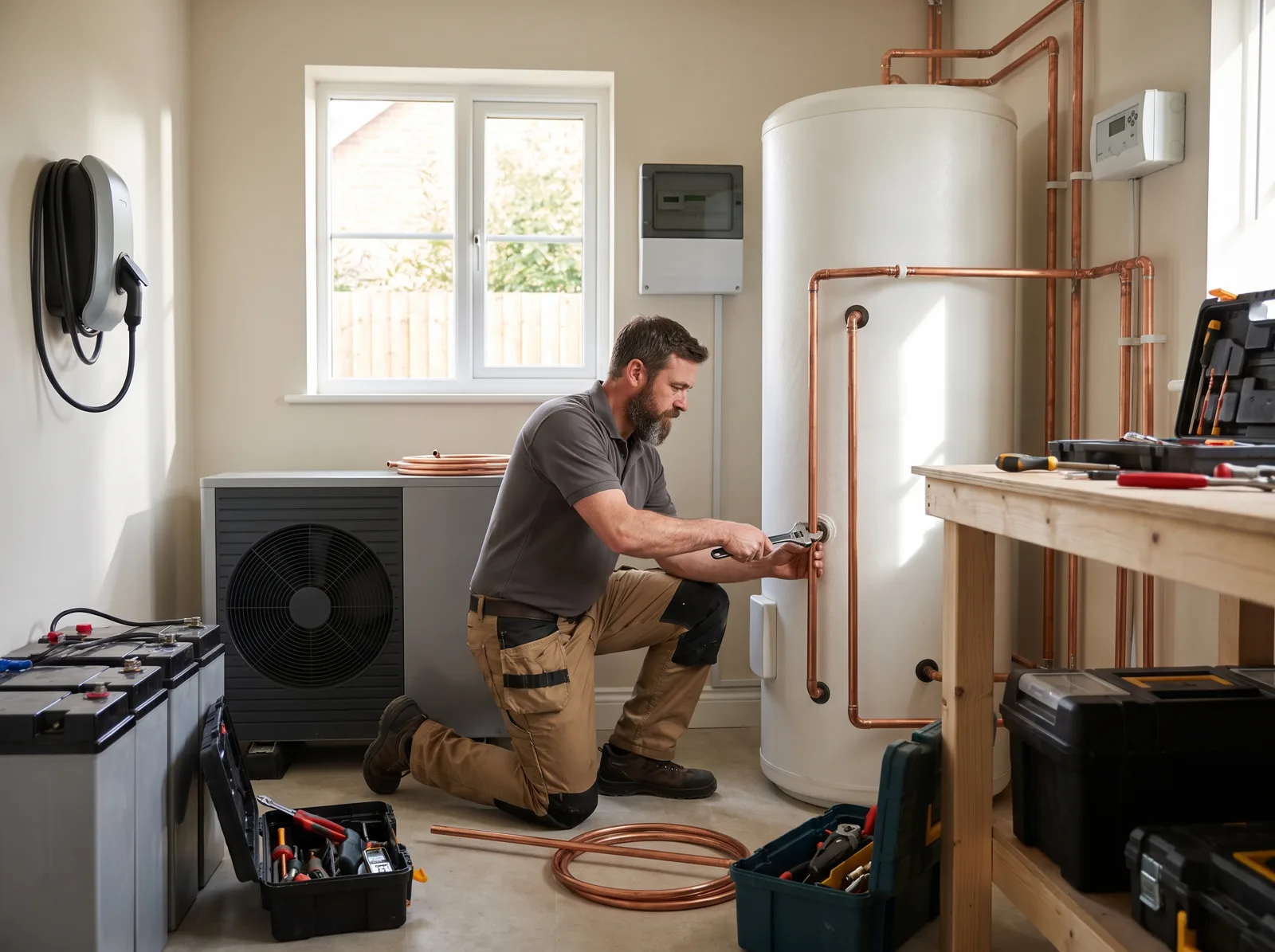
One fixed price covers all eight. If a radiator needs upsizing, it is in the quote — never on the invoice.
Usually yes. The unit makes water up to 65 °C, and most radiators sized for an oil boiler heat the room at 45–55 °C. The survey flags any room that falls short, and we swap only that radiator.
Yes. Our units are rated to −30 °C and still delivered a COP of 2.1 at −25 °C last January. A small electric strip is wired in as backup; on our installs it ran for about six hours over the whole winter.
Yes — the same outdoor unit heats an insulated cylinder, so the boiler and the oil or propane tank both go.
Usually one day of the two to four. We plan the switch-over for a mild day and leave temporary heaters if the forecast turns.
The state heat pump rebate (up to $8,000, income-based, paid at install), the county weatherization grant and the North Shore Power cold-climate rebate. We list them in your quote and file all three.
The five questions we hear in almost every boiler room.
A farmhouse on radiators, a new build on underfloor and the house we logged on January 14 — each with the bill before and after.