Free survey, Mon–Sat 7–20+1-555-0178No-heat line, every night24/7 · under 4 hServing the North ShoreBrightwater, MN

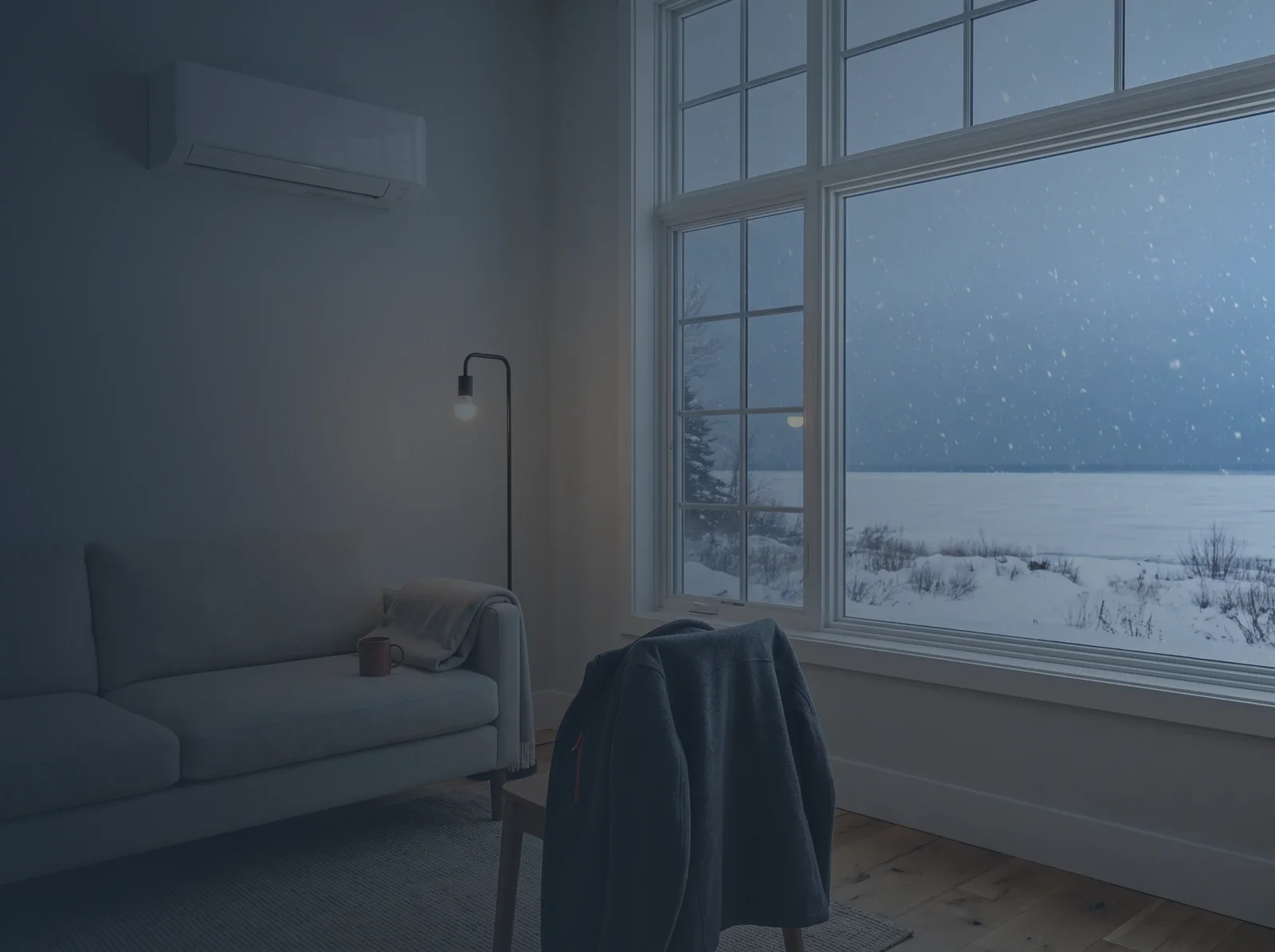
Quiet wall heads that heat in January and cool in July — for homes on baseboard, additions and cabins with no ducts or pipes to reuse.
A mini-split is one outdoor unit and up to five slim indoor heads, linked by a pencil-thin refrigerant line through the wall. Each room gets its own thermostat, so the spare room stays cool while the living room runs at 21 °C.
In July the same heads run in reverse. For a baseboard home it is the shortest route off the most expensive heat on the North Shore.
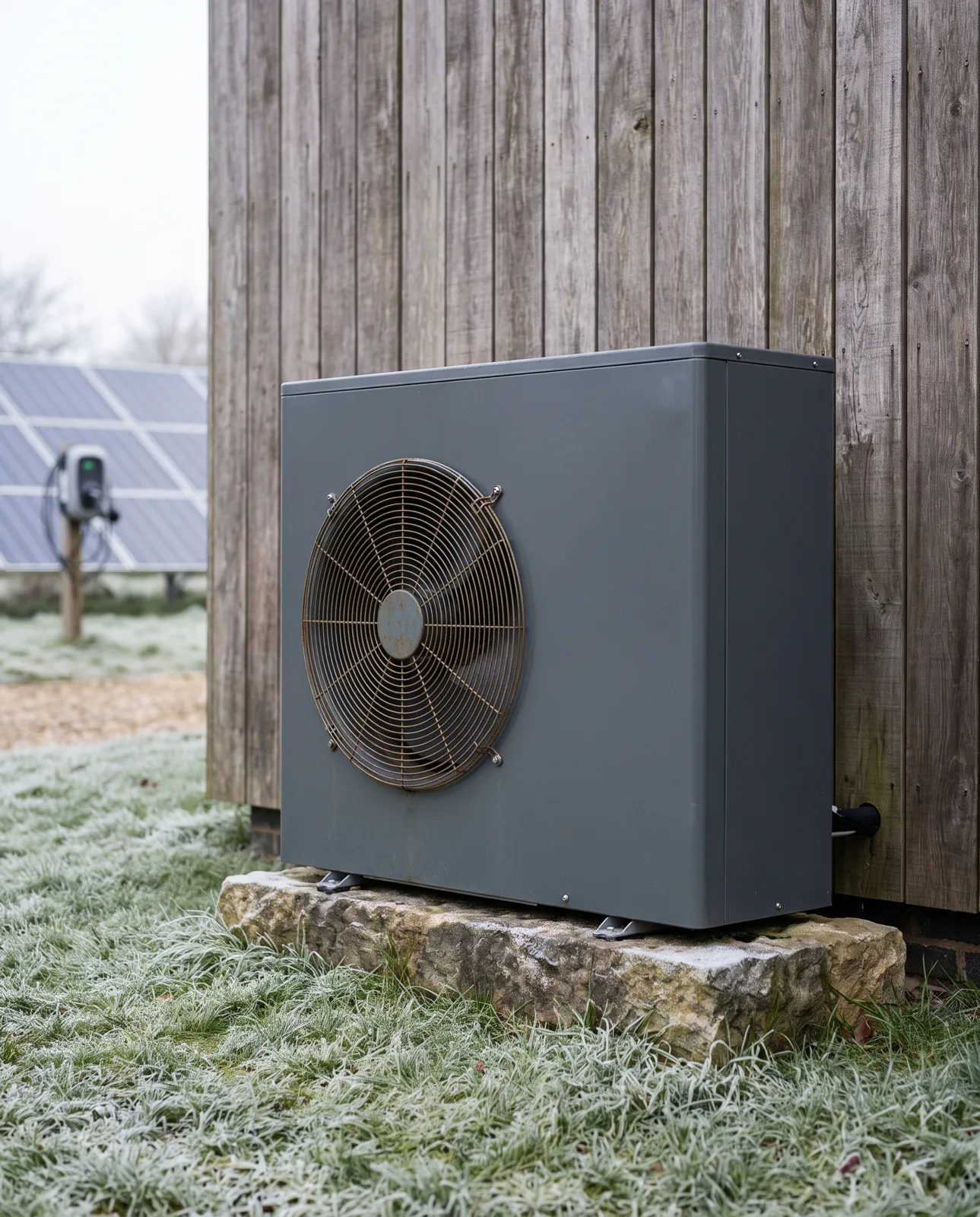
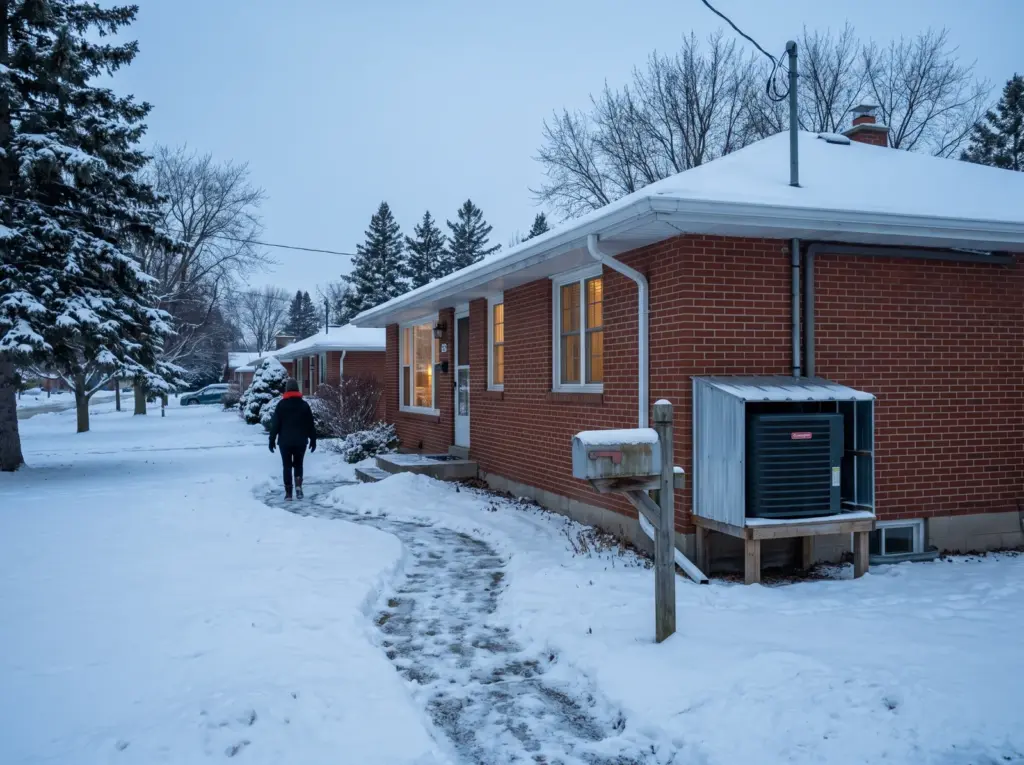
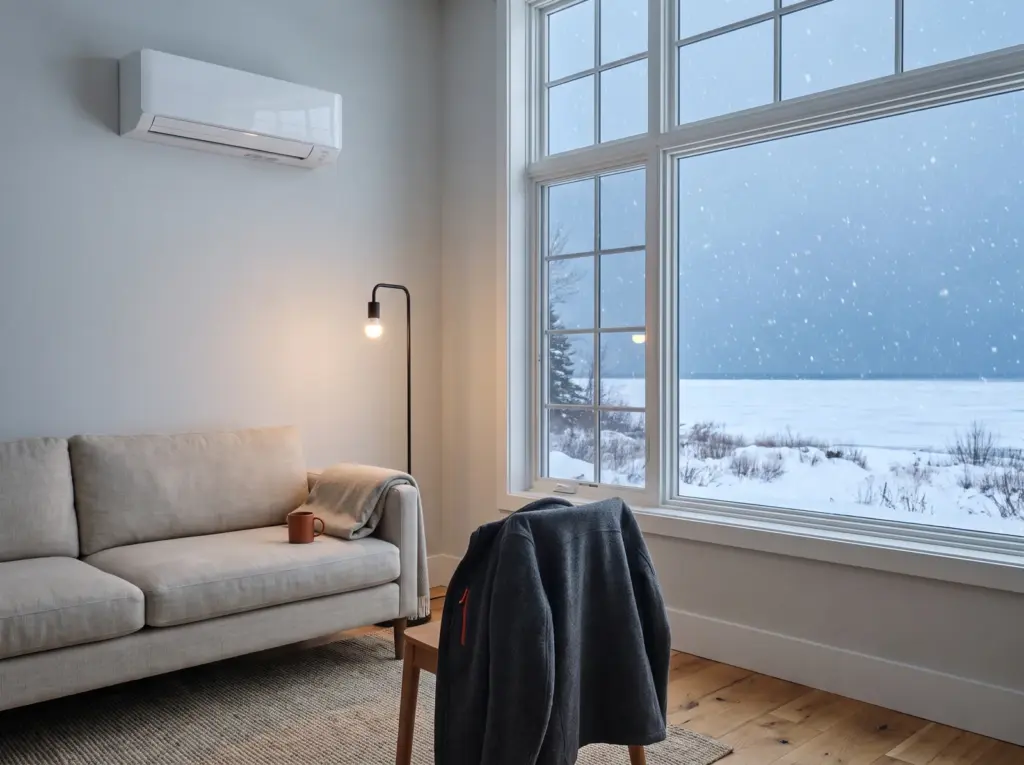
A slim head high on the wall, a line hidden in the siding and one unit outside on a stand — above the drifts, with a heated drain.
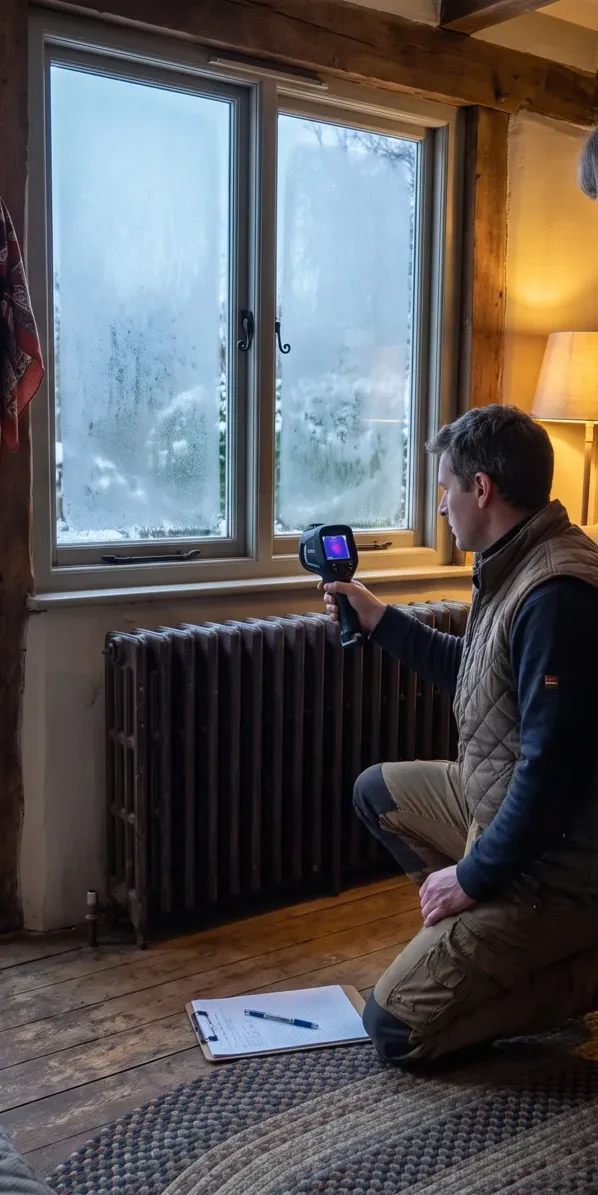
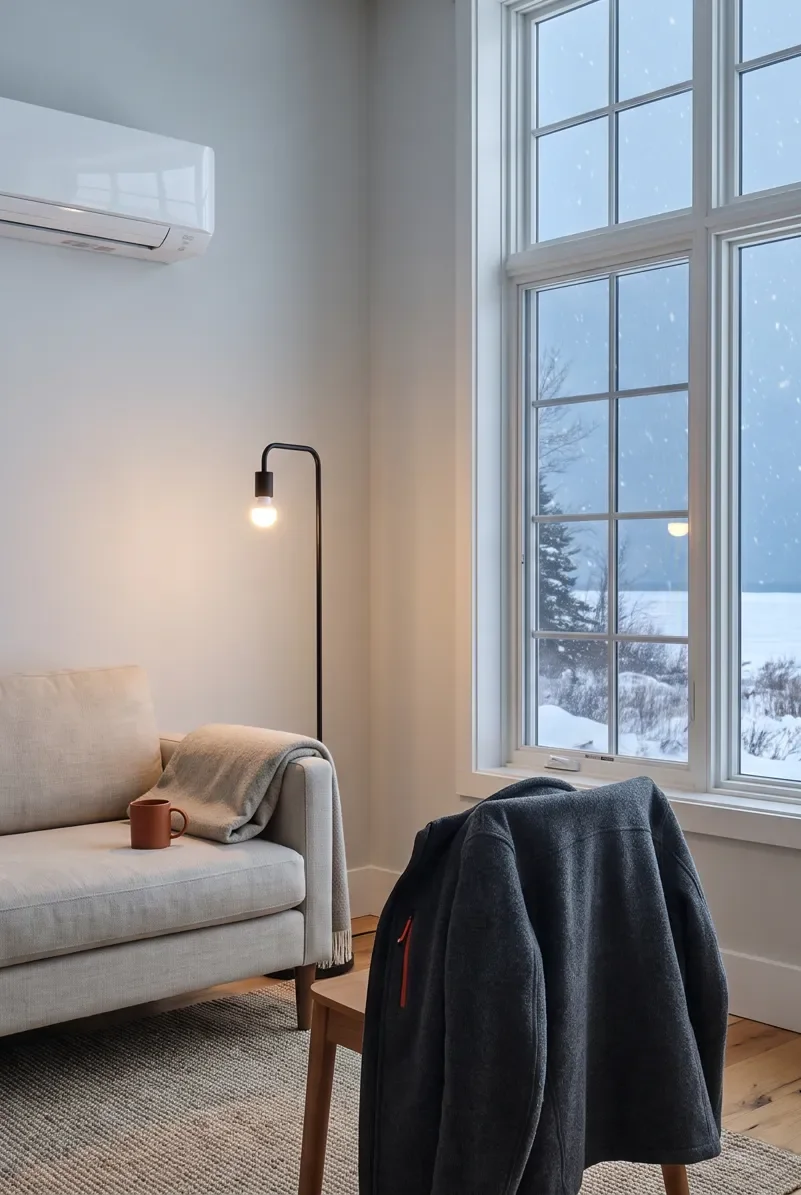
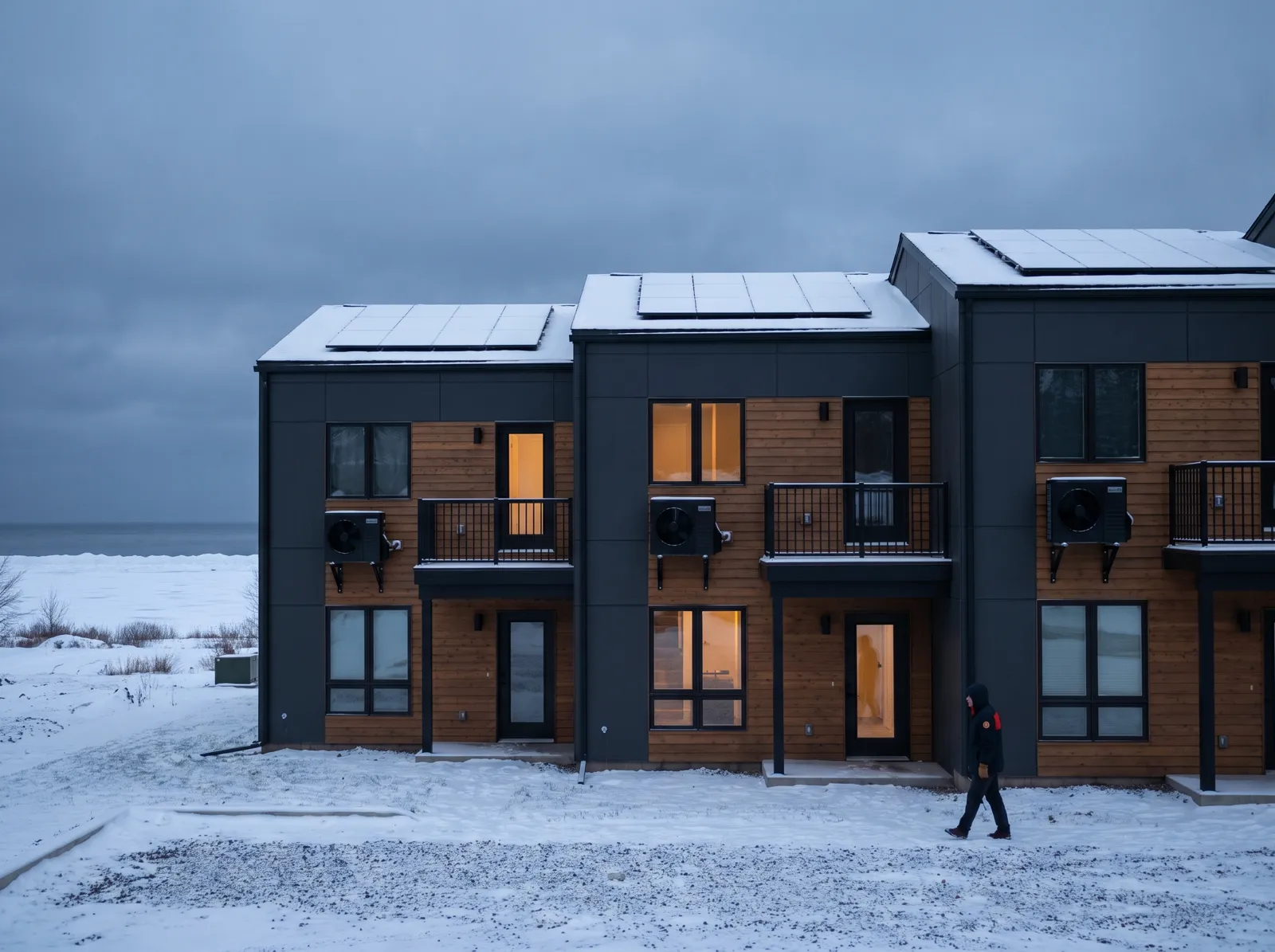
One fixed price covers all eight, line set and wall sleeve included. No surprise electrical work.
One per main living space is typical — most homes land on two to four. The heat-loss survey tells us which rooms need their own head and which share warm air through an open door.
Indoor heads run at about the level of a quiet fridge; most of the year you will not notice them. The outdoor unit is quieter than a running dishwasher at a few metres.
Yes. Our units are rated to −30 °C. On January 14 at −25 °C, none of the 212 systems we monitor in town needed a no-heat callout.
Yes, many people do. Turned down, they only come on if a room drops below their setting — which on our installs is rare.
The county weatherization grant and the North Shore Power cold-climate rebate ($500–1,500); income-qualified homes may also get the state heat pump rebate. We file them for you.
The five questions baseboard homes ask before every survey.
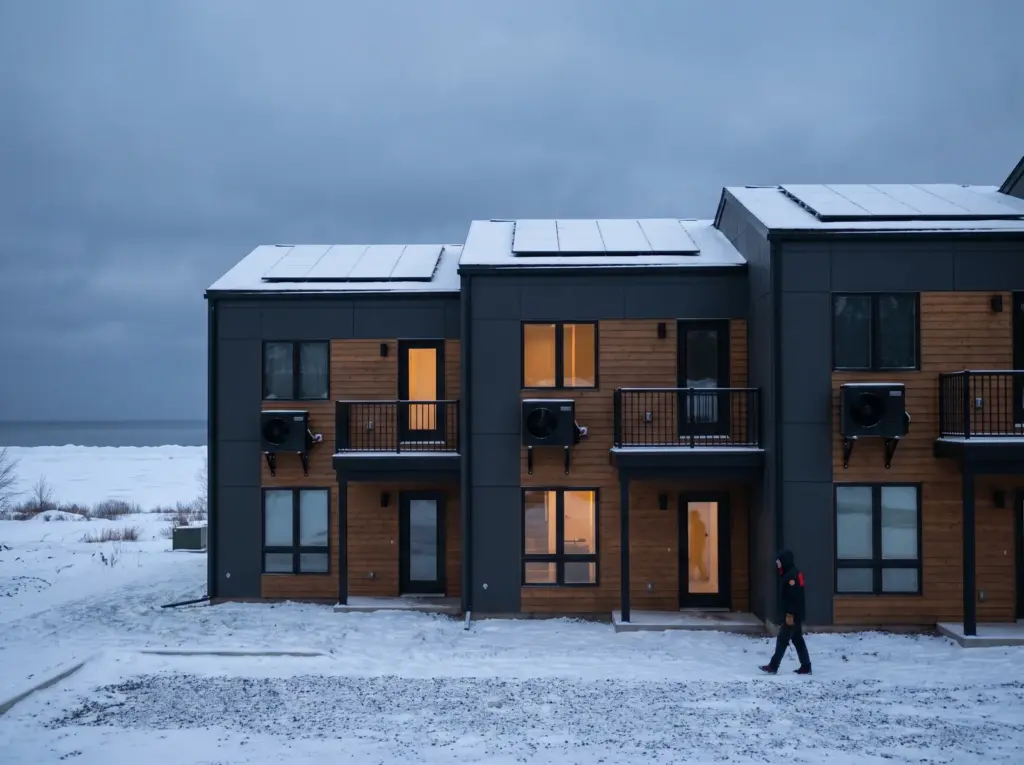
A bungalow that dropped propane, three townhouses that dropped gas and a cabin that dropped baseboard — with the bills to show it.