Free survey, Mon–Sat 7–20+1-555-0178No-heat line, every night24/7 · under 4 hServing the North ShoreBrightwater, MN

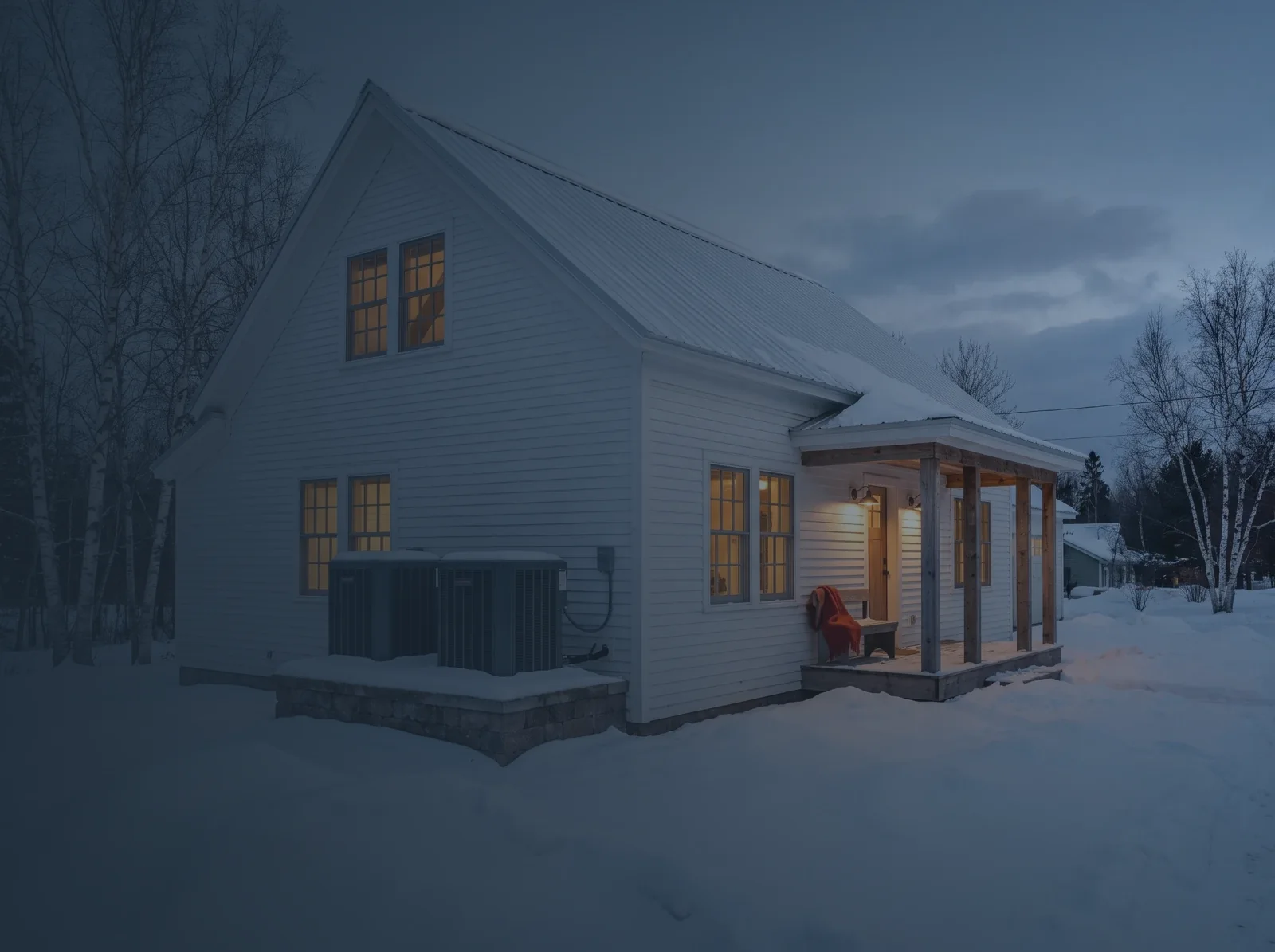
A heat pump does the heating most of the winter; your gas or propane furnace stays wired in and takes over only on the very coldest nights.
A hybrid adds an outdoor heat pump coil to your existing furnace and ducts. A smart controller picks the cheaper heat source hour by hour — the heat pump almost all winter, the furnace only when it is colder than about −22 °C.
It is the gentlest switch for a home with good ducts and a furnace that still has years left in it, and it cools the house in summer through the same vents.
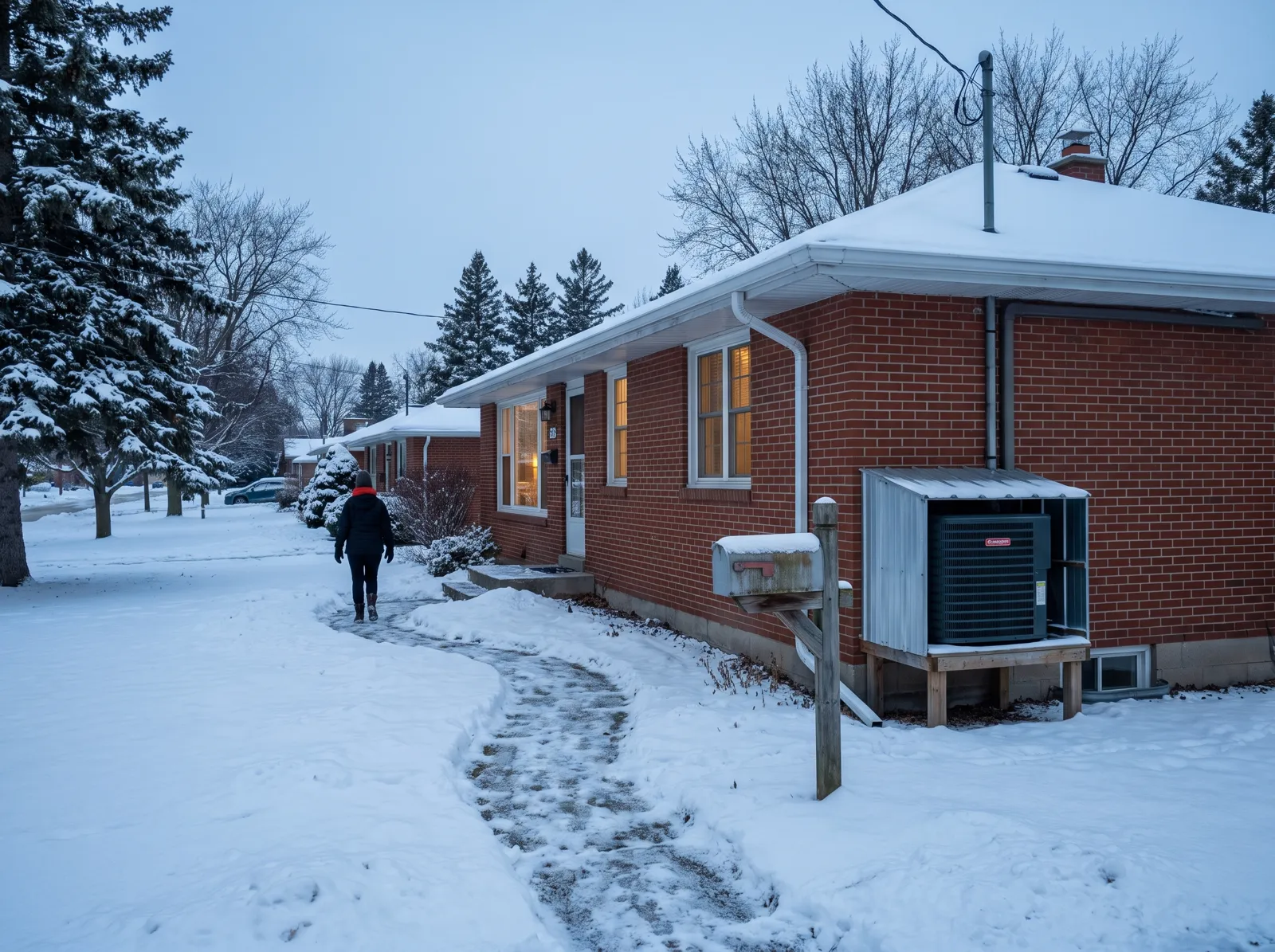
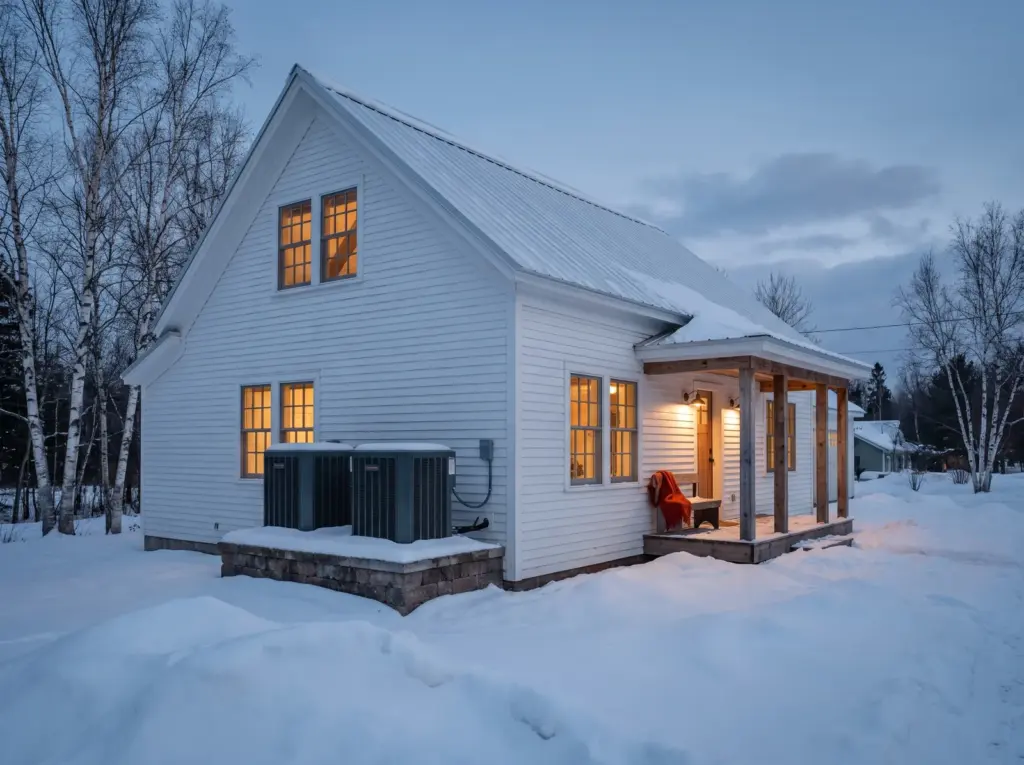
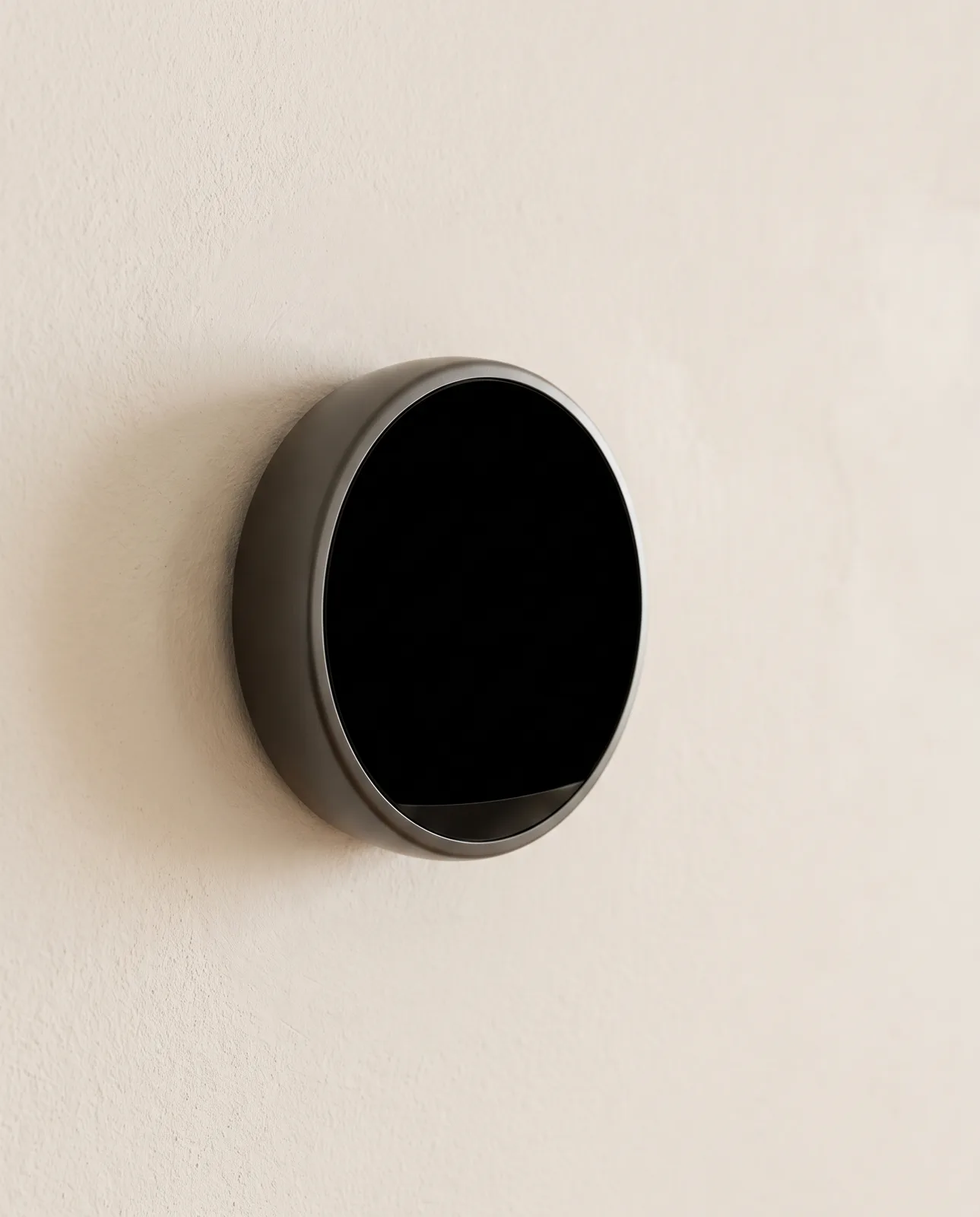
One unit outside, a coil on top of the furnace you already have and a thermostat that decides which one runs.
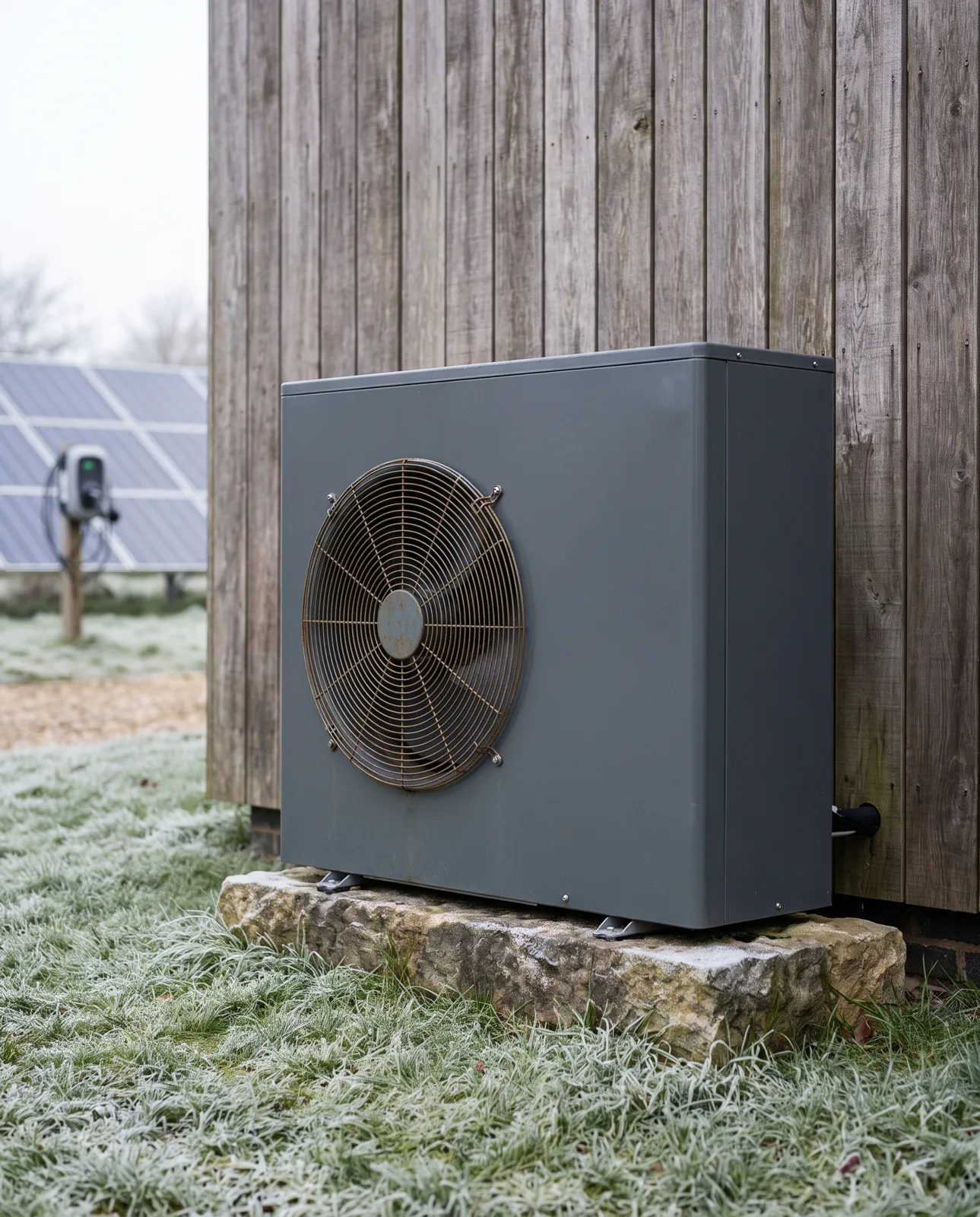
One fixed price covers all eight. If your ducts need sealing first, you hear before we start.
Usually below about −22 °C, or whenever the controller sees that fuel is cheaper than power that hour. You can move the switch-over point in the app.
Gas is the cheapest fuel we replace, so the saving is smaller — about $330 a year on a typical home. People choose a hybrid for summer cooling and a lower bill without retiring a good furnace.
Rarely. We test airflow on the survey; if a duct run is undersized or leaky, sealing is quoted before you sign.
Then we size a full air-to-water or ducted heat pump to replace it — the outdoor unit you already have often stays.
Mainly the North Shore Power cold-climate rebate ($500–1,500); the county weatherization grant can cover duct sealing. We list and file what you qualify for.
The five questions gas and propane homes ask us most.
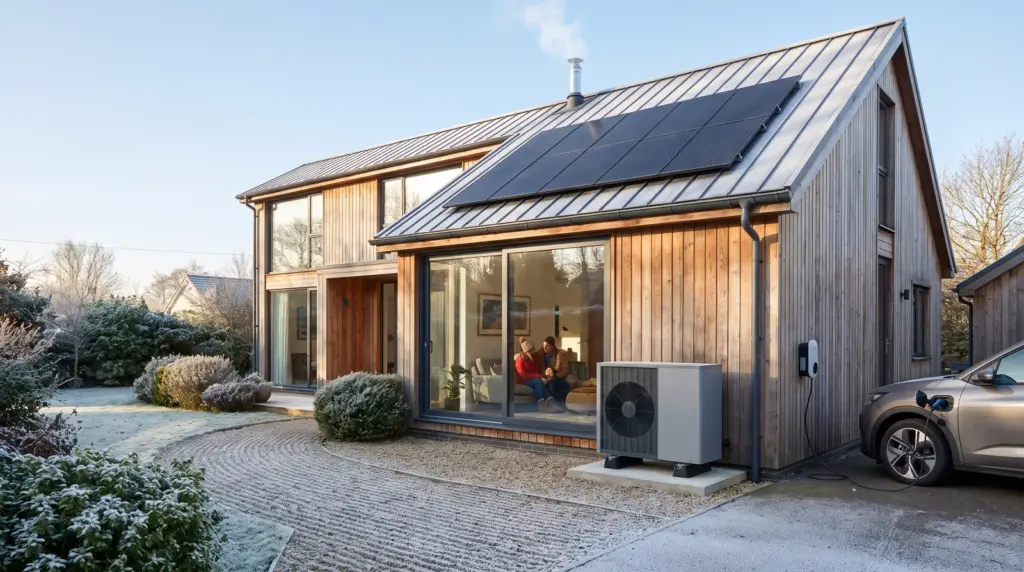
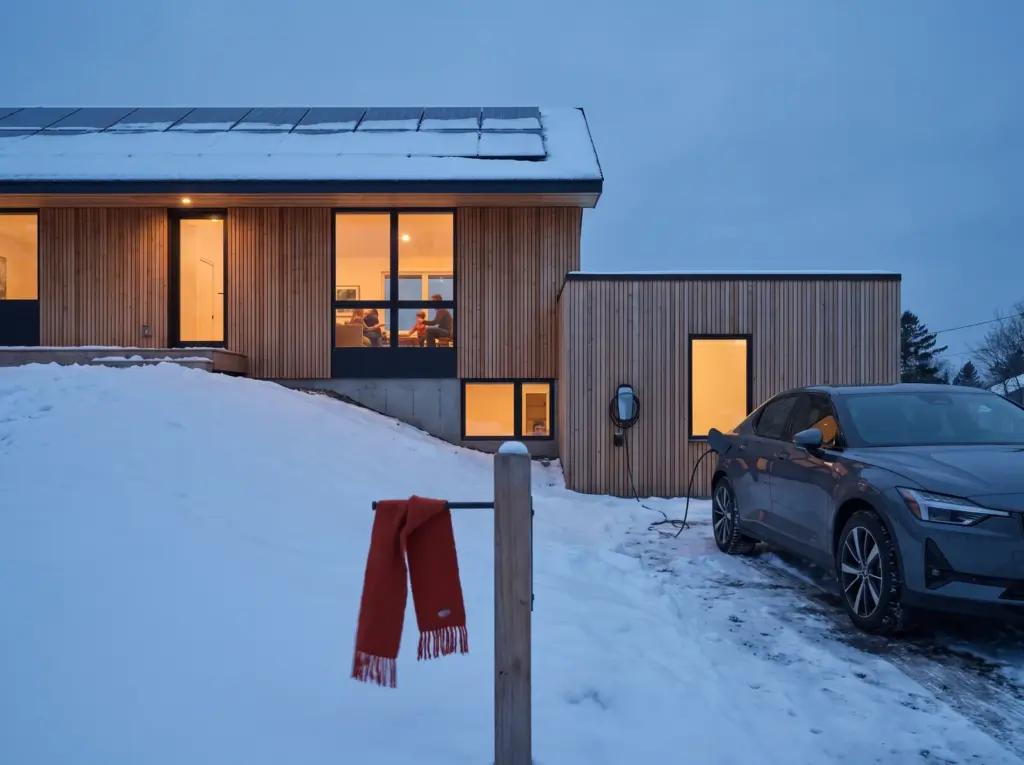
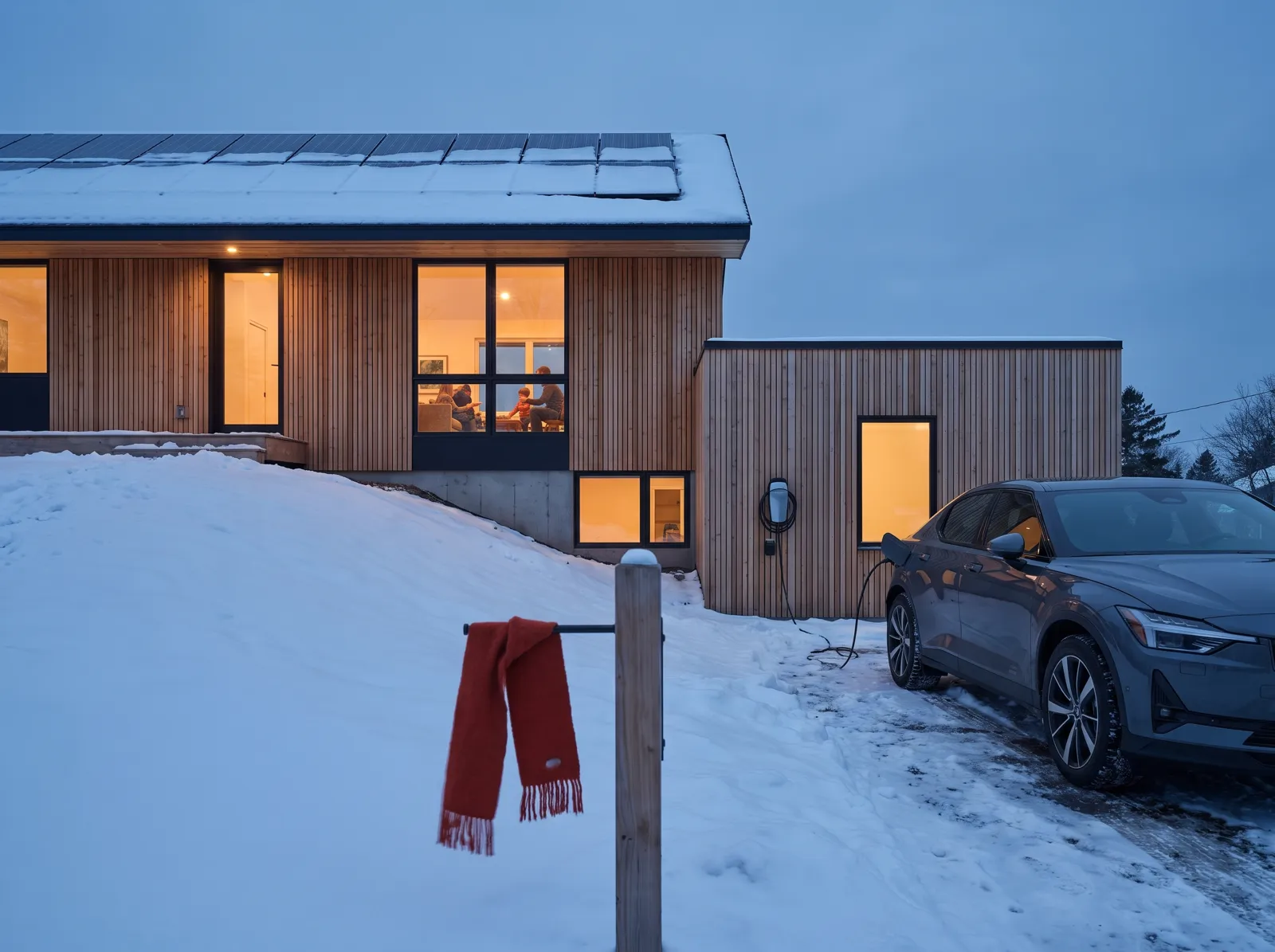
Gull Harbor runs its heat pump first and the furnace on the worst nights. The Halvorsen and Okafor homes show where a hybrid can lead.