
Free survey, Mon–Sat 7–20+1-555-0178No-heat line, every night24/7 · under 4 hServing the North ShoreBrightwater, MN

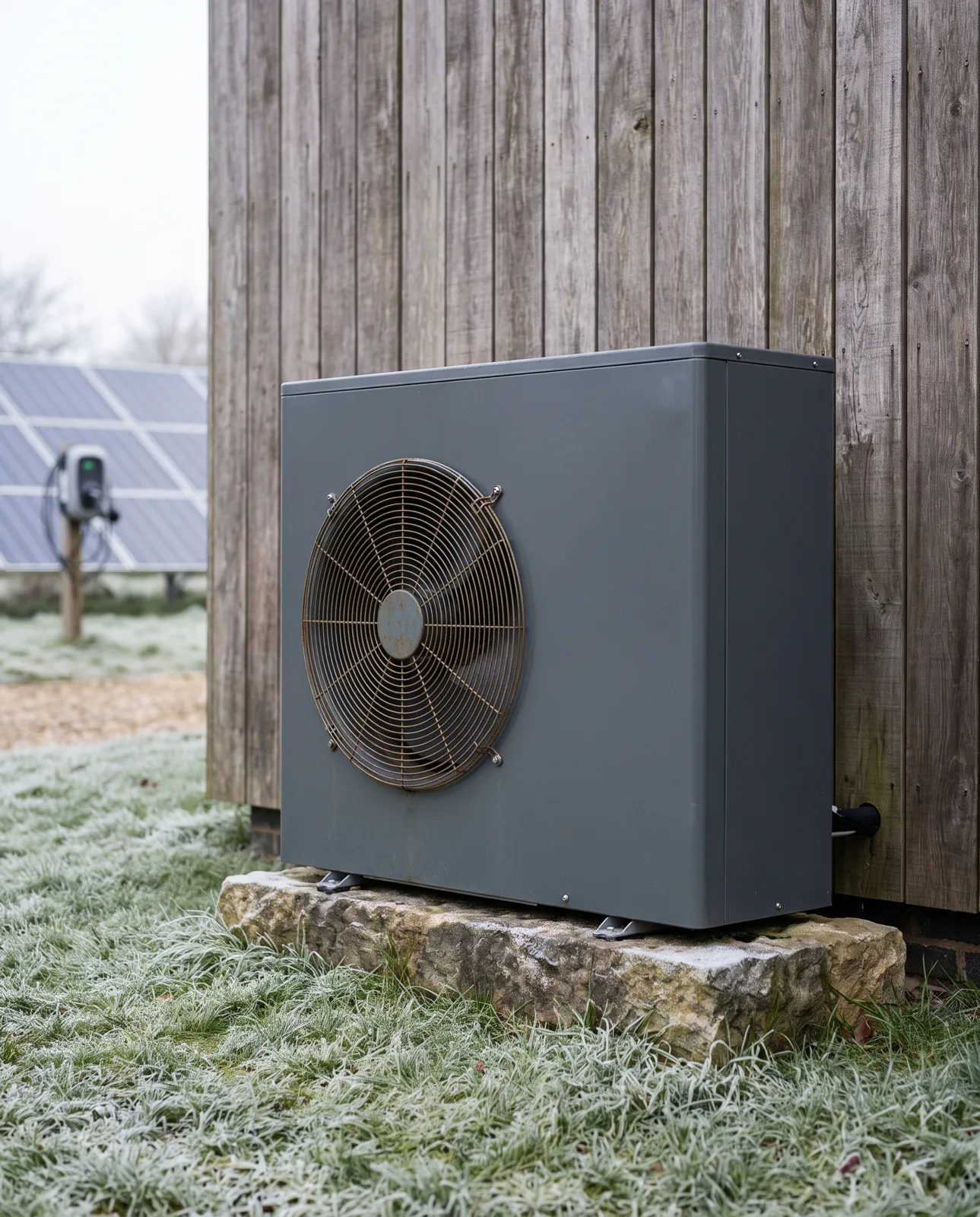
The question we hear at every kitchen table is the same: how can a machine pull heat out of air that is twenty-five below? The short answer is that −25 °C air is still far warmer than the refrigerant inside the outdoor coil, and heat always moves from warm to cold.
What makes a unit “cold-climate”
Older heat pumps gave up around −10 °C and handed the job to an electric strip. The units we fit are rated to −30 °C. They use a variable-speed compressor with vapour injection, which keeps the refrigerant moving fast enough to stay colder than the air even on the worst night.
Efficiency drops, but it never hits one
Across a whole season our installs average 3.2 units of heat for every unit of power. On the coldest night last winter the Brightwater units still ran at about 2.1 — twice as efficient as baseboard heat at the moment it mattered most.
On January 14 all 212 Hearthwell systems in town kept heating on their own. Average indoor temperature: 20.8 °C.
Sizing for the night that counts
- Room-by-room heat loss, not a rule of thumb per square foot.
- Design temperature for the coldest night in thirty years, not the average January.
- A small backup strip wired in anyway — last winter it ran an average of six hours per home.
If you want to see the numbers for your own house, the free heat-loss survey prints them room by room.