
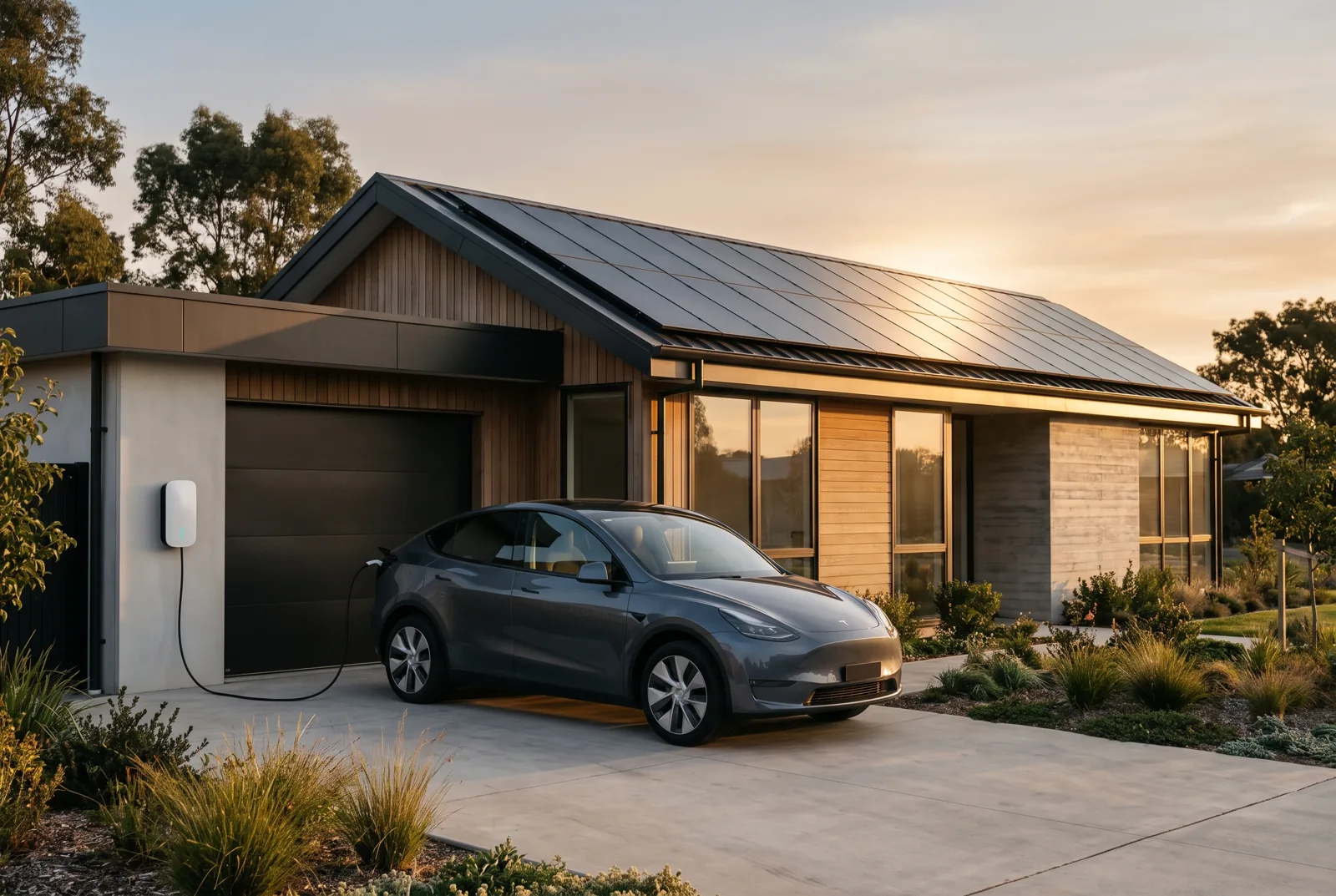
Half the homes we survey in Oakfield already have panels, and almost every owner asks the same thing: can the roof fill the car? It can, but not in the way most people picture it. Here is what a typical 6 kW array really does for a driver.
What a 6 kW roof makes
A south-west 6 kW array in our area makes about 8,600 kWh a year. A house without an EV uses roughly 60% of that by itself, mostly in the evening, so the spare midday power is closer to 3,400 kWh — and most of it arrives between 10:00 and 15:00, when many cars are at work.
Miles, not kilowatt-hours
At 3.5 miles per kWh, 3,400 spare kWh is about 11,900 miles. In practice our solar-match owners capture 40–60% of that, because the car has to be at home and plugged in while the sun is up. That is 4,800–7,100 miles a year driven on sunshine, with the rest filled on the overnight rate.
When the roof beats the night rate
- Weekend and work-from-home days: the roof wins every time. Exporting earns a few cents; keeping it in the car saves the 12¢ you would pay overnight.
- Weekdays with the car away: the night rate wins. The app simply waits for 00:00 and fills you by 07:00.
- Winter: the array makes a third of its summer output. Plan on the overnight rate from November to February.
The blended cost
Mixing roof and off-peak power, our solar-match owners average about 4¢ per kWh across the year — the number on our cost comparison. That is $11 for 1,000 miles, against $140 in a 30 mpg petrol car.
What you need
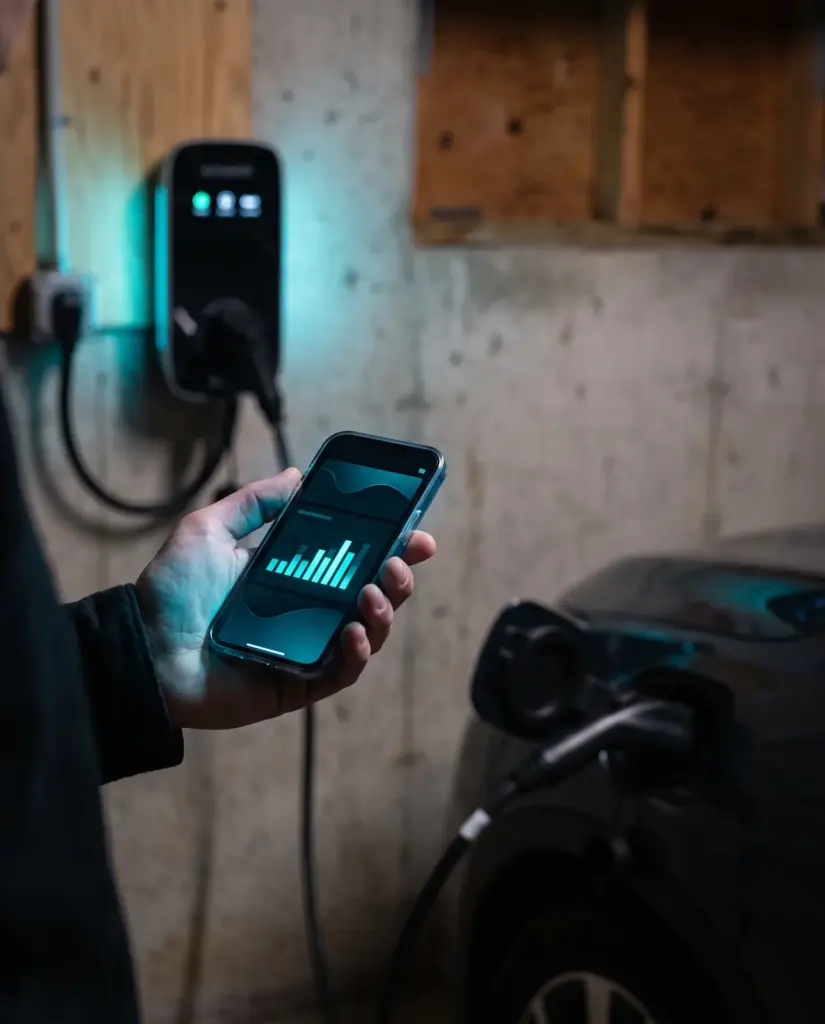
Any of our 7 kW home chargers with solar-match switched on in the app, a CT clamp on your solar feed (fitted on install day, no extra visit), and a ready-by time so the night rate covers whatever the sun did not.