

“Can my roof charge my car?” is now the second question we hear after “What does it cost?”. The answer is usually yes, but how much of the driving it covers depends on when the car is home.
How much energy a car really uses
A typical electric SUV covers around three miles per kilowatt-hour. If you drive 35 miles a day, that is roughly 12 kWh, or about 4,300 kWh a year. In the Sunvale Valley, each kilowatt of panels makes around 1,600 kWh a year, so that driving needs close to 2.7 kW of extra panels — six or seven modules.
“The roof can charge the car. The real question is whether the car is home at noon.”
Jenna Holt, Lead System Designer
The timing problem
Panels make power at midday. Most cars are parked at work at midday. There are three ways around that:
- Charge at home on work-from-home days and weekends, straight from the roof.
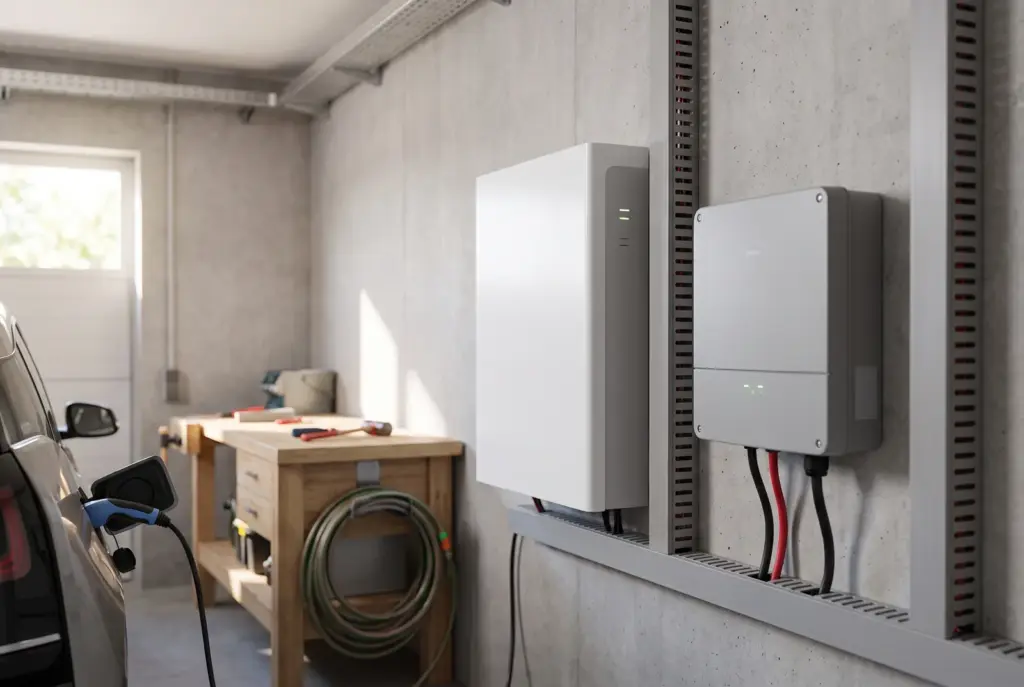
- Store the midday surplus in a battery and move it into the car in the evening — less efficient, but useful on time-of-use plans.
- Export at midday and charge overnight on a cheap off-peak rate, letting the bill balance out.
What a smart charger changes
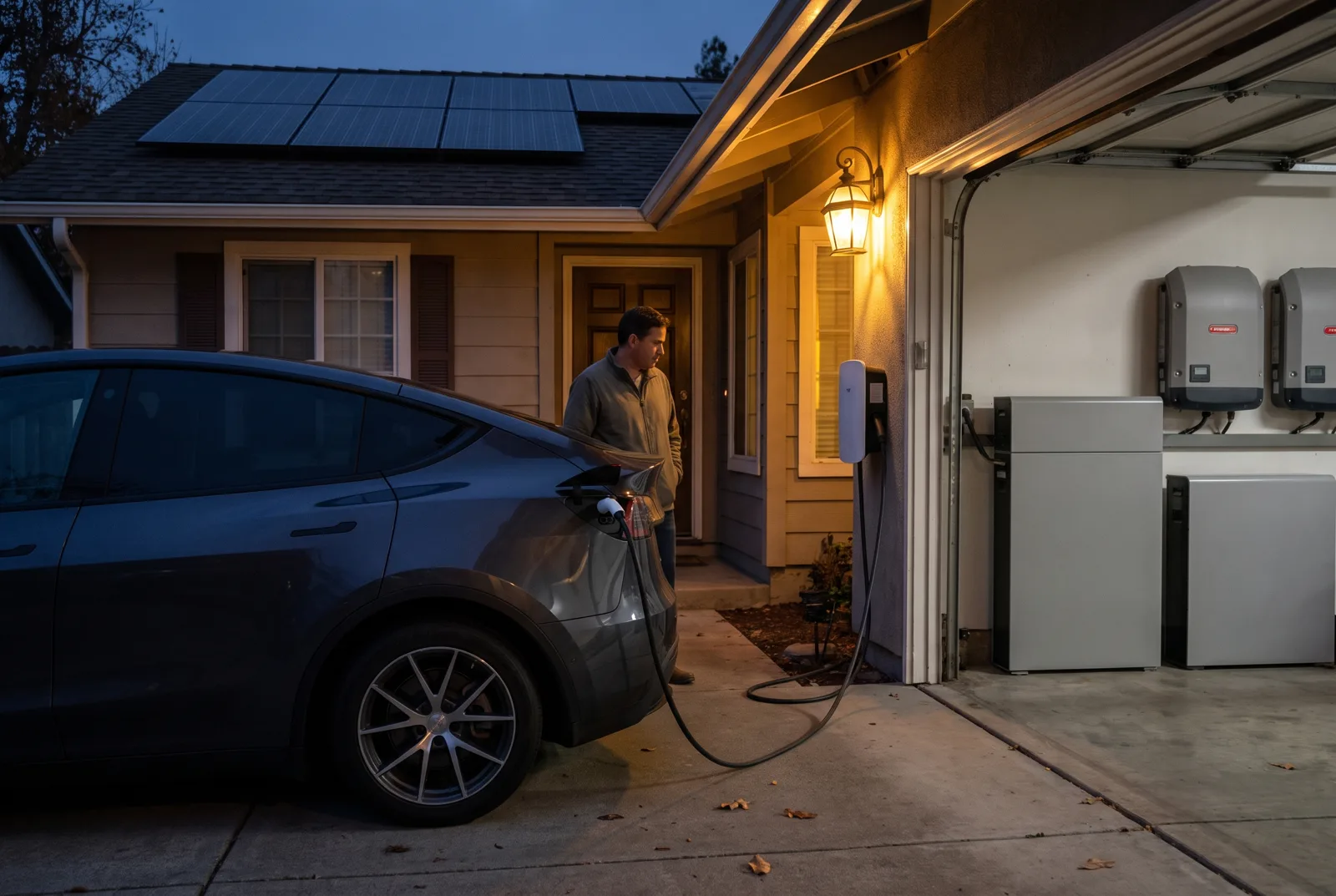
A solar-aware wall charger watches the export meter and only sends the car what the roof is making. On a sunny Saturday it can fill a battery from 30% to 80% on sunshine alone. Paired with a 7.6 kW or larger array, our customers who work from home two days a week cover between 60% and 80% of their driving from the roof.
Installation details that matter
- A 48-amp charger adds up to 11.5 kW and about 40 miles of range an hour.
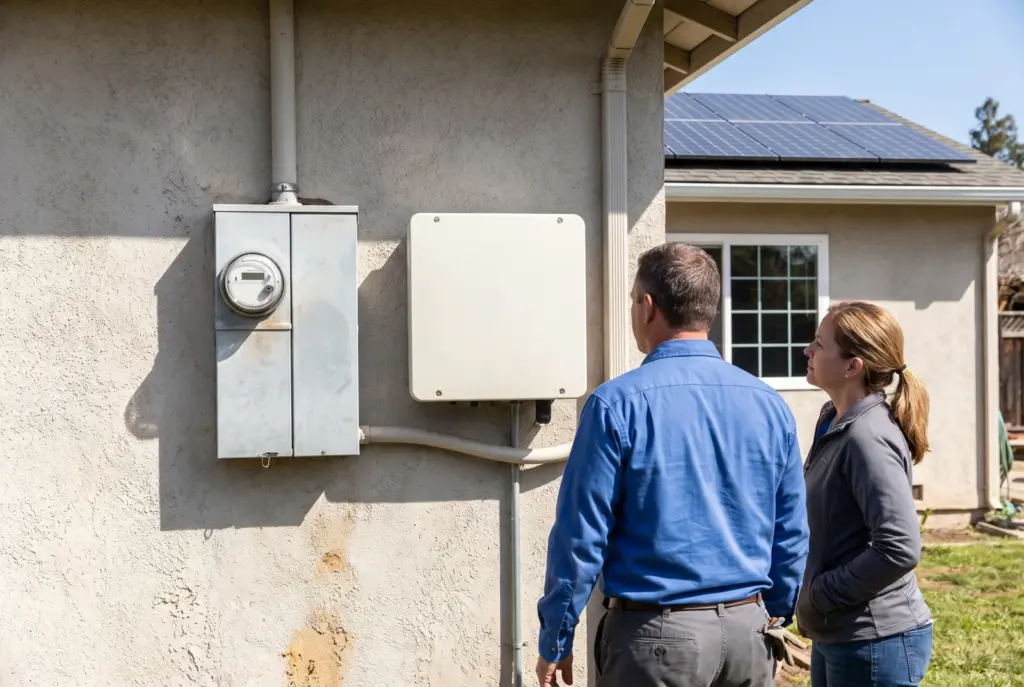
- Many older homes need a panel upgrade or a load-management device first; we check this on the survey.
- Wiring the charger on the same visit as the panels saves a second permit and a second inspection.
A year of numbers from one driveway
One Marlow family drove 13,800 miles last year in two cars. With a 9.2 kWp system, a 13.5 kWh battery and a smart charger, 71% of those miles came from their own roof. Their combined fuel and electricity spend dropped from $5,900 to $1,450.
Battery or no battery?
A home battery is not required to charge from solar, and for a car that is home most days it rarely pays for itself on charging alone. It earns its place when the car is away at midday and your plan charges more in the evening — or when you also want backup during outages.
Thinking about your next car? Tell us your daily mileage and when the car is usually home, and we will show how many extra panels it needs — and whether a charger alone is enough for now.