



Every spring someone asks us whether solar “still makes sense now the credit is gone.” Short answer: for most Sunvale homes, yes — but the money comes from different places than it did in 2025, and a proposal that hasn’t caught up will show you the wrong payback year.
What changed on January 1
The 30% residential clean-energy credit ended for systems paid for after December 31, 2025. If you buy panels outright this year, there is no federal line on your tax return for them.
What did not end is the business version of the credit. Lease and PPA providers can still claim it on the systems they own — which is why lease rates dropped this year while cash prices didn’t.
“The credit didn’t disappear. It moved from your tax return into the battery rebate and the lease rate.”
Jenna Holt, Lead System Designer
The three layers, in the order they pay
1. The federal credit — now only through a lease or PPA
If you lease, the provider claims the credit and passes part of it to you as a lower fixed rate. Ours is 18.5¢ per kWh for 2026 contracts, against an evening grid price near 31¢.
2. The state storage rebate
Approved home batteries earn $150 per kWh of capacity, capped at $3,000 a home. It is paid after the utility inspection, usually six to ten weeks after switch-on. We file it for you.
Storage rebate, per kWh
$150
On a 13.5 kWh battery
$2,025
Cap per home
$3,000
3. Net metering
Midday power you send to the grid now earns about 8¢ per kWh. Evening power you buy back costs nearly four times that. The gap is the whole case for a battery: store the noon surplus, spend it at seven.
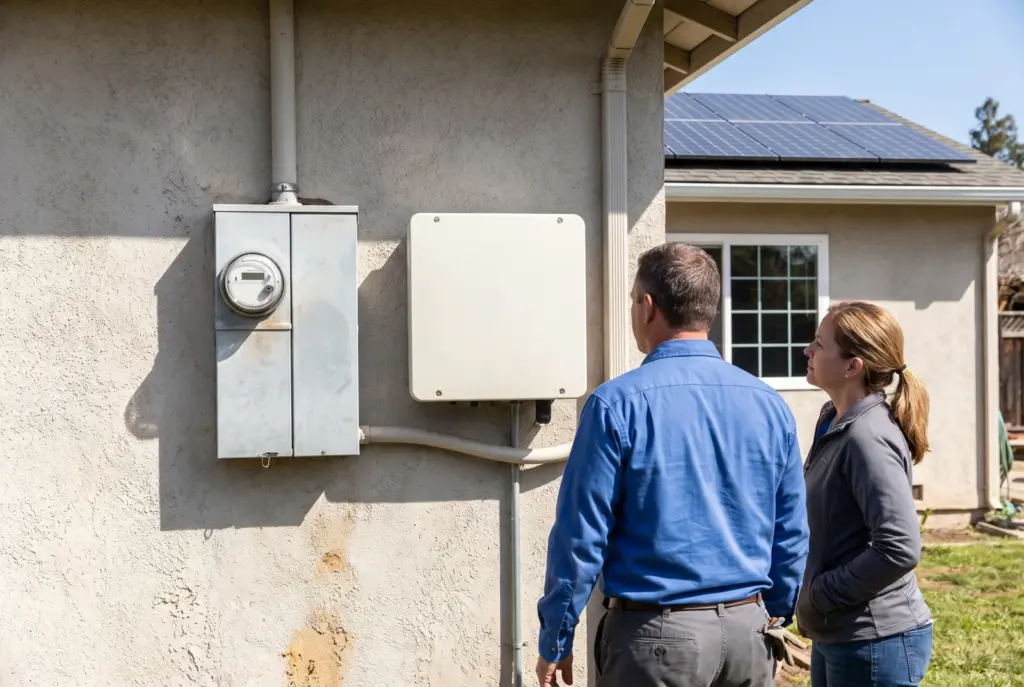
What it adds up to on one roof
Take a medium Sunvale home: 7.6 kW of panels and a 13.5 kWh battery. Bought outright, the rebate trims $2,025 off the price and the battery moves about 2,400 kWh a year from 8¢ export to 31¢ self-use. Payback lands near year seven — within months of what the old credit gave in 2025.
A checklist before you sign
- Ask for the price with and without the battery, both before incentives.
- Check that the storage rebate is shown as a separate line, with who files it.
- Look for the export rate the payback assumes — 8¢ today, not the old retail credit.
- Make sure the payback year uses your twelve months of bills, not a state average.
- Get the workmanship warranty in writing: ten years is normal, five is not.
Incentives change every year; the maths behind a good proposal doesn’t. If a quote can’t show you each line on its own, ask for one that does — or send us your bill and we’ll draw it up.
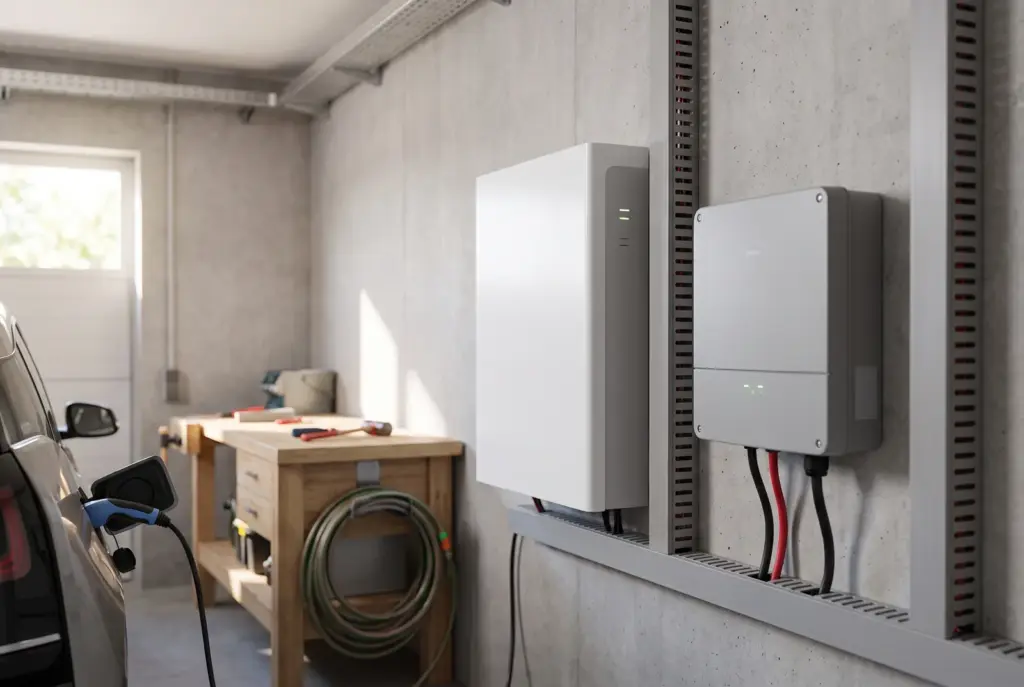
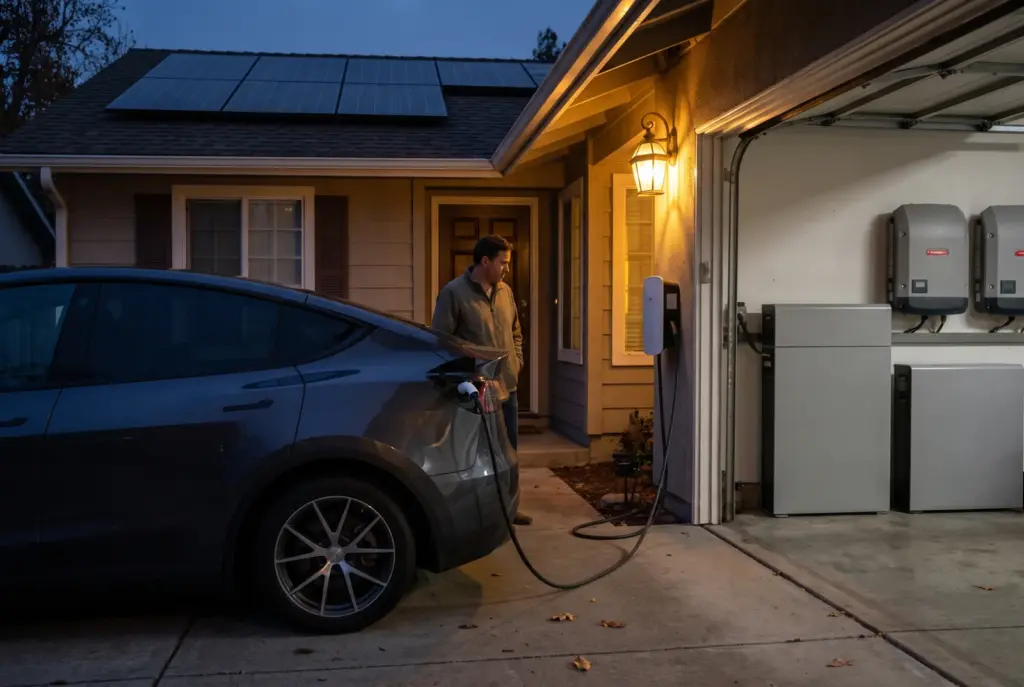
We signed in November and got the credit, so this is a relief to read for my sister. Does the storage rebate apply if the battery goes in a year after the panels?
It does, Daniel — the rebate follows the battery, not the panels. The only condition is that it is charged from the array, which any hybrid inverter we fit already handles.