We started with one wind mast on a Calder Ridge sheep farm and a promise to the families around it: they would own part of whatever we built. Fifteen years on, four farms turn, 2,340 neighbours hold shares and the site office is still in Larch Valley.
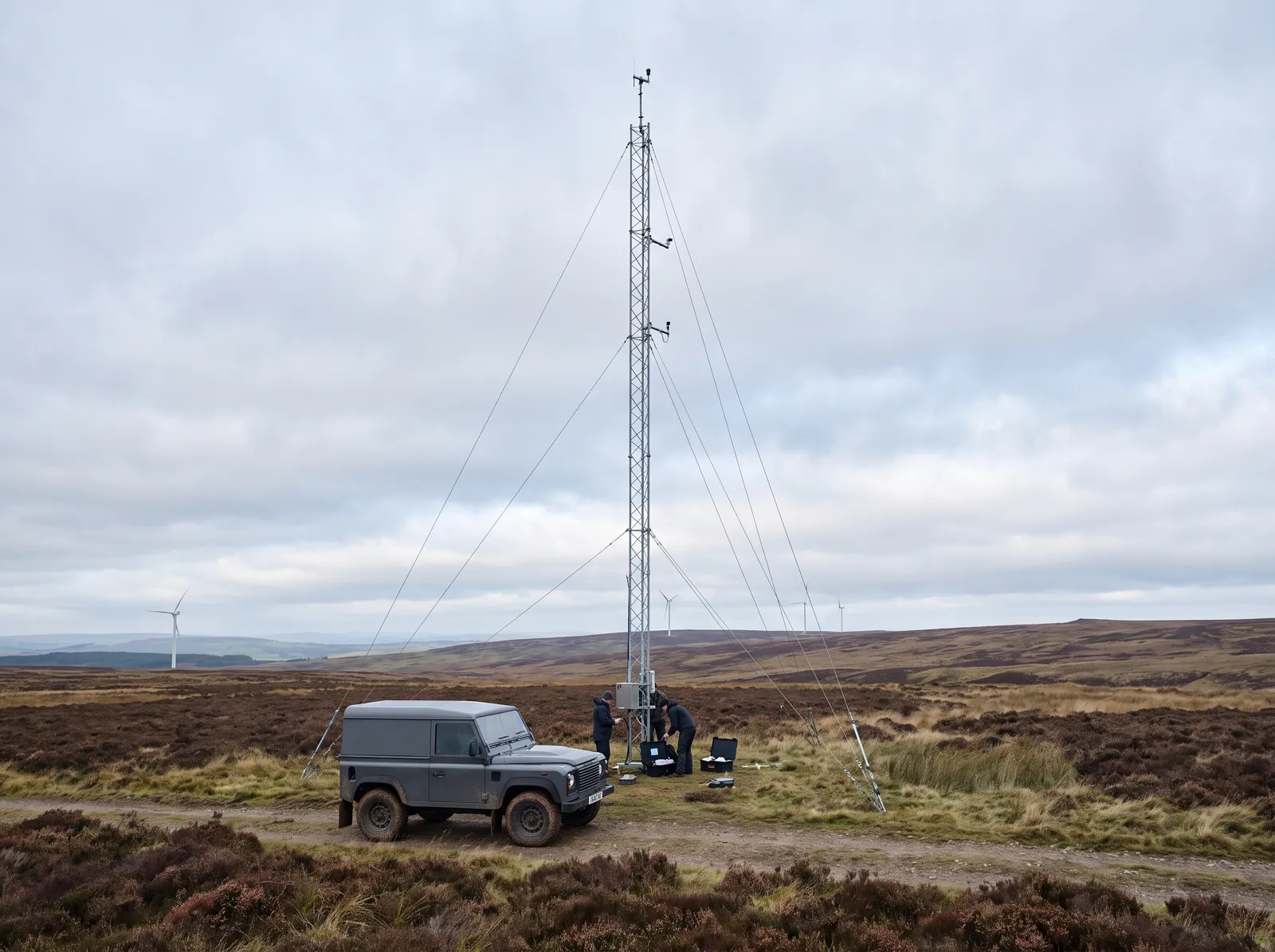
In 2011 Callum Reid put up a wind mast on a Calder Ridge sheep farm and spent two winters at kitchen tables explaining what might follow. The question he heard most was not about noise or views. It was “what’s in it for us?”
So the first farm was built the other way round: a share offer for neighbours before the first turbine, a fund paid per megawatt from year one and a site office anyone can walk into. Calder Ridge opened in 2016, and every farm since has followed the same order.
We grew one farm at a time, and only after the last one had paid its first fund cheque. Every step on this line began with a drop-in day, not a press release.
Callum Reid starts measuring wind on a Calder Ridge farm — and knocking on doors.
12 turbines and our first community share offer, filled by neighbours in nine weeks.
15 turbines on the moor; the local funds pass $1M paid out.
Our highest site, at 610 m — nine turbines above the Owen valley.
13 turbines on working farmland; sheep still graze to the tower doors.
Construction starts; all 20 foundations are poured by October.
These are not slogans. Each one is a condition or a signed agreement, checked by the county and reported at our AGM. If you think we have missed one, the site office wants to hear it.
Every figure comes from metered output, the fund accounts and the share register — the same numbers members see at the AGM each spring. Updated each January.
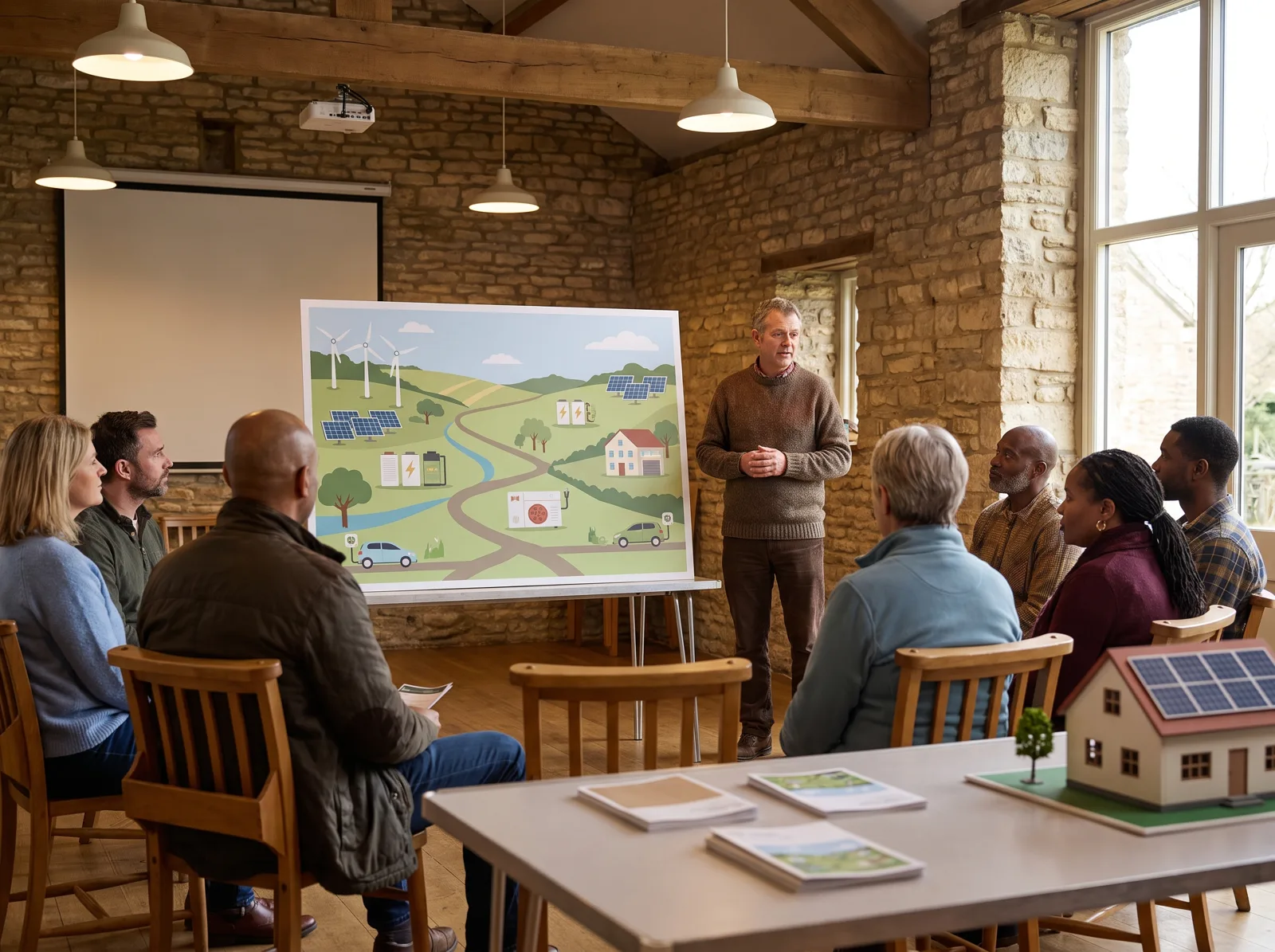
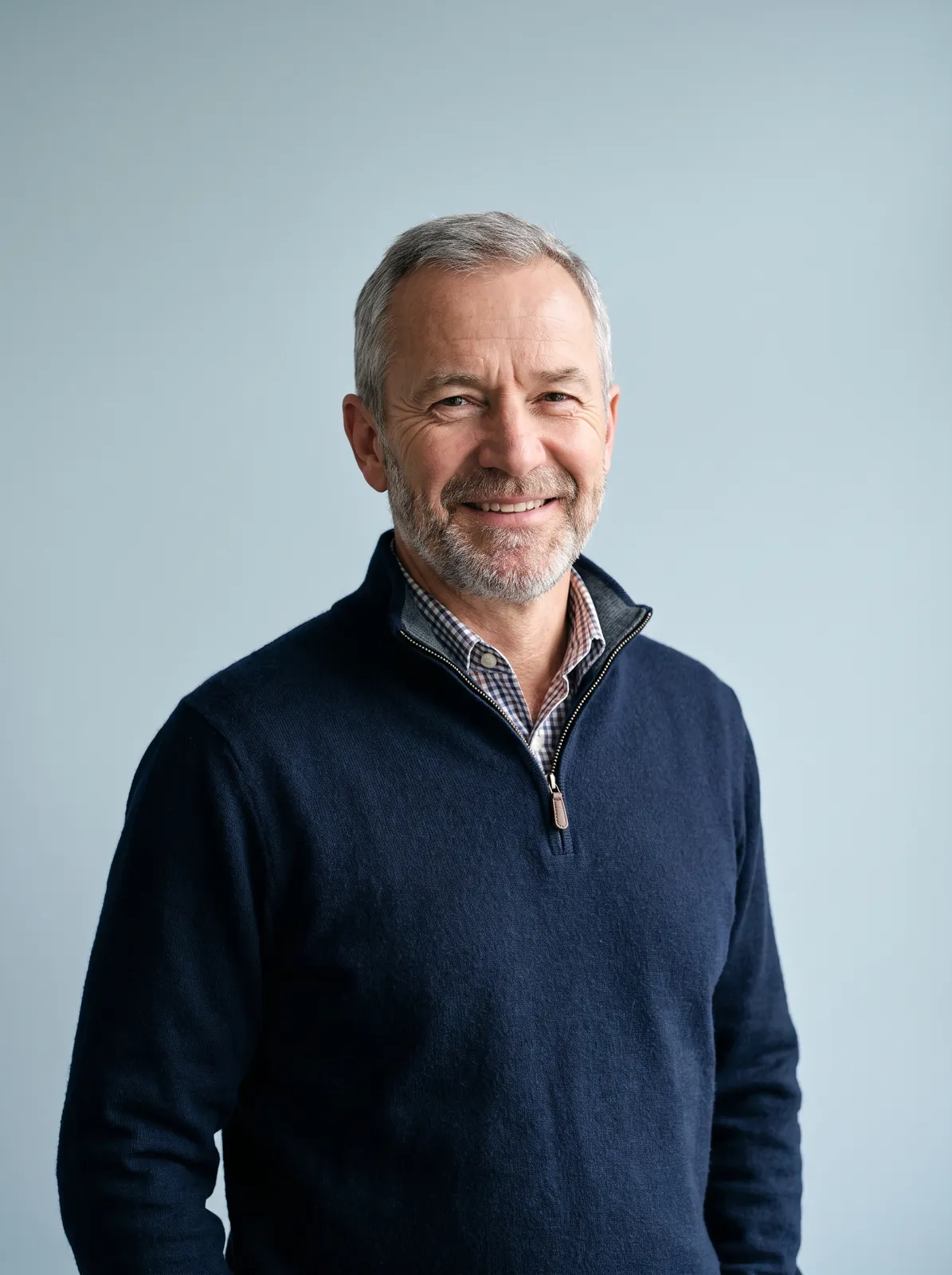
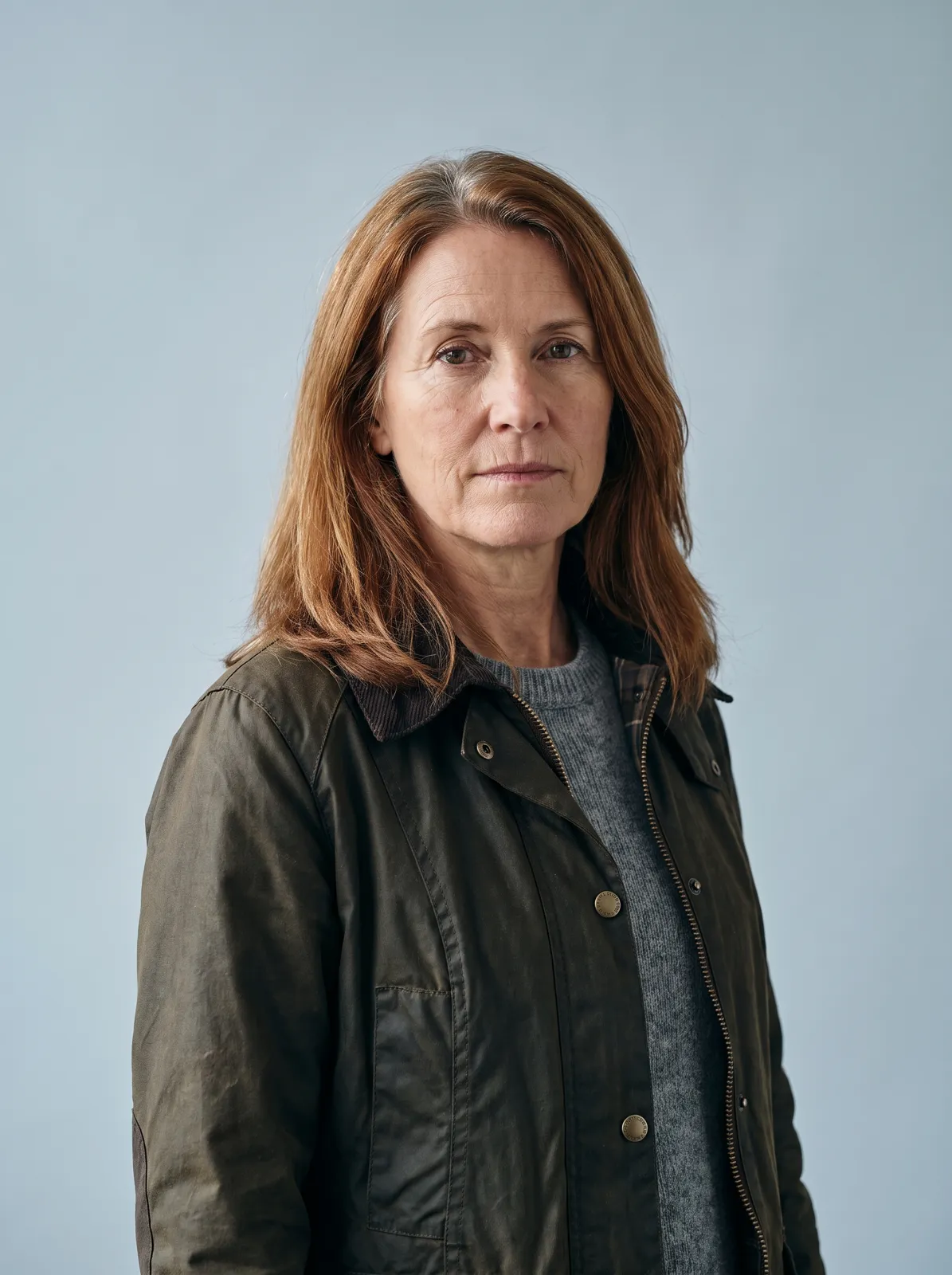
All four stood behind a trestle table at a drop-in day this year. Two of them can see a Westerly turbine from their kitchen window.
Every phone line rings in the three counties. The field bases keep a crew and spares within an hour of every turbine we run, day and night.