
We plan, build and run onshore wind on the high ground of three counties — and offer every neighbour within 15 miles the chance to own part of it.
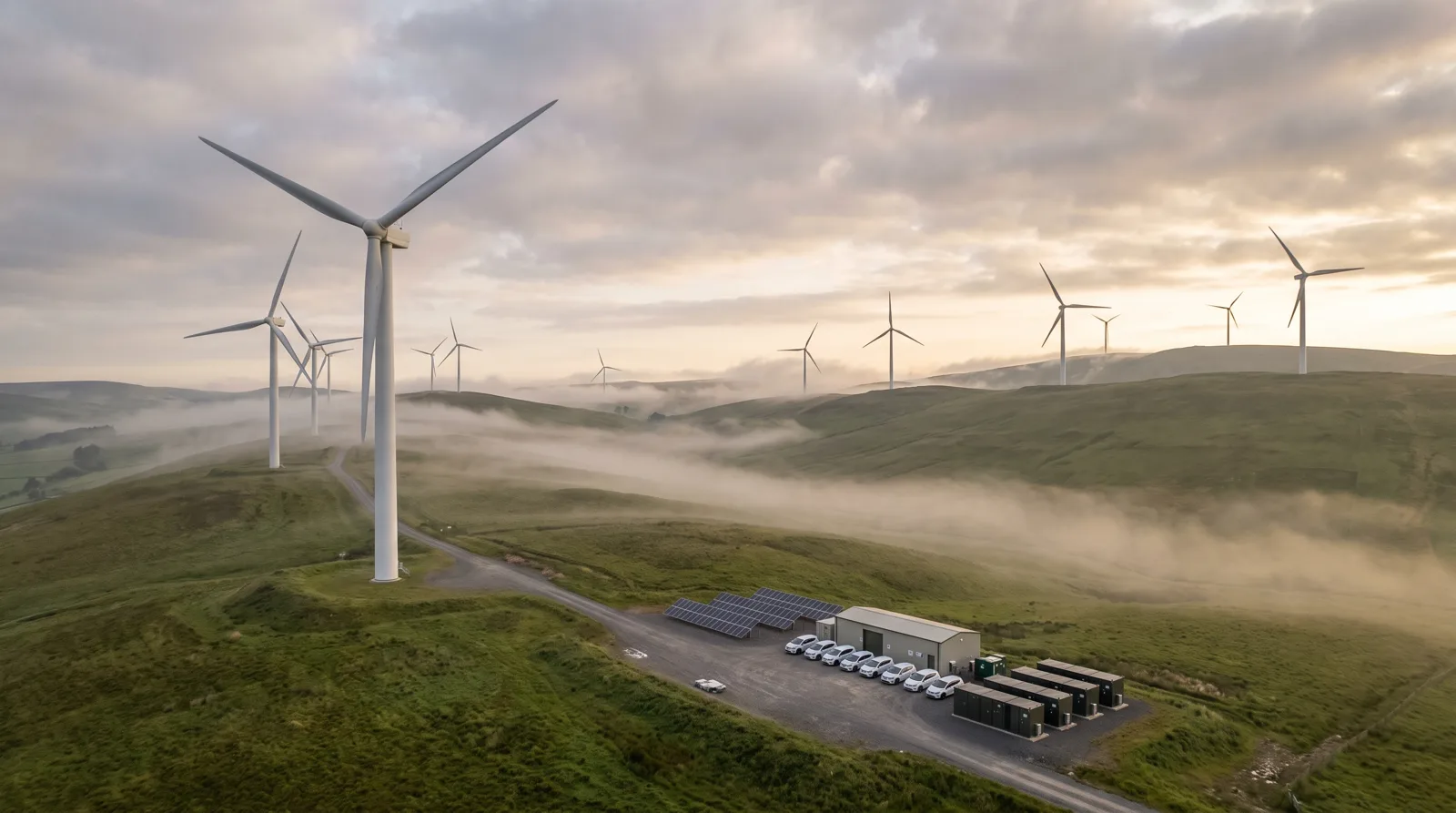
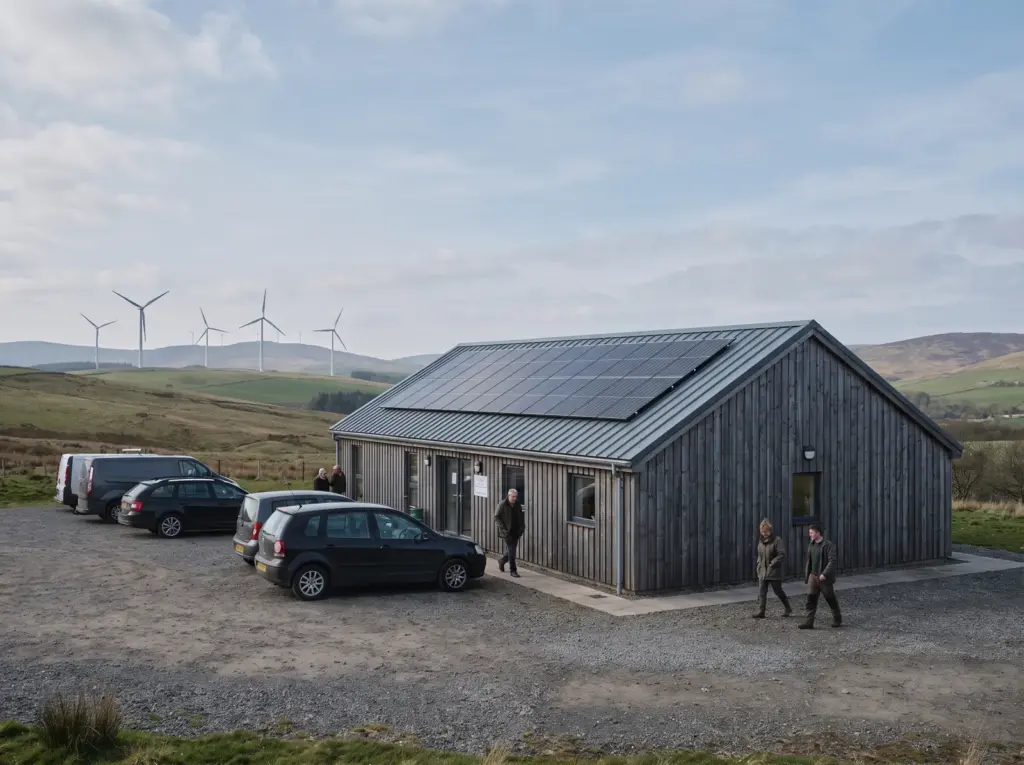
Four farms turn today. Four more are moving through studies, permits and construction — each with its own drop-in days, share offer and local fund from the first megawatt.
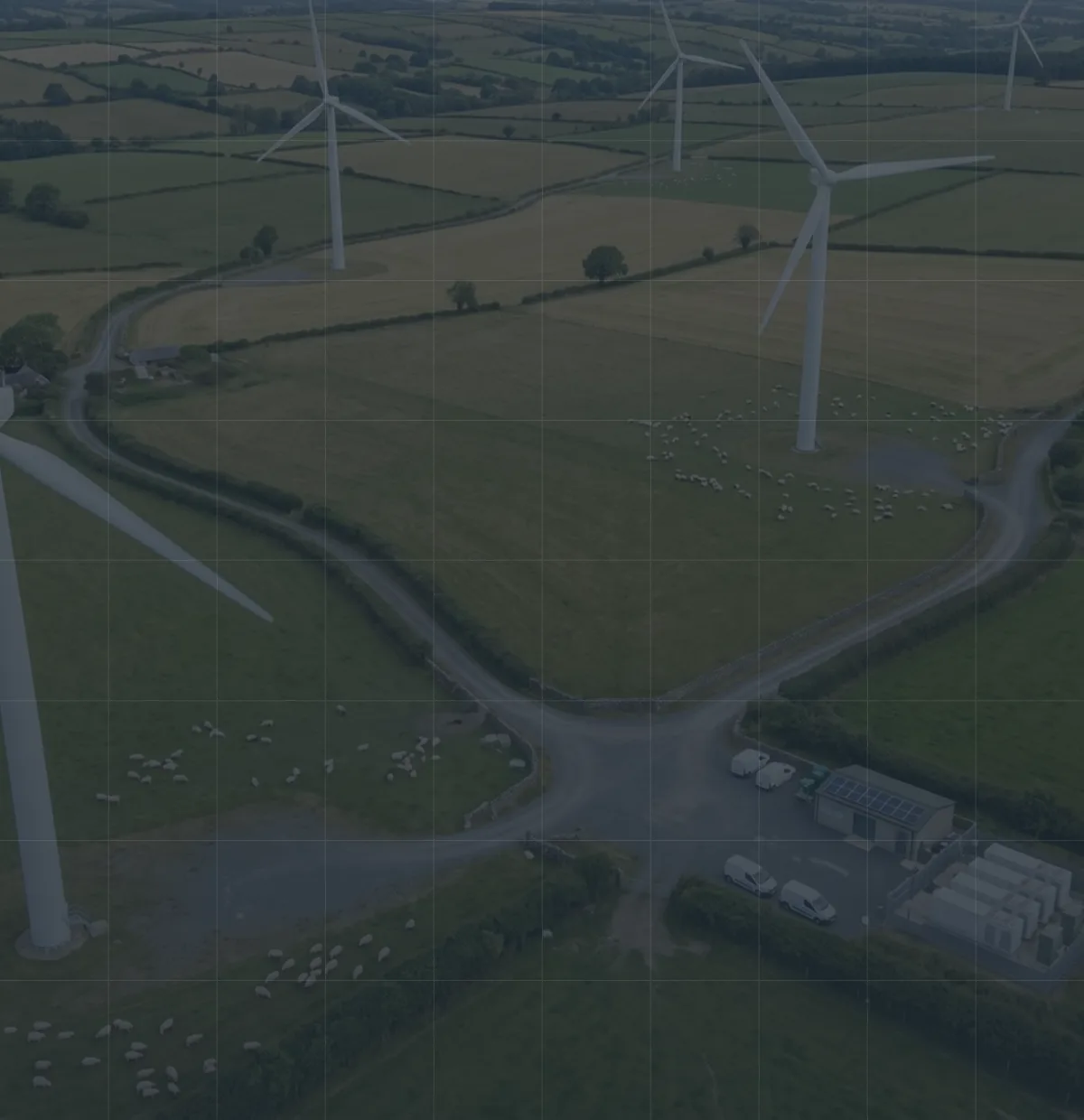
Up to a fifth of every farm we build is offered to the people around it first. Shares pay interest from the electricity the turbines sell, for the life of the project.
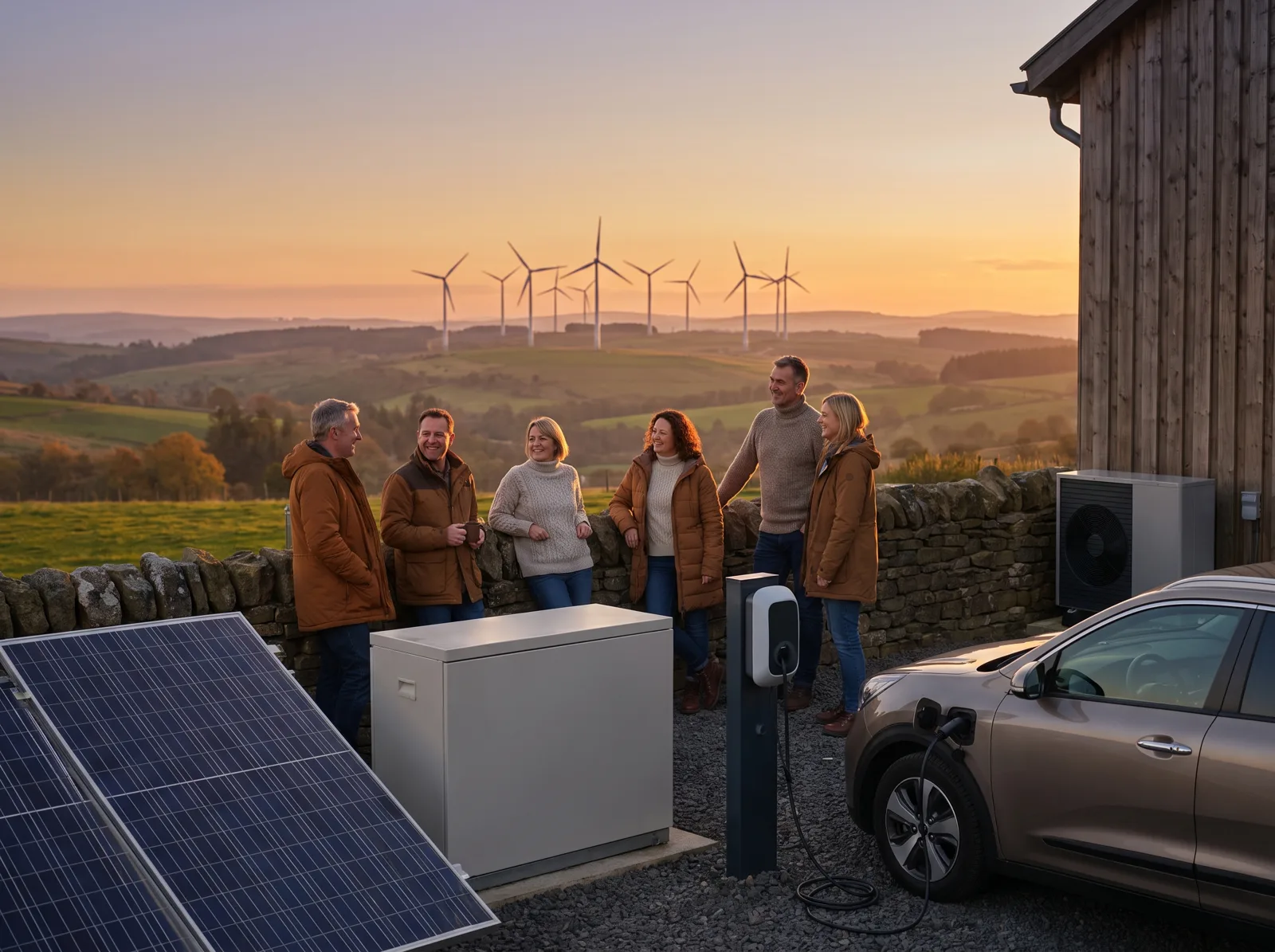
Each farm pays into a fund run by a panel of seven — five of them residents. They choose the grants; we publish every cheque.
Grants from $500 to $40,000 for groups, schools and small non-profits in the three counties. Decisions within six weeks.
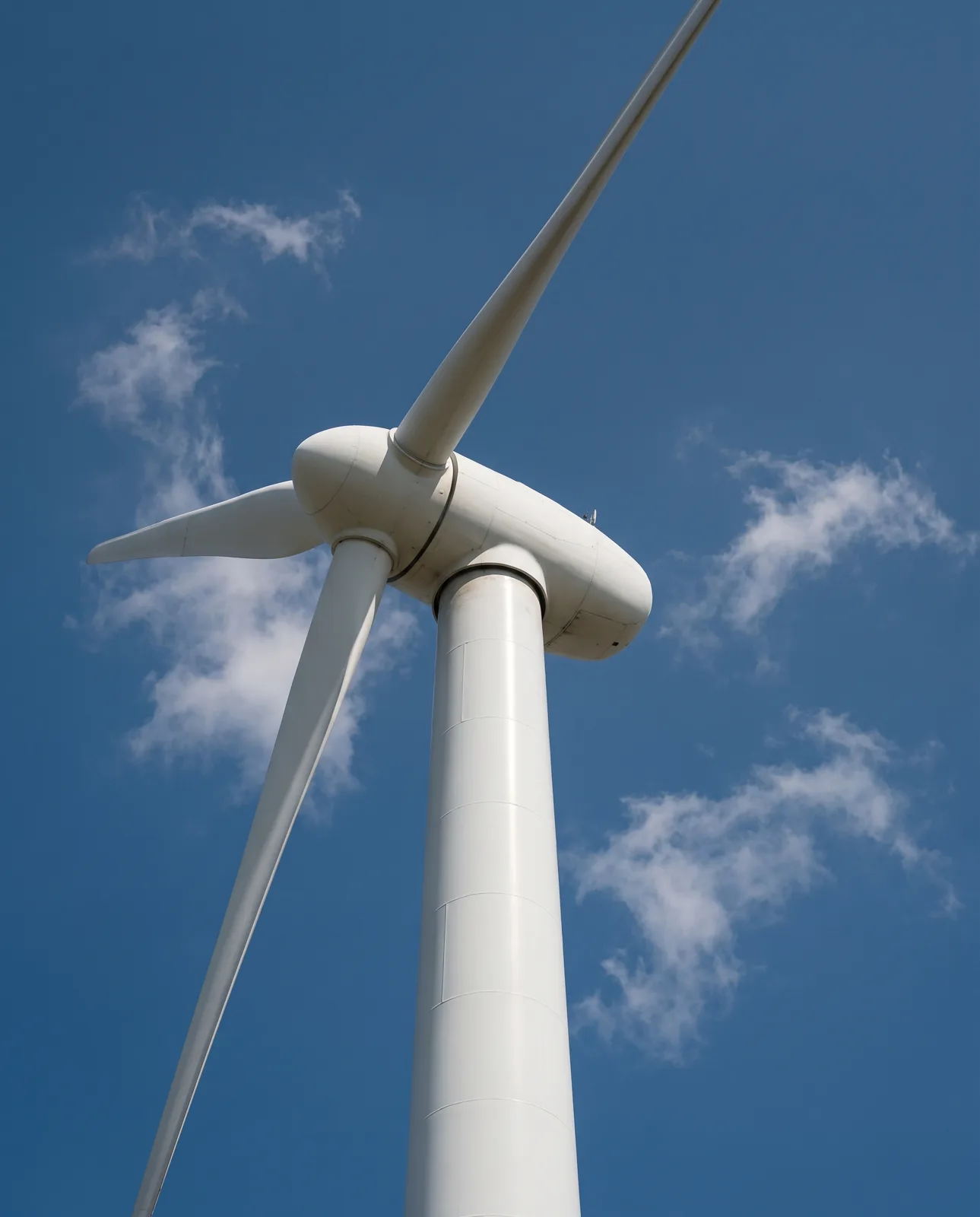
Twenty identical turbines, each chosen for slow-turning blades at low wind — more energy from the same ridge, and less sound at the farmhouse.
Every study for Hartfell Edge is published in full — methods, raw counts and what we changed because of them.
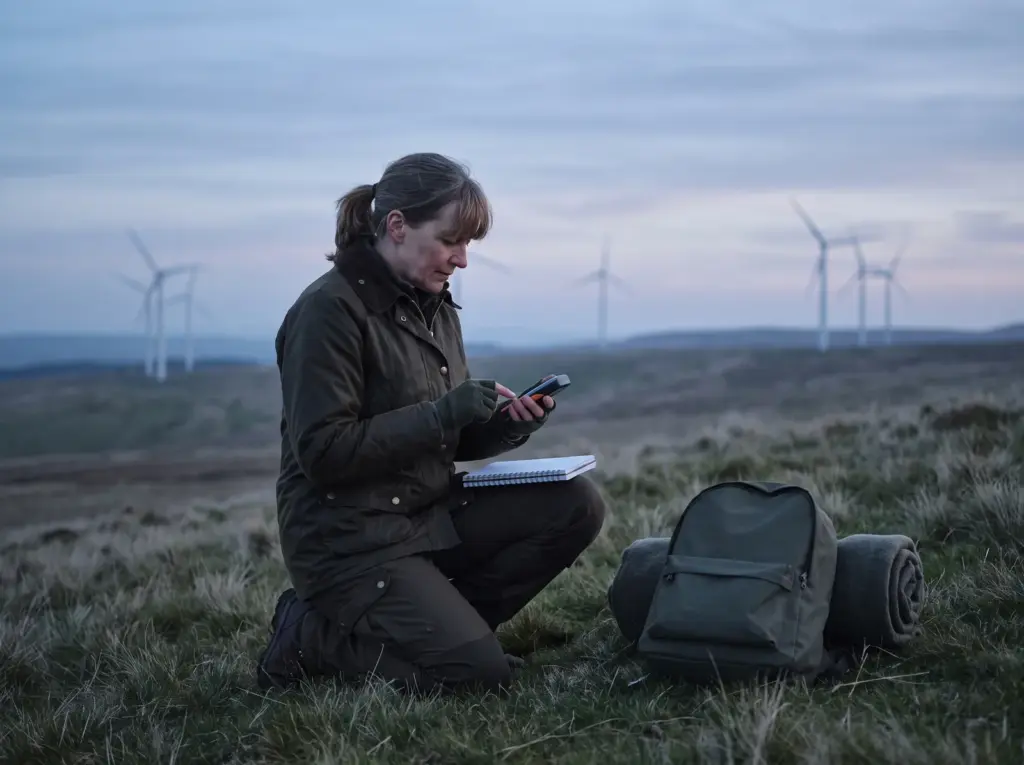
Vantage-point counts and bat radar. Two turbines moved 140 m off a dusk flight line; blades slow on warm evenings, Apr–Oct.
Modelled at every home within 1.5 miles, then checked with meters at eight of them before and after.
Light sensors stop the blades whenever a shadow would cross a window. Modelled hours at homes: zero.
Photomontages from each viewpoint the town chose — porches, the school yard and the county road.
Wind farms are slow on purpose. Most of the time goes into listening — and into the studies that answer what people ask.
A 112 m mast logs speed and direction every ten minutes.
14 events, 1,600 visitors, 310 written questions.
Birds, bats, noise, water, landscape — 24 months.
County vote 6–1, with 41 conditions we agreed to.
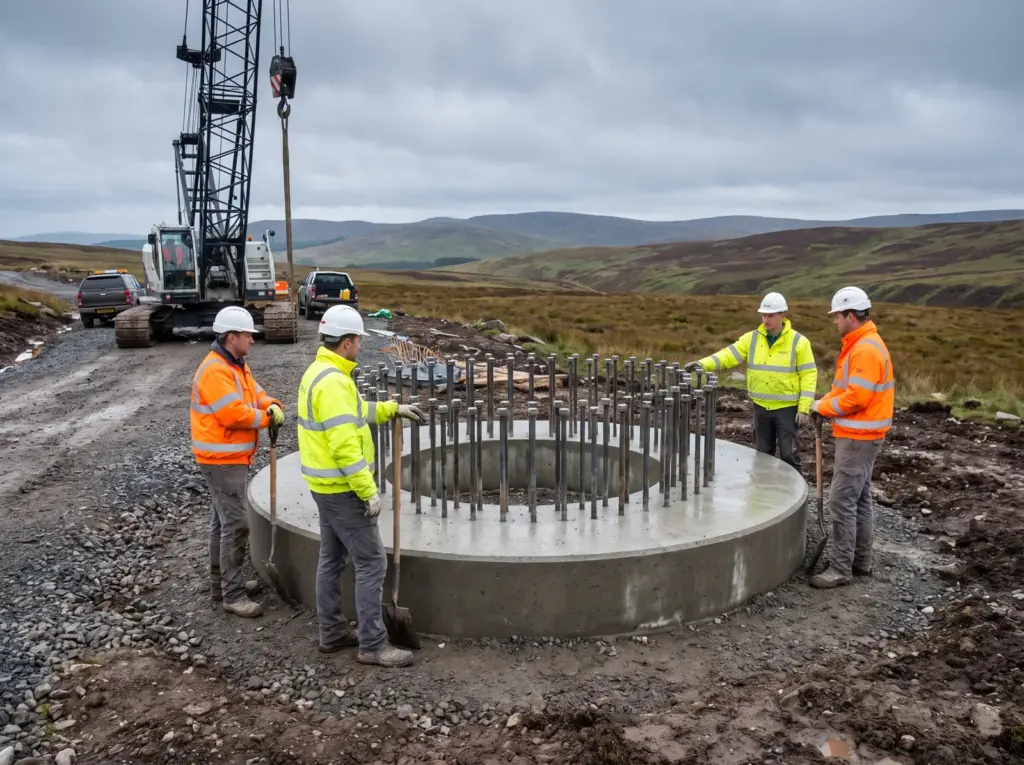
All 20 foundations poured by October 2026.
Blades arrive by night convoy, two a week.
Shareholders’ first interest due spring 2028.
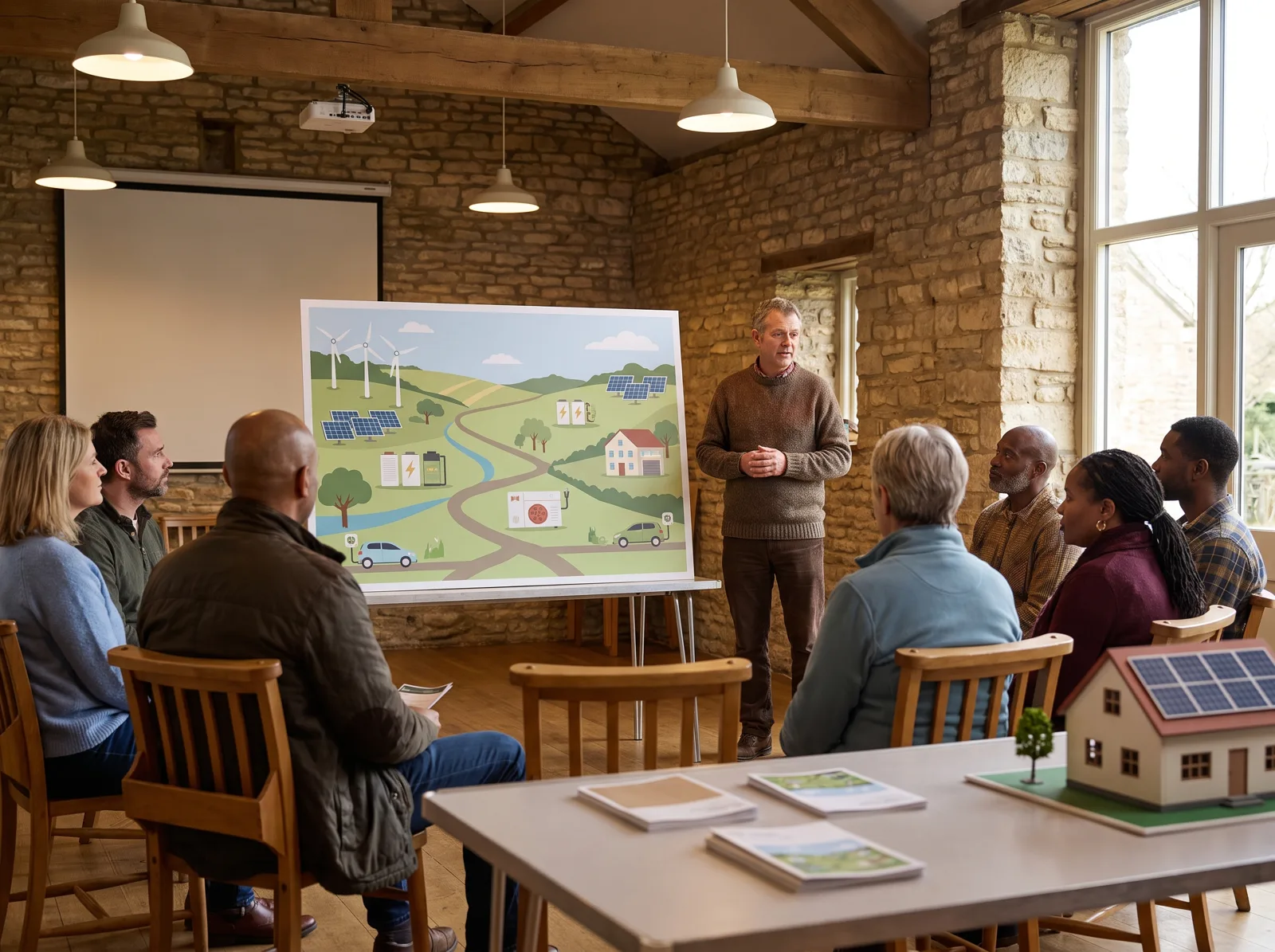
Bring your questions about shares, sound, roads or the fund. The engineers, the ecologist and the share-offer team will all be there.