Healthcare security and compliance

§1Method
Each unit agrees its window with us, clinical engineering signs off the device list, and your privacy officer sees the plan first. Here is the year, set out in advance.
§2Days 1 to 30
Days 1 to 7: Scope call, business associate agreement, read of your last risk analysis
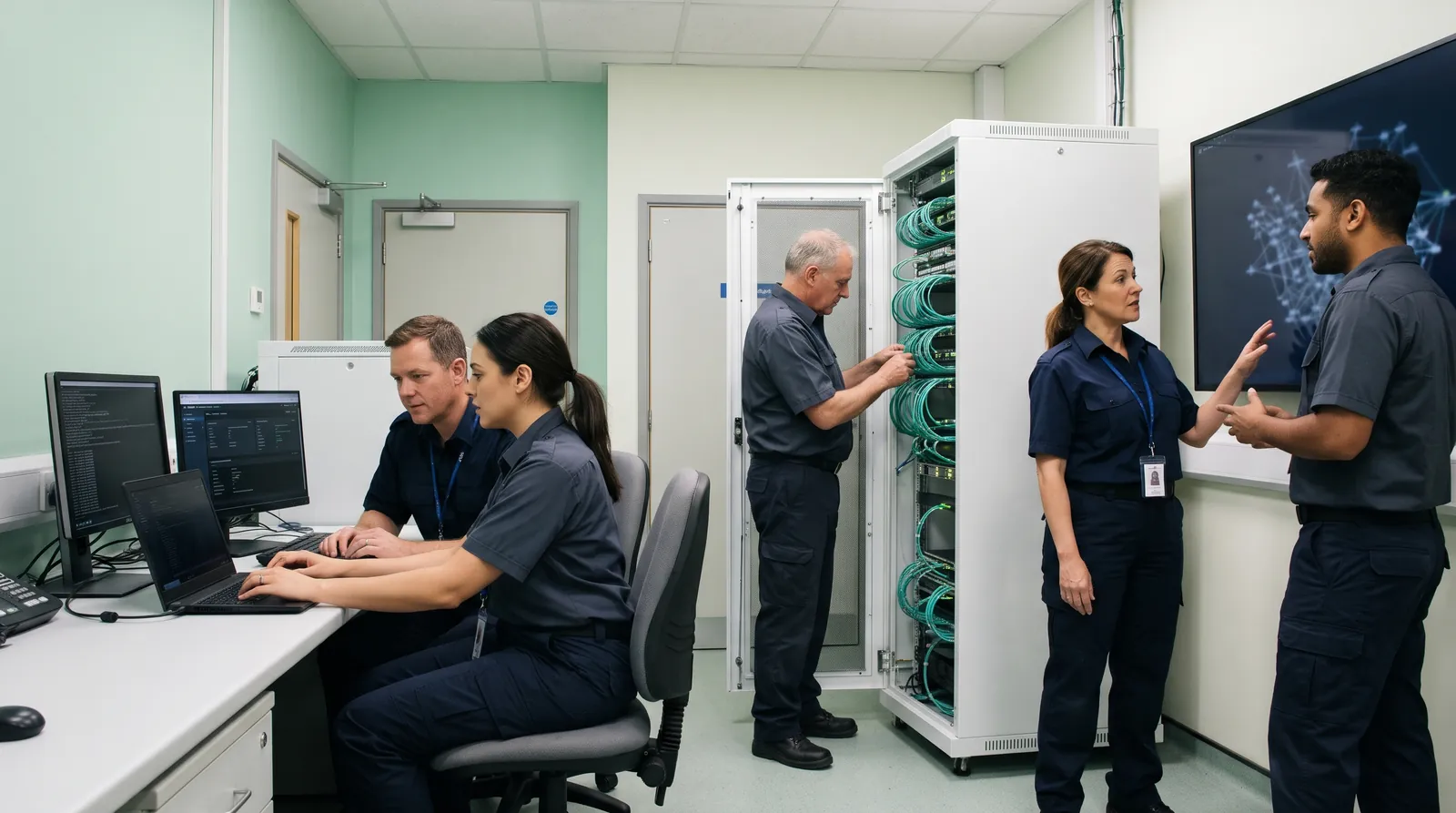
Days 8 to 14: Interviews with privacy, IT, clinical engineering and nurse managers
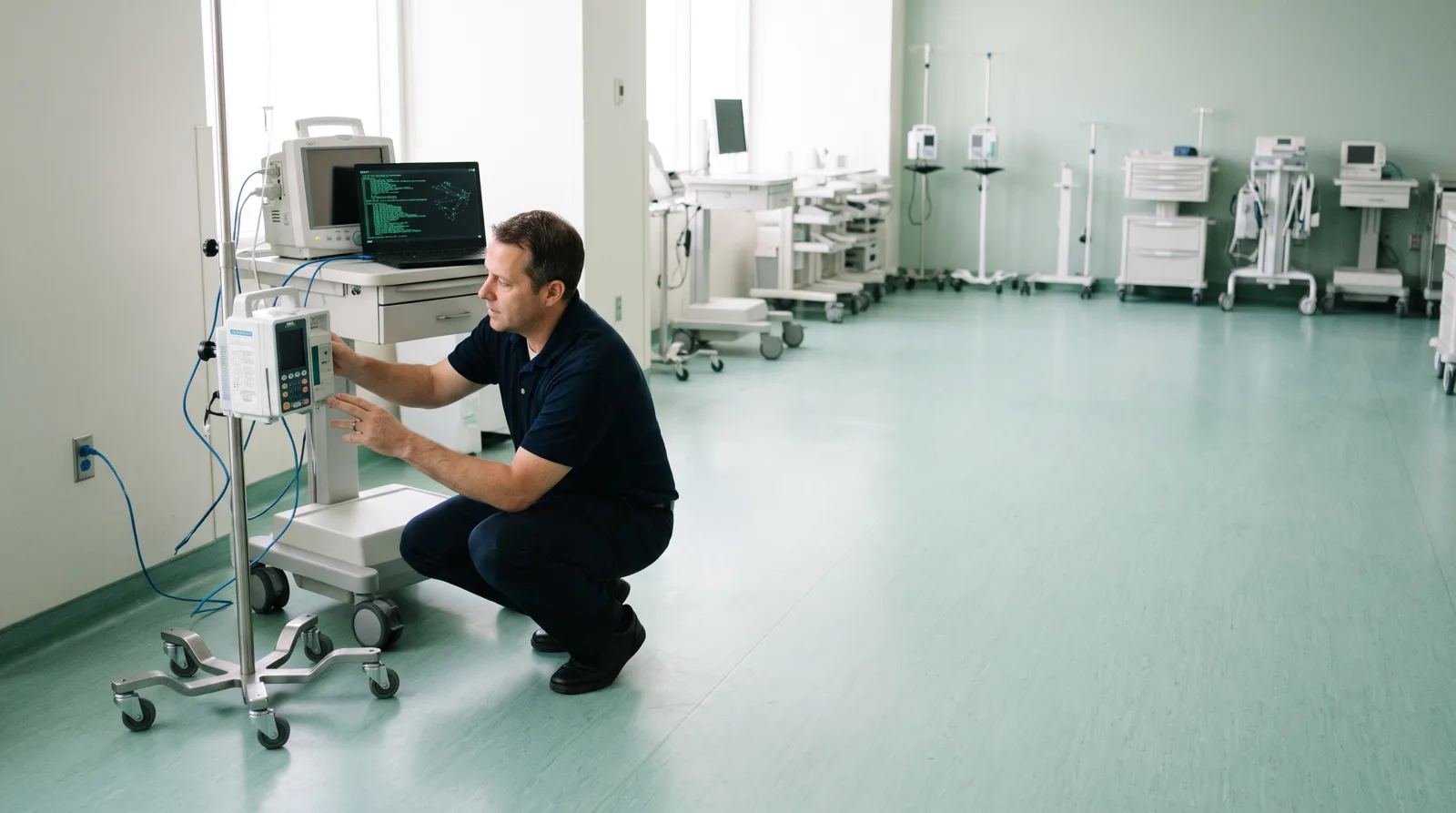
Days 15 to 21: Site walks and a device count with clinical engineering, read-only
Days 22 to 30: Walk through the first-cut register with your privacy officer
Days 1 to 7: Contracts and one contact
Days 8 to 14: An hour from each owner
Days 15 to 21: An escort on each unit and the device list
Days 22 to 30: One meeting with leadership
Days 1 to 7: Scope note and a signed agreement
Days 8 to 14: Interview notes and open questions
Days 15 to 21: Device list by class
Days 22 to 30: First-cut register with owners
No patient records are opened. Access ends when the work ends, as the scope note says.
§3Documents
Everything we write is yours to keep, in your own file store. If we leave, the register and the window plan stay.
Document | It answers | Read by | Day |
Scope note | What are we covering? | Privacy officer | 1 |
Risk register | What is missing, and who fixes it? | Gap owners | 30 |
Full risk analysis | How does each safeguard score? | Privacy officer | 56 |
Device list | What is on the network? | Clinical engineering | 21 |
Window plan | When can each unit change? | Nurse managers | 90 |
Drill report | Did failover hold? | Leadership | 365 |
§4Year one
A typical hospital plan. Your dates follow your units' windows.
We list your sites, your units and the rules behind them, and sign the business associate agreement.
A one-page scope note is yours on day 1.
A first-cut register at day 30, every gap with an owner and a date. The full scored analysis by week 8.
You get the register, then the full analysis.
The device list from day 21 is checked on the floor. Each unit agrees its change window.
You get a window plan.
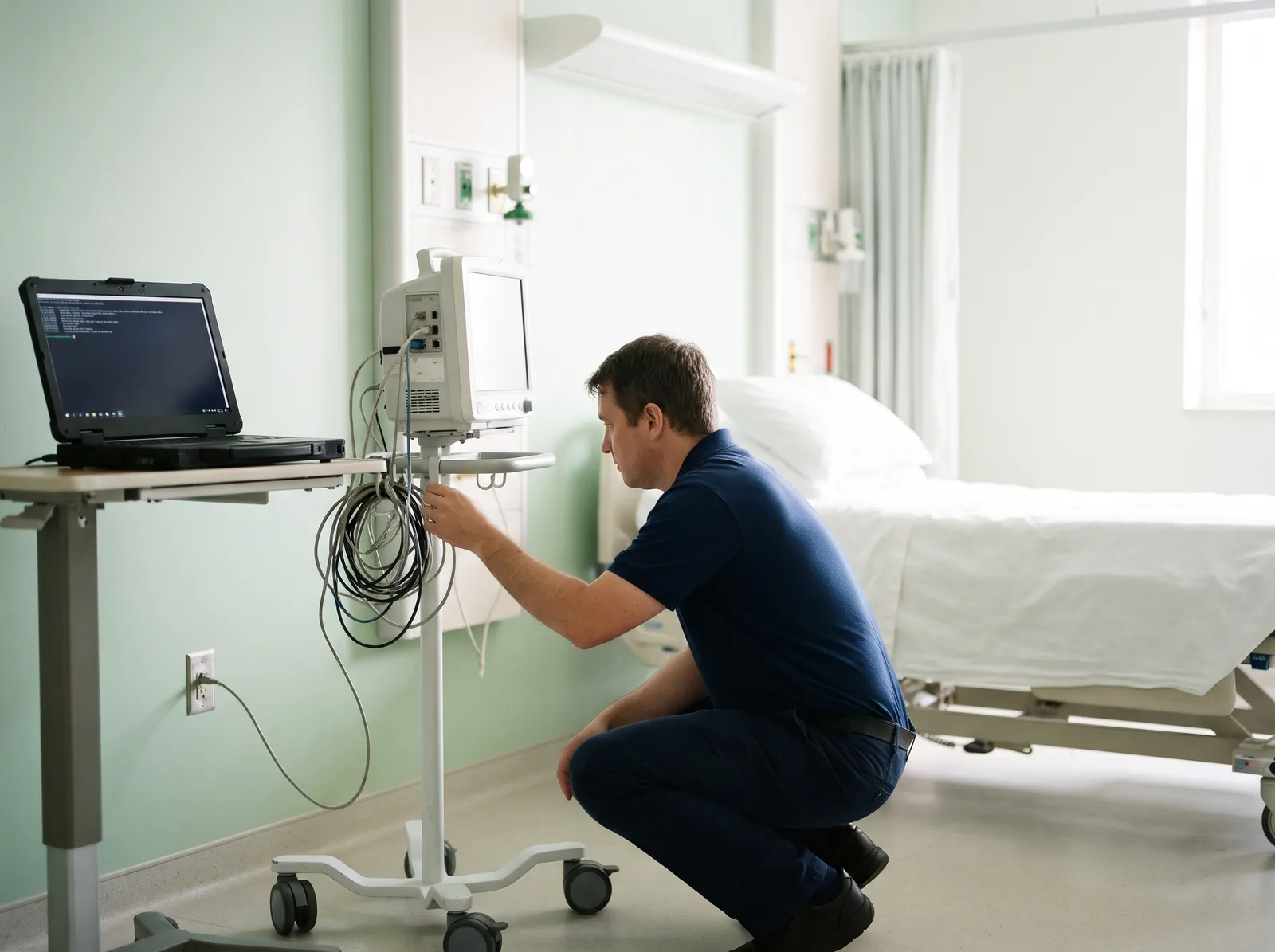
Device classes move to their own segments, a unit at a time. Hardware keys go out, night shift first.
You get a change log after every window.
A downtime drill with the units that rely on failover, then the risk analysis is redone.
You get a drill report and next year's register.
§5Meetings
What ran, what rolled back, which unit is next.
Open gaps, new devices and what vendors asked for.
One short paper: where the register stands, what changed and the next drill date.
standing meetings, each with a written note sent the same day.