

Rate plans read like train timetables. The easiest way to understand yours is to follow one ordinary evening in one ordinary house.
The house
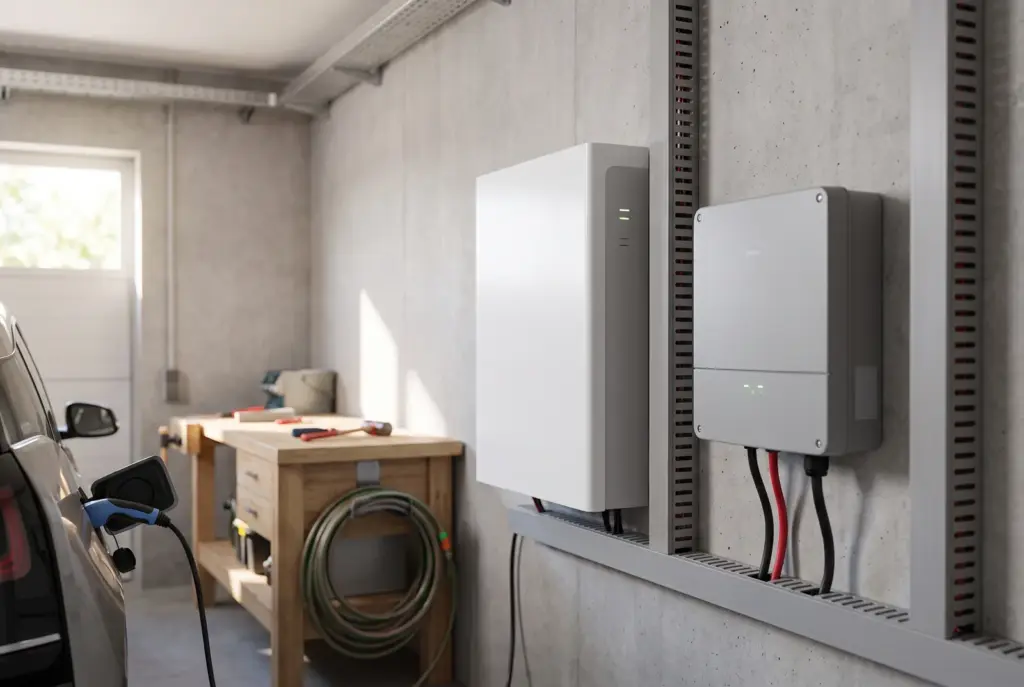
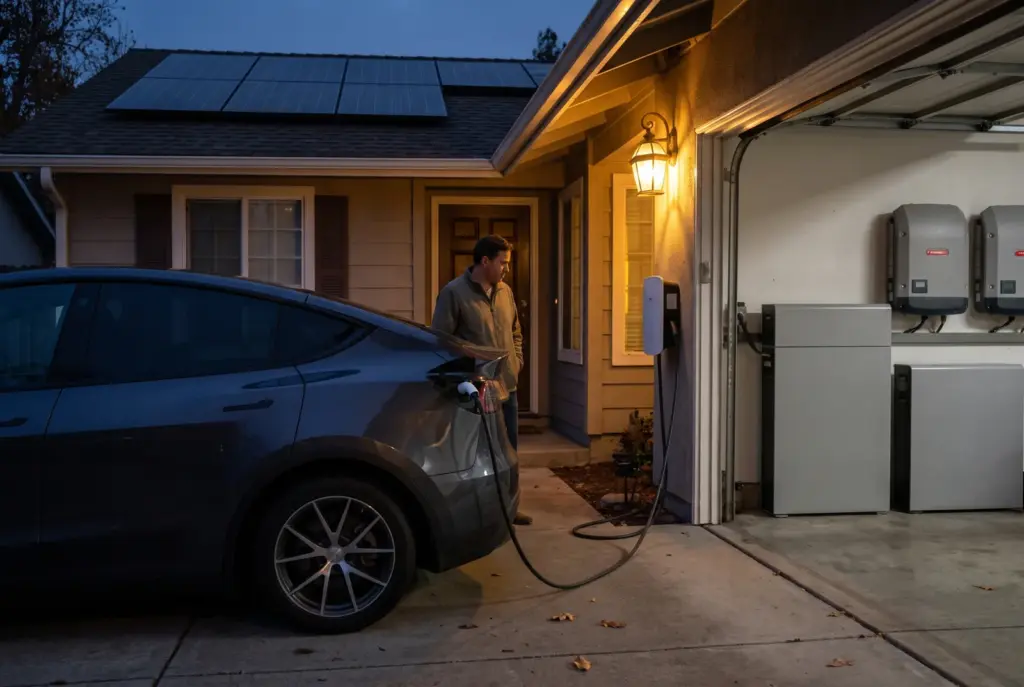
A three-bedroom home in Bayview with a heat pump, a 7.2 kWp roof and one 13.5 kWh Whole Evening battery. It is a Tuesday in March.
16:00 — the price jumps
The grid price goes from $0.27 to $0.48. The panels are still producing a little, but the battery is full and ready. From here until 21:00 the house runs on stored sun.
16:00–21:00 — dinner, laundry, heating
Peak use that evening is 9.4 kWh. Bought from the grid it would cost $4.51. From the battery, it costs only the export income you gave up by storing the sun instead of selling it: about $0.83. Tonight’s saving is $3.68.
21:00–24:00 — tapering
The day rate returns. The battery keeps running the house but always holds 20% back in case the grid fails overnight.
00:00–07:00 — rest
At $0.19 the grid is cheap enough to run the fridge. The battery rests and waits for the sun.
Adding up the year
Not every evening is a $3.68 evening. Cloudy winter days leave the battery half full, and summer evenings use less. Over twelve months this house saved $1,180 — the typical figure we quote for a three-bedroom home with one Whole Evening cabinet, before local incentives.