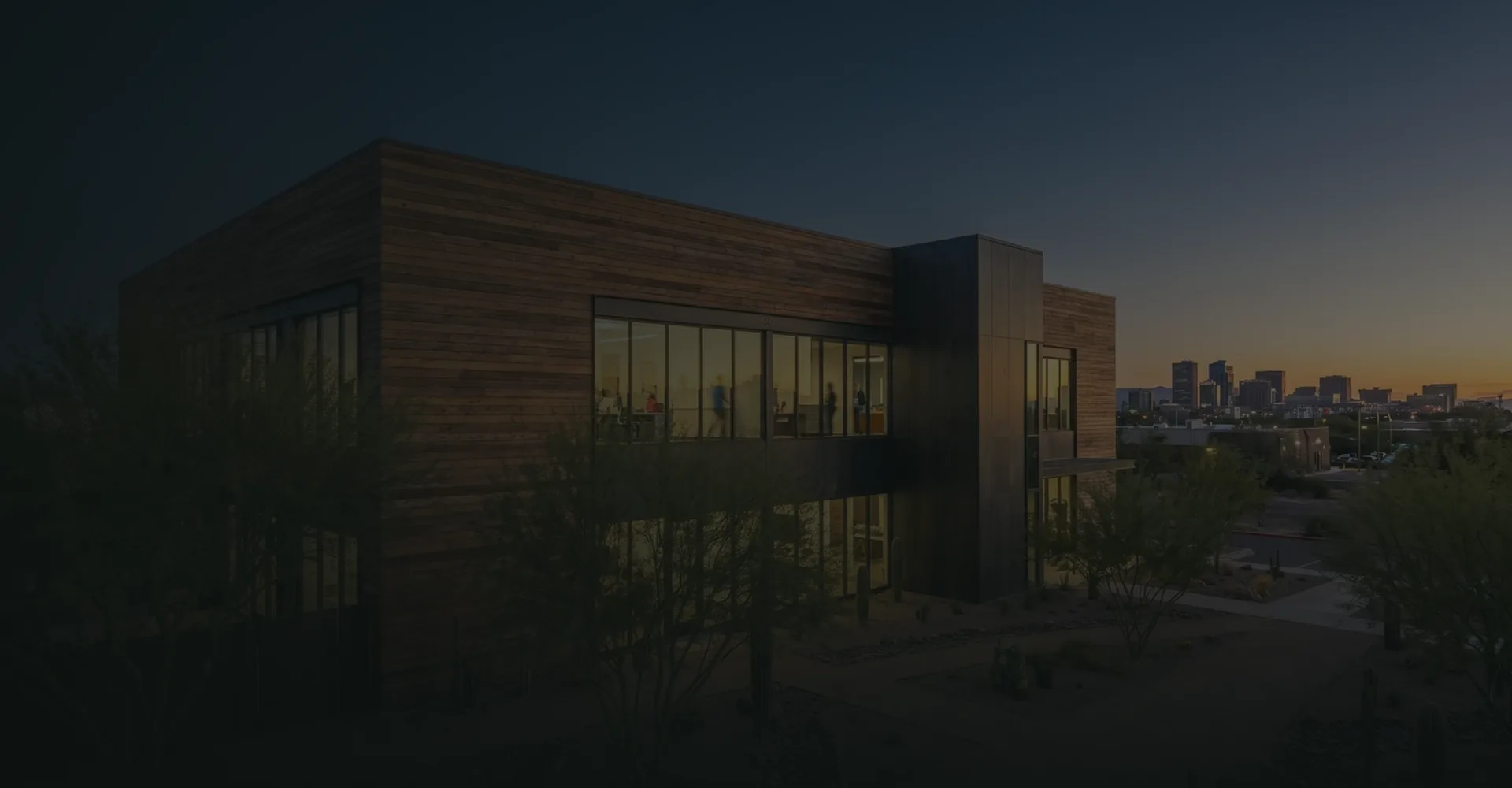
Terravolt started in Sandoval in 2012 with three engineers, a borrowed pickup and one rule that still holds: we only build the power plants we are prepared to run for thirty-five years.
Solar running across seven states — every megawatt still owned and operated by us.
They make some sites slower to start. They are also why landowners call us back and why every plant we have built is still ours.
We plan sheep, native seed and pollinator rows into the layout before the first pile goes in — not as an afterthought for the brochure.
Construction runs on union crews, and we recruit through local halls and colleges first. The paycheques stay where the plant stands.
We do not build to sell. The team that designs a site is the team that answers for it in year twenty — and that changes every decision.
The Sandoval control room is staffed every hour of the year by our own operators, with fleet data arriving every five seconds.
These are the totals the control room reads off the fleet — operating assets only, no pipeline dressed up as power.
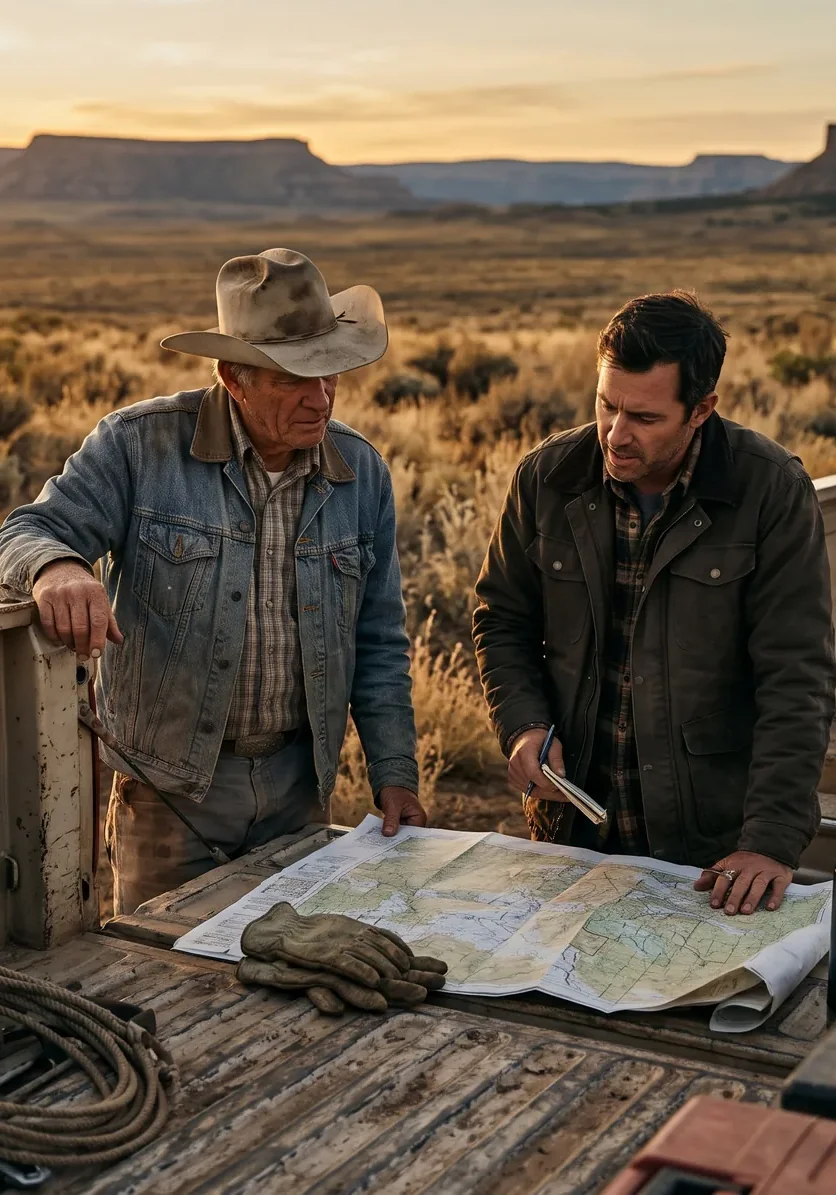
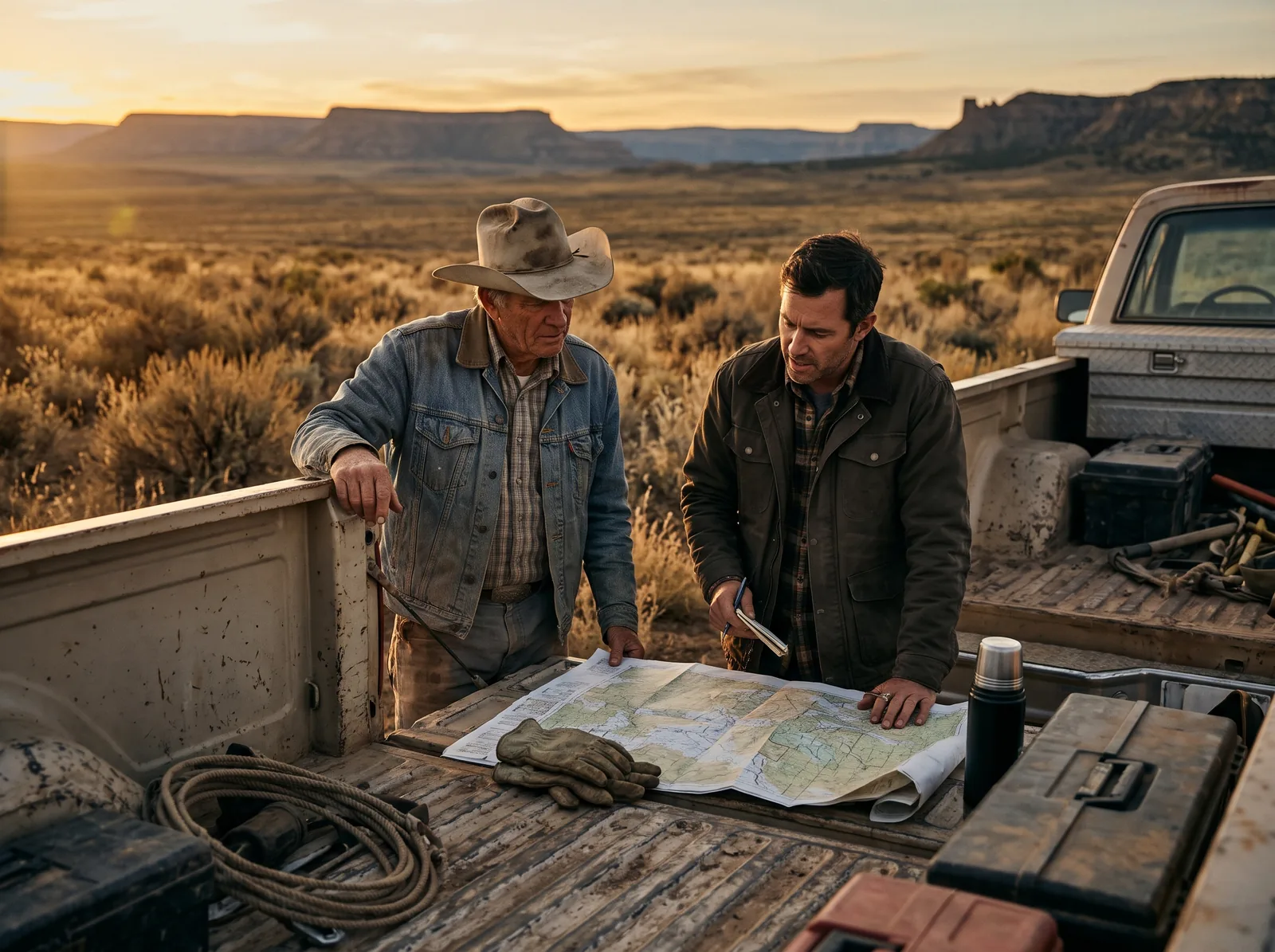
In 2012 Helen Marsh and two grid engineers rented a back office on Mesa Verde Boulevard and spent their first year at kitchen tables, asking ranchers whether a solar farm could share their land instead of replacing it. The first lease took eleven months to sign. It is still running.
Coyote Springs switched on in 2017. Since then the back office has become a control room, the engineers have become crews across seven states, and the batteries have arrived beside the panels. The question we started with has not changed: what does this land look like in thirty-five years?
Each turn started with a site that asked for something we had not built before — and a decision to keep it once we had.
Three engineers, a borrowed pickup and the first land options signed at ranch kitchen tables.
Our first plant: 220 MW in Arizona, built by a county crew and still run from Sandoval.
Our largest solar farm then and now — 420 MW, with sheep grazing between the rows from year one.
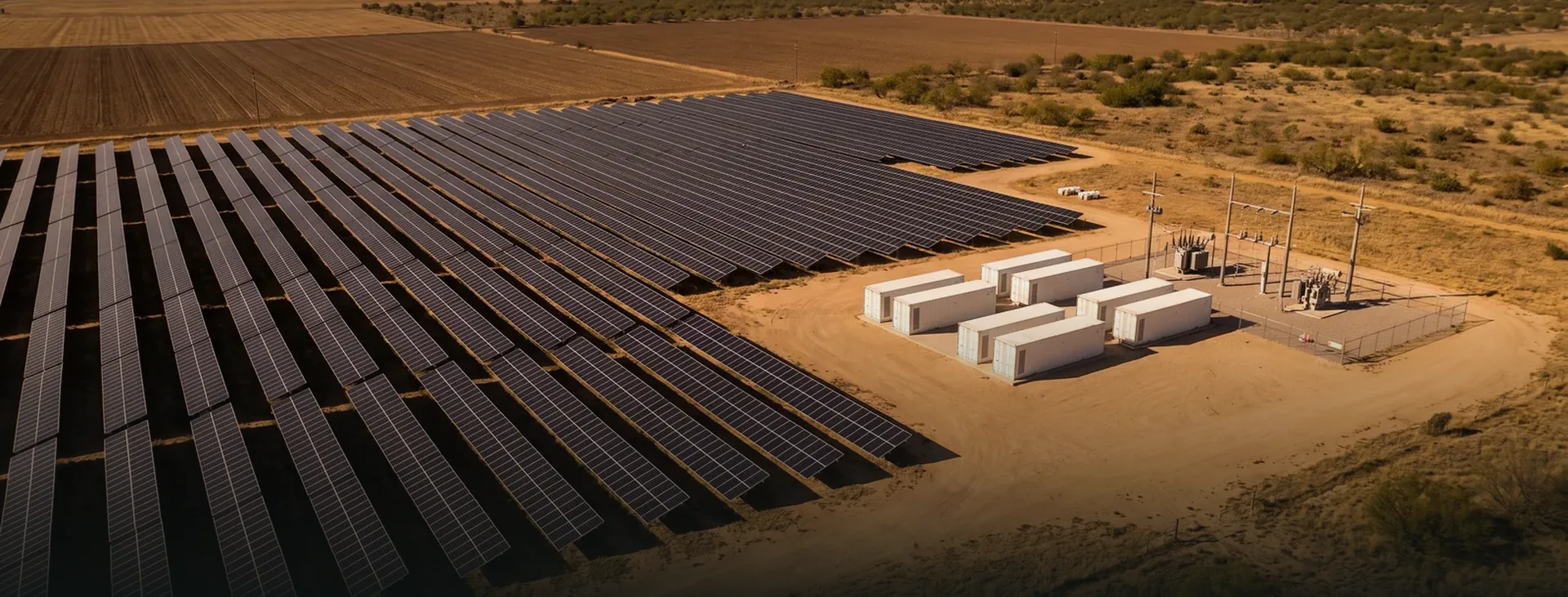
Saltbush Ridge pairs 300 MW of solar with 1.2 GWh of batteries; 94% of its charge comes from its own panels.
Red Hollow marks a year at 98.4% availability, and $1.3B of green project financing closes.
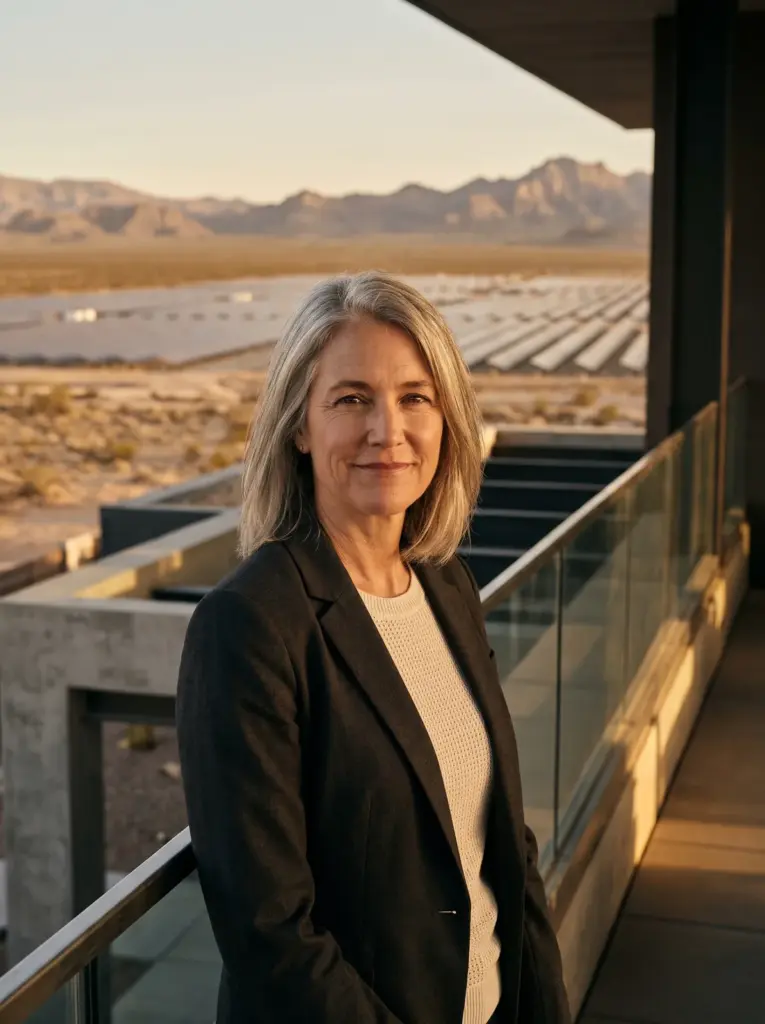
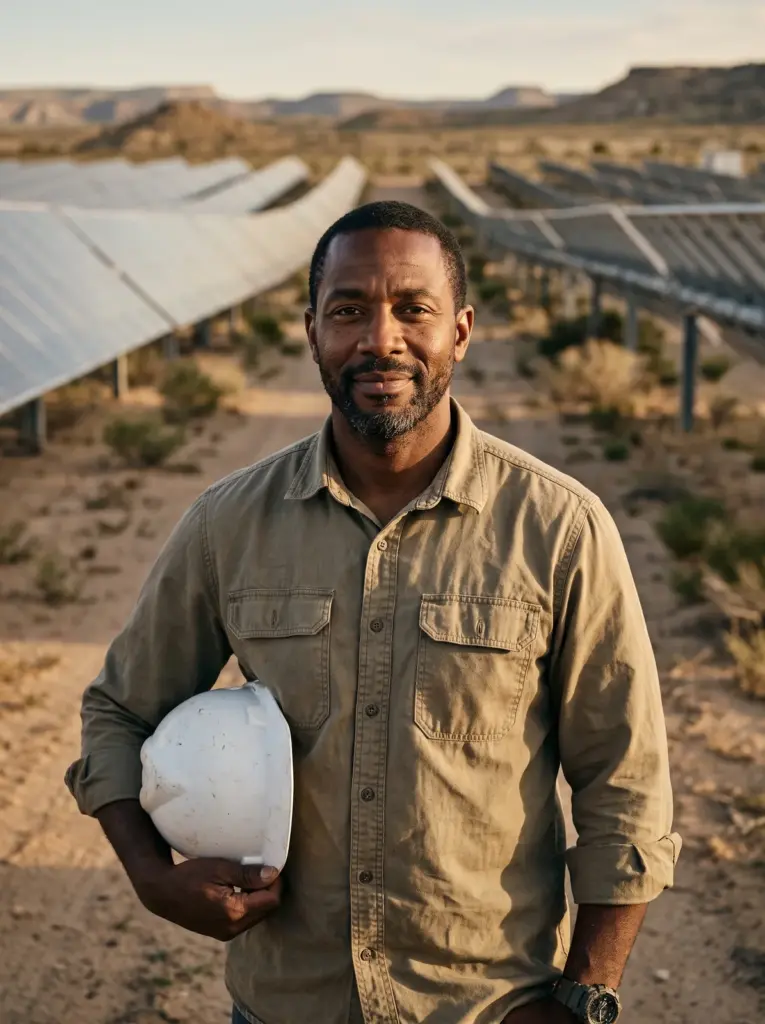
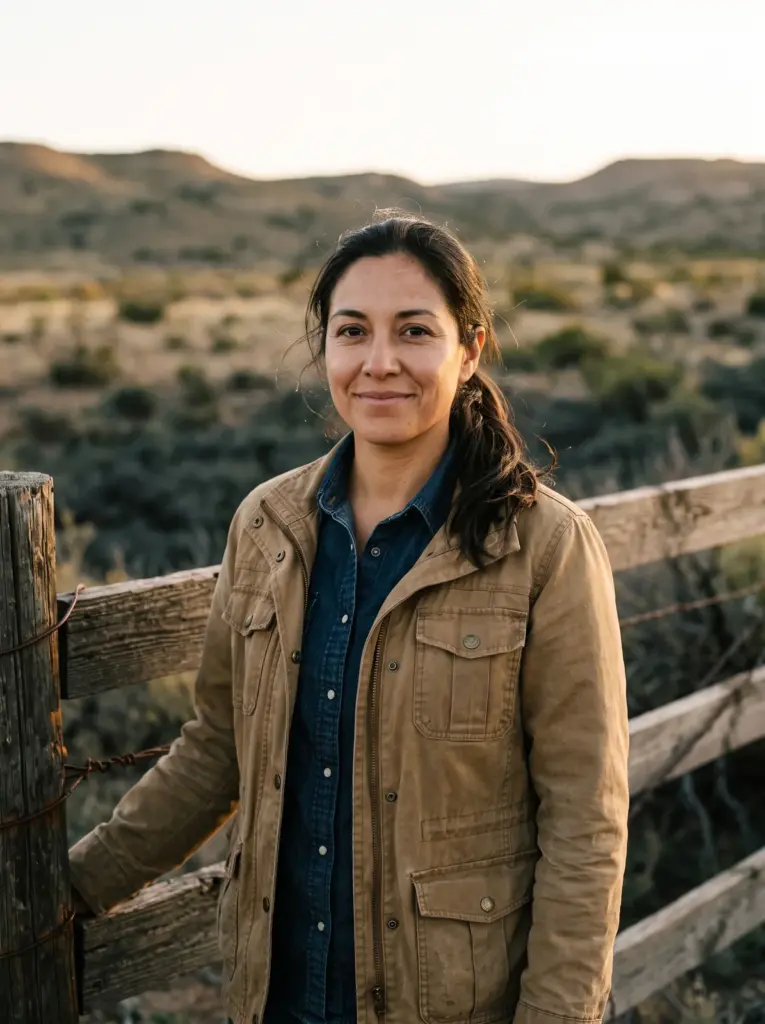
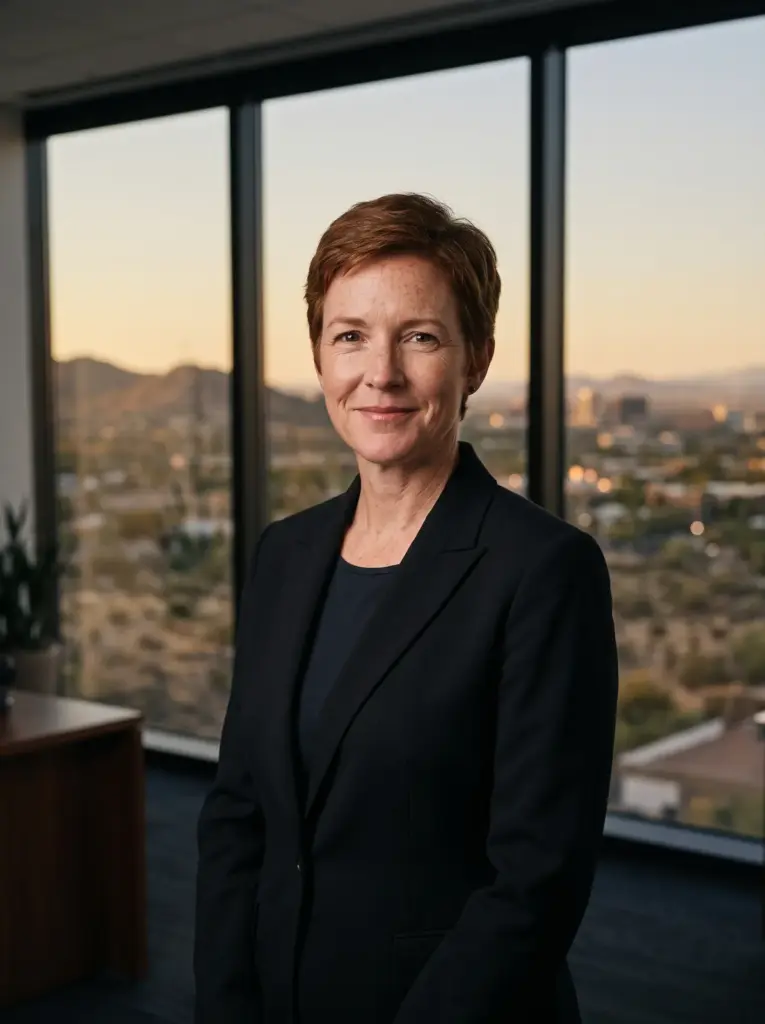
Land, engineering, finance and the control room — four of the six people answerable for a plant from the first lease to year thirty-five.