
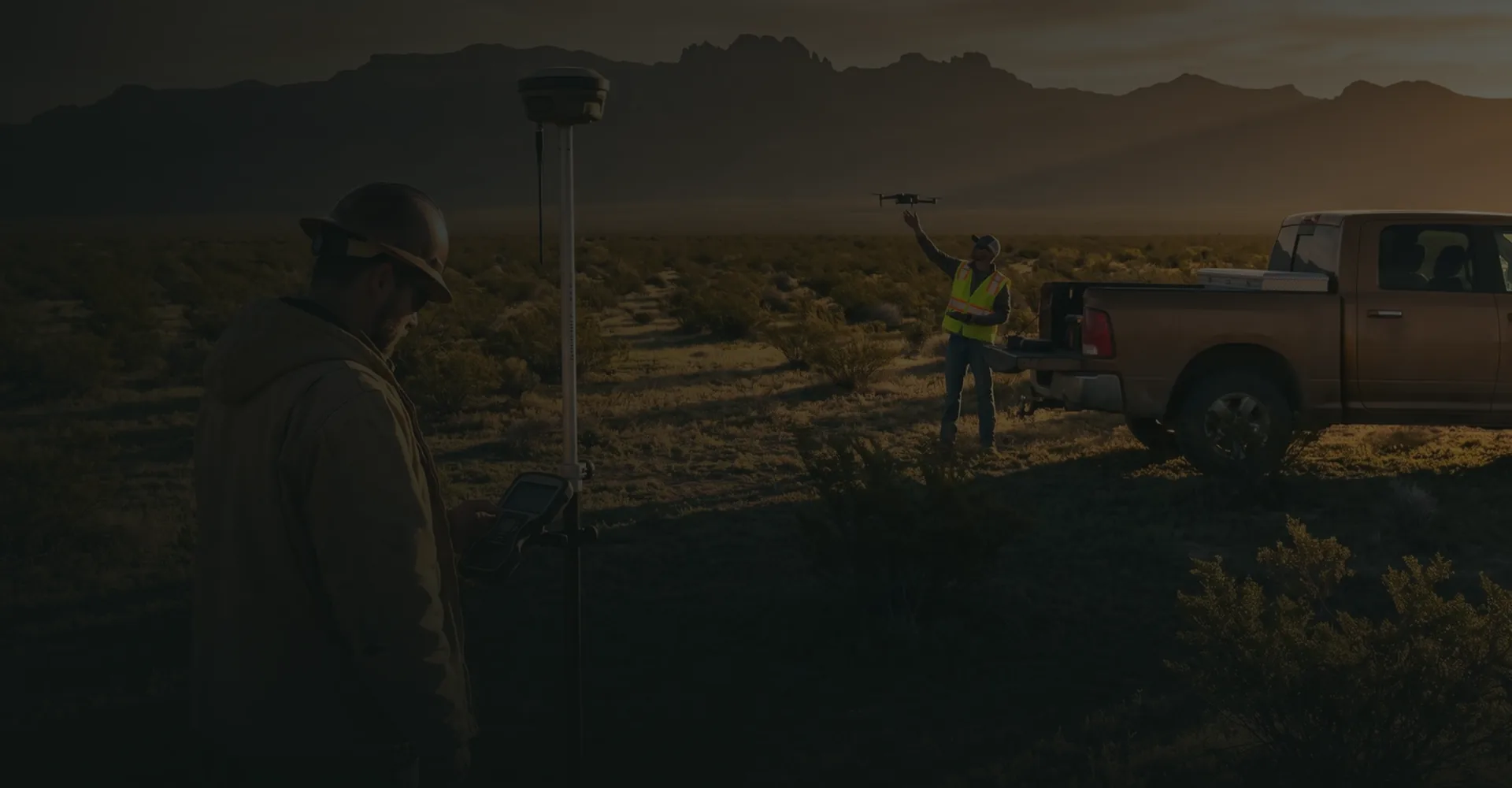
Every Terravolt plant passes through the same stages — origination, permitting, construction and thirty-five years of operation — with the same team answerable at each one.
81% of the 2.84 GW fleet on a sample afternoon, with the batteries charging 3.1 of 3.6 GWh.
About four years from the first ranch visit to switch-on, then three and a half decades of running the plant. We do the land work, the permits and the grid studies ourselves.
Land leases with ranch families, a grid connection request and a first buyer conversation. Most sites we look at never get past this stage.
Environmental, cultural and wildlife surveys, county hearings and the interconnection study — every report shared with the landowner.
Union crews, 60% of them hired in the county, building roads, trackers, battery pads and a substation of our own.
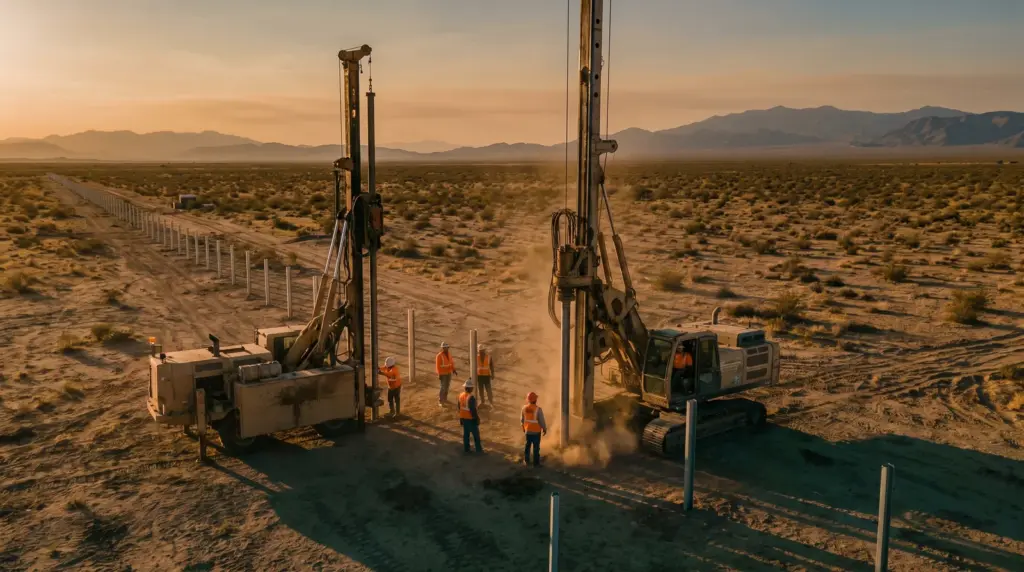
Run from the Sandoval control room with fleet data every five seconds and field technicians based near every site.
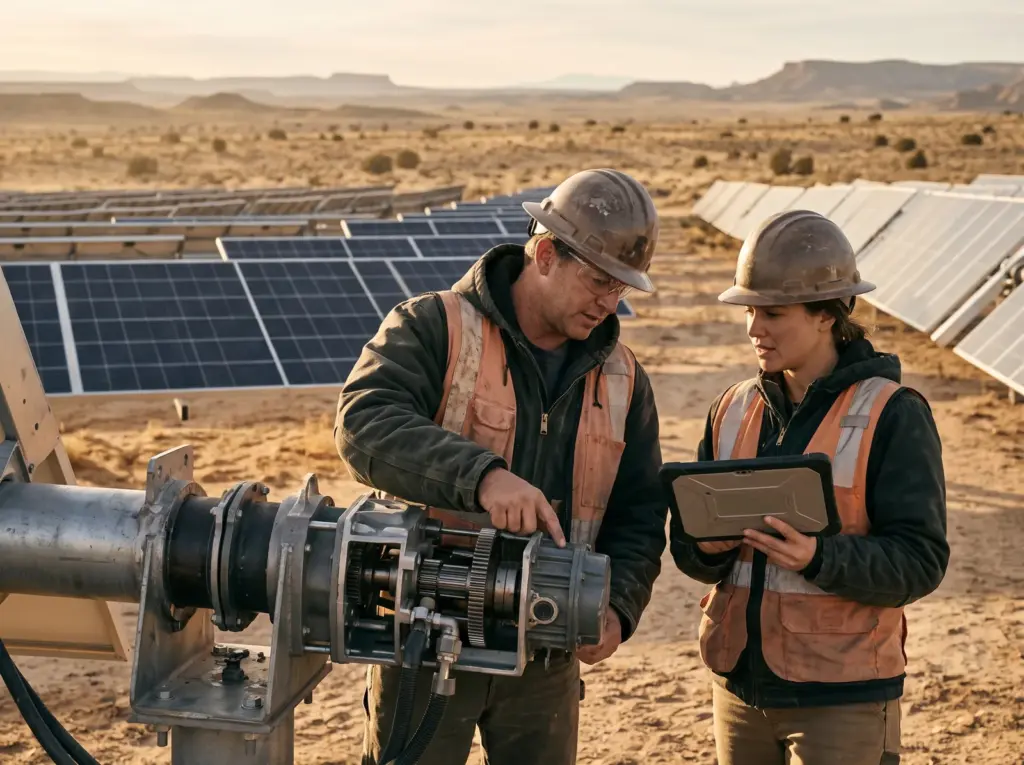
New panels on the same land, or removal backed by a bond and the ground reseeded with native mix.
The buyer's contract decides the job. The control room schedules every plant to it, day by day, from Sandoval.
Panels sell every megawatt-hour they make, sunrise to sunset, under a long-term fixed-price contract.
Solar to the grid by day, into the battery at midday, and back out through the evening peak.
Stand-alone batteries held ready for frequency and reserve calls, charging at midday and discharging at the peak.

Forty-one sites, one room. Operators watch the fleet around the clock, schedule the batteries against tomorrow's weather and send crews out before a fault becomes an outage.
Solar peaks after midday; the grid peaks after dark. Storage is the bridge, and the control room schedules it every day.
Batteries hold their overnight reserve while the panels sleep and the control room plans the day.
Solar sells to the grid and fills the batteries — 3.1 of 3.6 GWh by 15:40 on this day.
The evening ramp. Batteries discharge from 18:30 as the panels fade towards sunset.
Discharge stops at the reserve, so the grid operator can still call on the batteries overnight.