
On-site solar, a power purchase agreement or a green tariff — we model the options against your load, run the tender and read the contract. Developers pay us nothing, so the recommendation is yours alone.
Every developer has a favourite answer, and it is usually the product they build. A rooftop installer recommends rooftops; a wind developer recommends a twelve-year PPA. Neither is wrong, but neither is neutral.
We start with your load, your sites and your roadmap, model each route over its full term — cost, risk, carbon and what happens if your operations change — then run a competitive tender for the one that fits and read every clause before you sign.

Most organisations end up with a mix. The roadmap decides how much and when; the model decides which route fits each slice.
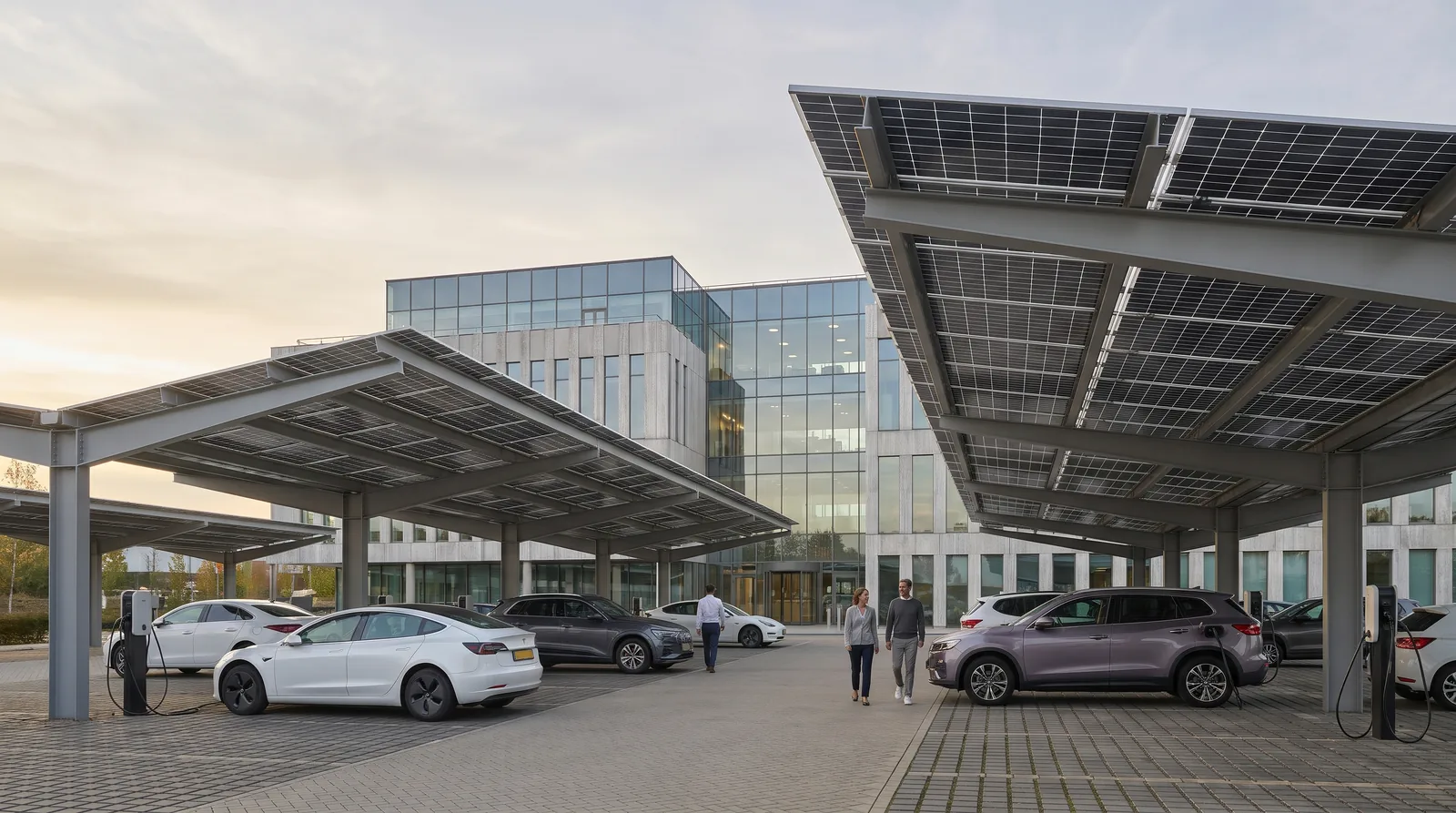
Panels on your roofs, carports or land — you own the asset or buy its output.
A long-term contract for power from a named wind or solar project elsewhere on the grid.
Renewable supply through your utility or retailer, with certificates matched to your use.
Batteries paired with solar or used alone to shave peaks and cut demand charges.
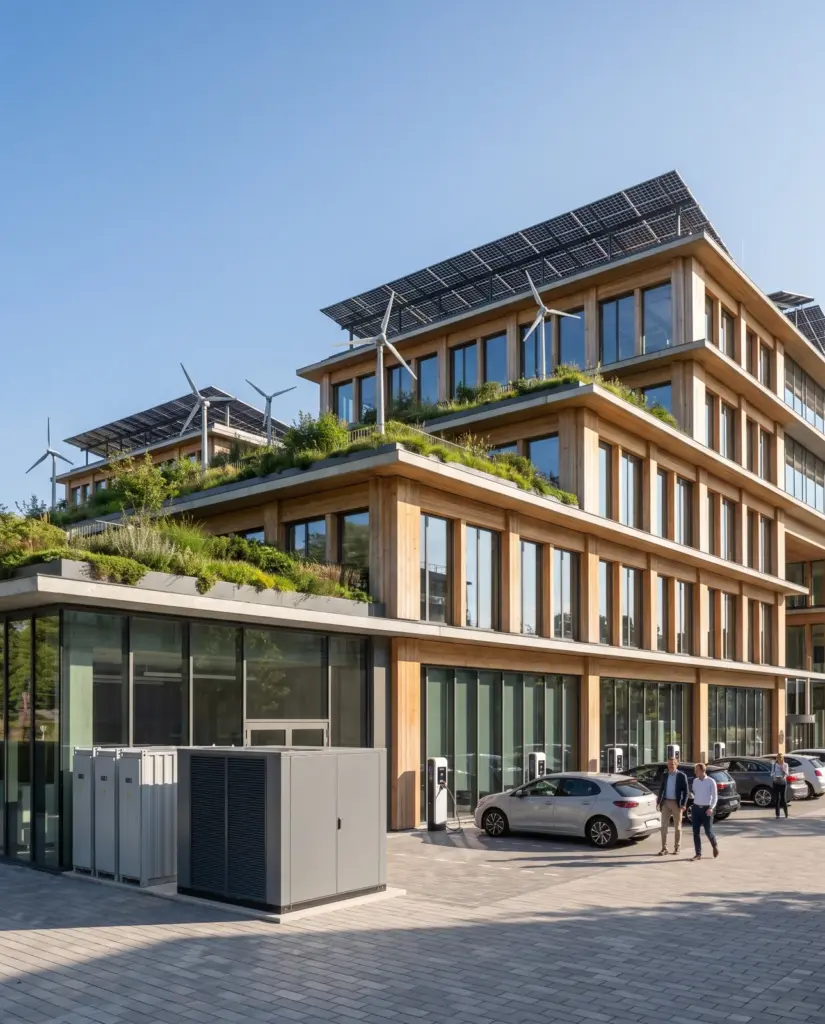
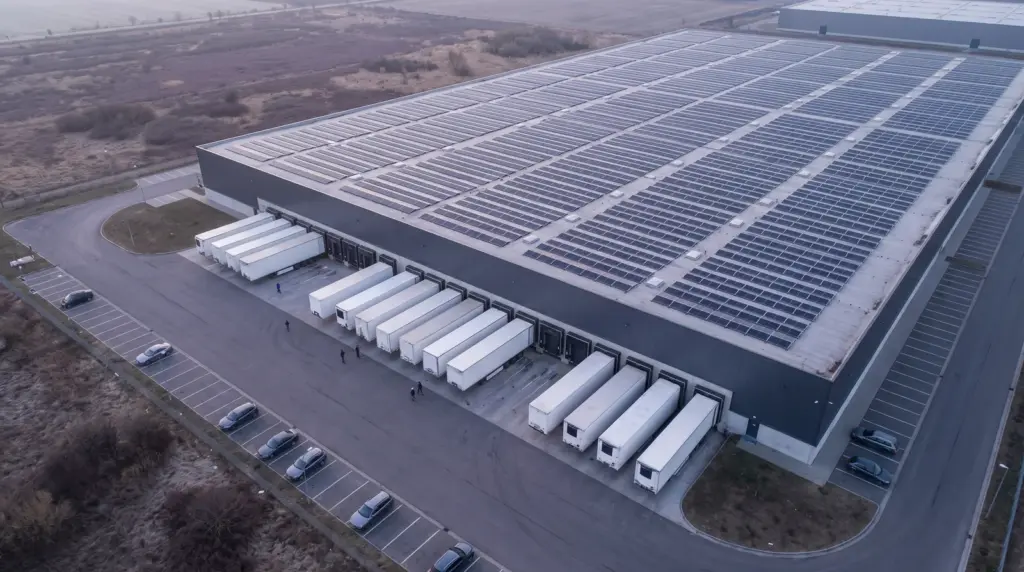
Each route is modelled over its full term on the same assumptions, so the board compares like with like — not a developer’s best case against another’s worst.
Short answers here. Ines’s team will tell you on a first call whether your load is large enough for a PPA or better suited to on-site options.
Off-site PPAs suit large, steady loads or groups of buyers. Smaller organisations are often better served by on-site solar or a green tariff. The screening step answers this before you spend on a tender.
It can, but it isn’t guaranteed. A PPA fixes or caps part of your price for a long term; whether that beats the market depends on future prices nobody knows. We model low, central and high cases so the board sees the range.
Never. We take no fee, rebate or success payment from developers, installers or suppliers. Our fixed fee is paid by the buyer, which is the point.
Yes. Aggregated PPAs let several organisations share one contract. We model each buyer’s share and help agree the terms between them.
The roadmap sets how much clean power you need and when; procurement buys it. Clients with a Kestrel roadmap usually move straight to the model step.
No. We don’t give tax advice. Where incentives may apply, we flag them so your own advisers can confirm eligibility and treatment.