
Before anyone touches a boiler, we check what you are paying for: rate class, demand charges, power factor, billing errors and contract terms. On average clients take 6% off their bills — often without changing a single piece of equipment.
Commercial bills are built from a dozen moving parts. A site can sit on the wrong rate class for years, pay demand charges set by one bad fifteen-minute peak, or carry a meter fault nobody has queried.
We take 12 to 36 months of bills and interval data, rebuild each charge from the tariff schedule and flag every difference. Then we tell you which ones to claim, which tariff to move to and which operating habits drive your demand charges.
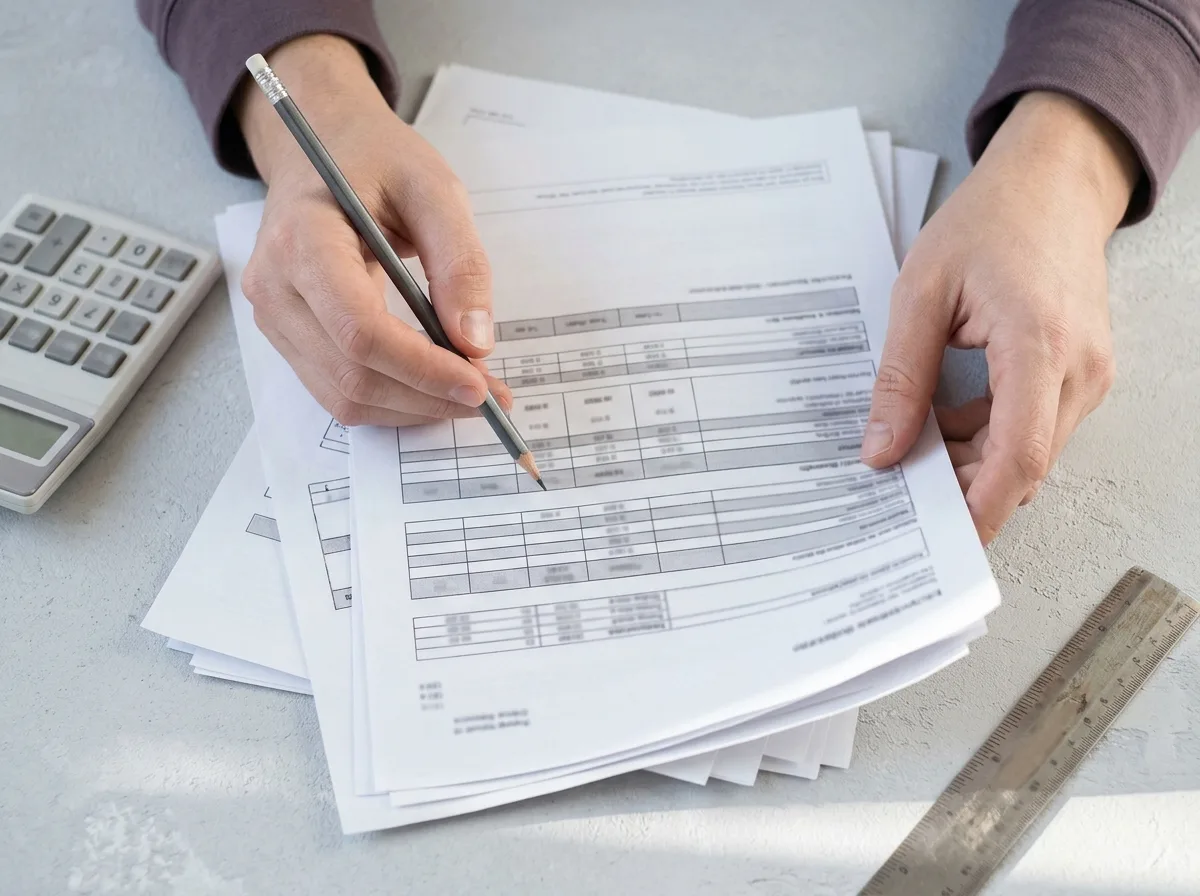
Most reviews are a one-off check. Larger estates add a monitoring service so errors are caught the month they happen.
One site, 12 months of bills and interval data. The quickest way to find out if you are overpaying.
Every account across the estate, compared side by side so the outliers show themselves.
Independent read of a supply-contract offer before you sign: terms, risks and the alternatives.
A monthly check of every bill against its tariff, with claims raised as soon as an error appears.


A short memo your finance team can act on, a claims list ready to send to the utility and the workbook behind every number.
Short answers here. Send a recent bill and the advisory desk will tell you in a short call whether a full review is likely to be worth it.
Clients have averaged about 6% off their bills, but it depends entirely on your tariff, contract and load. Some reviews find more; some confirm you are already on the right rate, which is worth knowing too.
No. The fee is fixed and agreed before we start. A contingency fee would give us a reason to chase marginal claims; a fixed fee lets us tell you when there is nothing to find.
We are not a broker and take no supplier commission. We can read an offer, compare it with alternatives and tell you what we would sign; the choice and the contract are yours.
At least 12 months of bills, ideally 36, plus interval data if your meters record it. A utility portal login usually saves your team the work of sending files.
Usually not by itself — a cheaper rate doesn’t change the energy you use. It can free up budget for measures that do, which is why many clients pair it with an audit.
No. We explain the commercial terms and risks in plain language. Your own counsel should review any contract before signing.