
ASHRAE Level 2 and Level 3 audits by two engineers on site for 2–4 days. You get a measure register with costs, modelled savings ranges and paybacks — signed by a named PE reviewer, with no equipment quote attached.
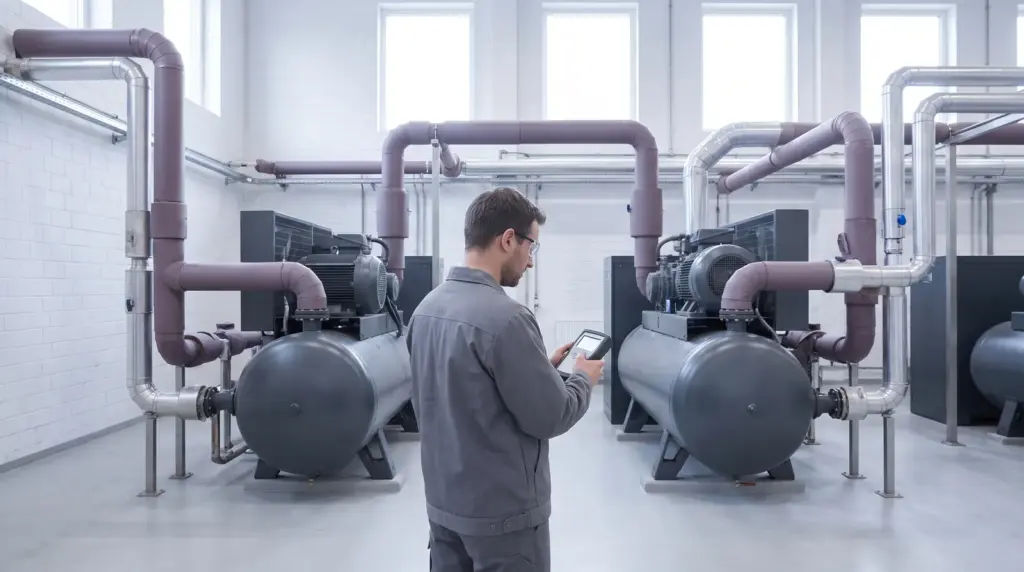
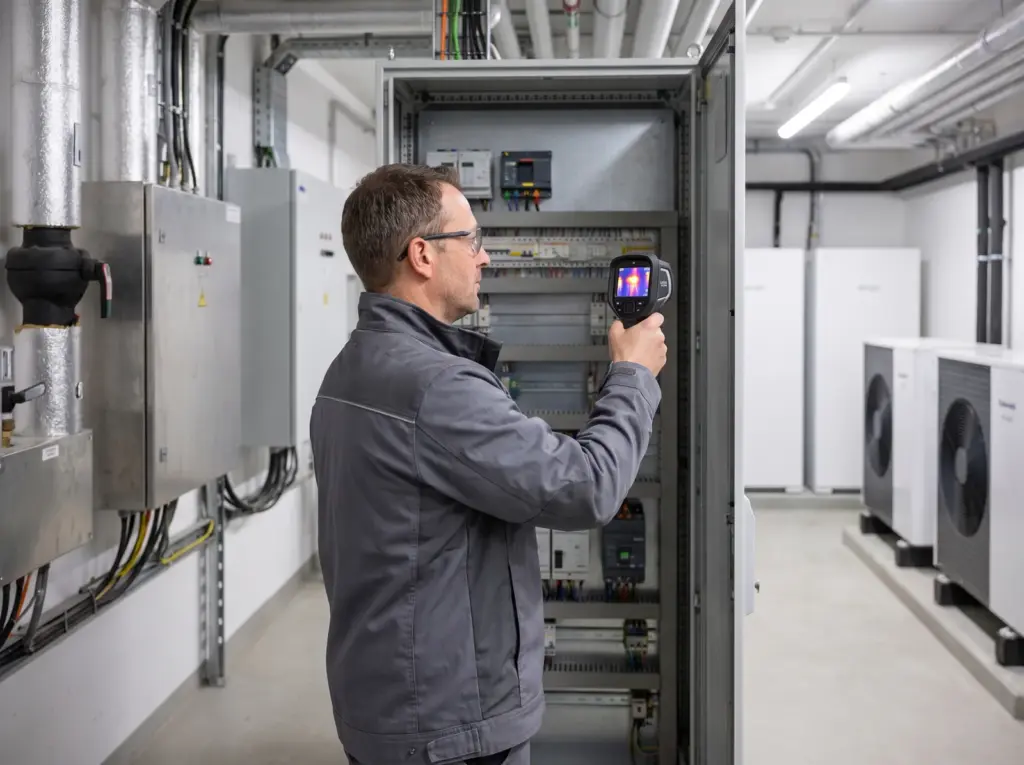
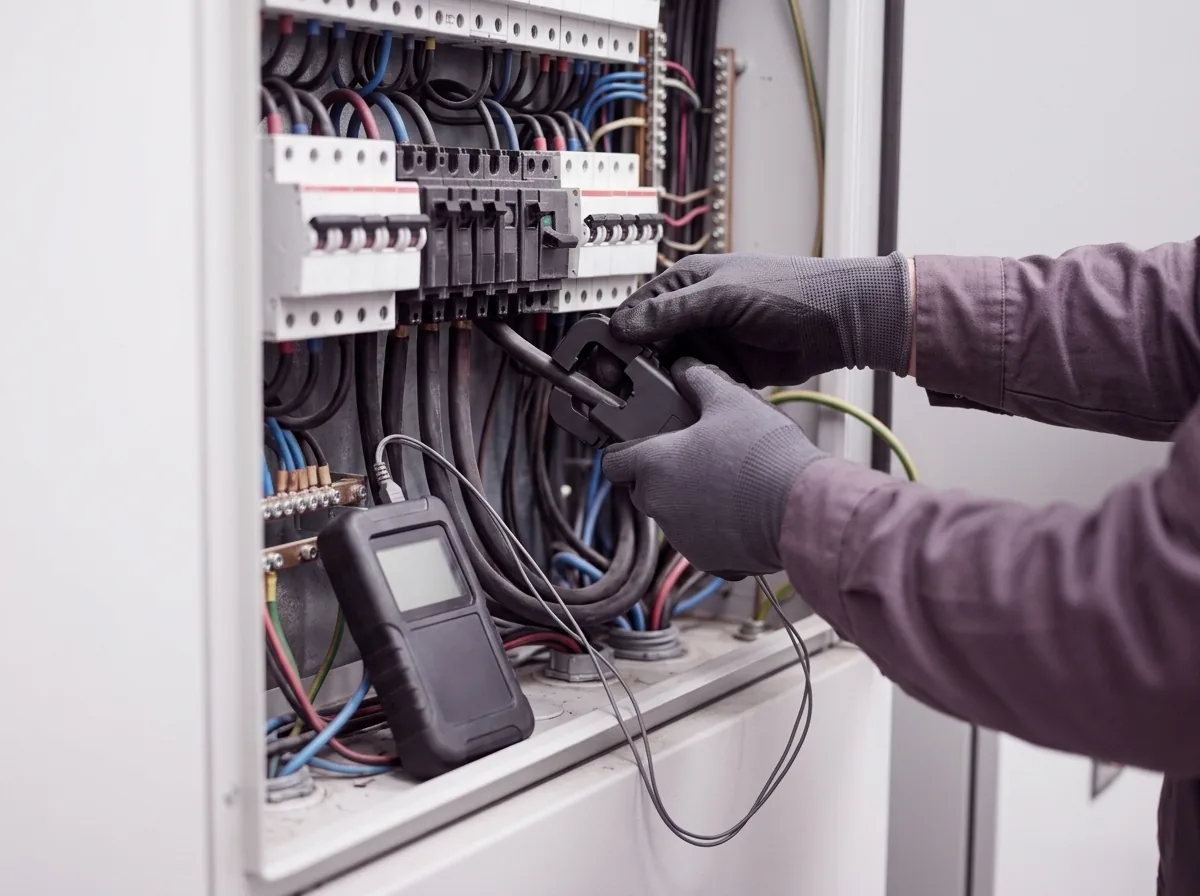
Two engineers spend two to four days on site with loggers, current clamps and a thermal camera. They walk the plant, read the controls and measure what the bills only hint at: compressed air leaks, simultaneous heating and cooling, out-of-hours loads.
Back at Wharf Street every measure is costed, modelled against your interval data and given a savings range and payback. A senior reviewer challenges each one before a PE stamps the report — so the register you take to the board is one we would defend line by line.

Most sites start at Level 2. Level 3 is for capital projects that need investment-grade numbers; portfolio screens rank many buildings before anyone goes on site.
Twelve months of bills and a short call. We tell you where the waste probably is — free, in five working days.
Full walk-through, sub-metering and a costed measure register. The right start for most single sites.
Investment-grade detail on the big measures: longer logging, engineering estimates and a tighter range.
Many buildings ranked from bills and drawings, so audit money goes to the sites with the most to find.

Every audit ends with the same five documents and a meeting. The register is a live spreadsheet, so your team can re-sort measures by payback, capex or carbon.
Short answers here. Tom’s team will go through scope and data with you on a 30-minute call before you commit to anything.
Level 2 suits most sites: it finds and costs the measures well enough to decide. Level 3 adds longer logging and engineering estimates for the large capital items, which lenders and boards often want before approving spend.
We can’t promise a number. Across 620+ audits the average register has found about 22% of energy spend, but every measure is shown as a modelled range (±15%) with its assumptions. Measured results come from M&V after measures go in.
No. Measures are written as performance specifications, so any qualified installer can price them. We take no commission from manufacturers, installers or energy suppliers.
A discovery call, a data request (bills, drawings, BMS access), a site escort for 2–4 days and a results meeting. Most clients spend under three days of staff time in total.
Many clients implement with their usual contractors. Some add M&V to measure what arrived, a net-zero roadmap, or grants support to fund the measures. None of that is required.
No. We don’t give tax advice. If tax treatment affects your decision, please speak to your own accountant or adviser.