

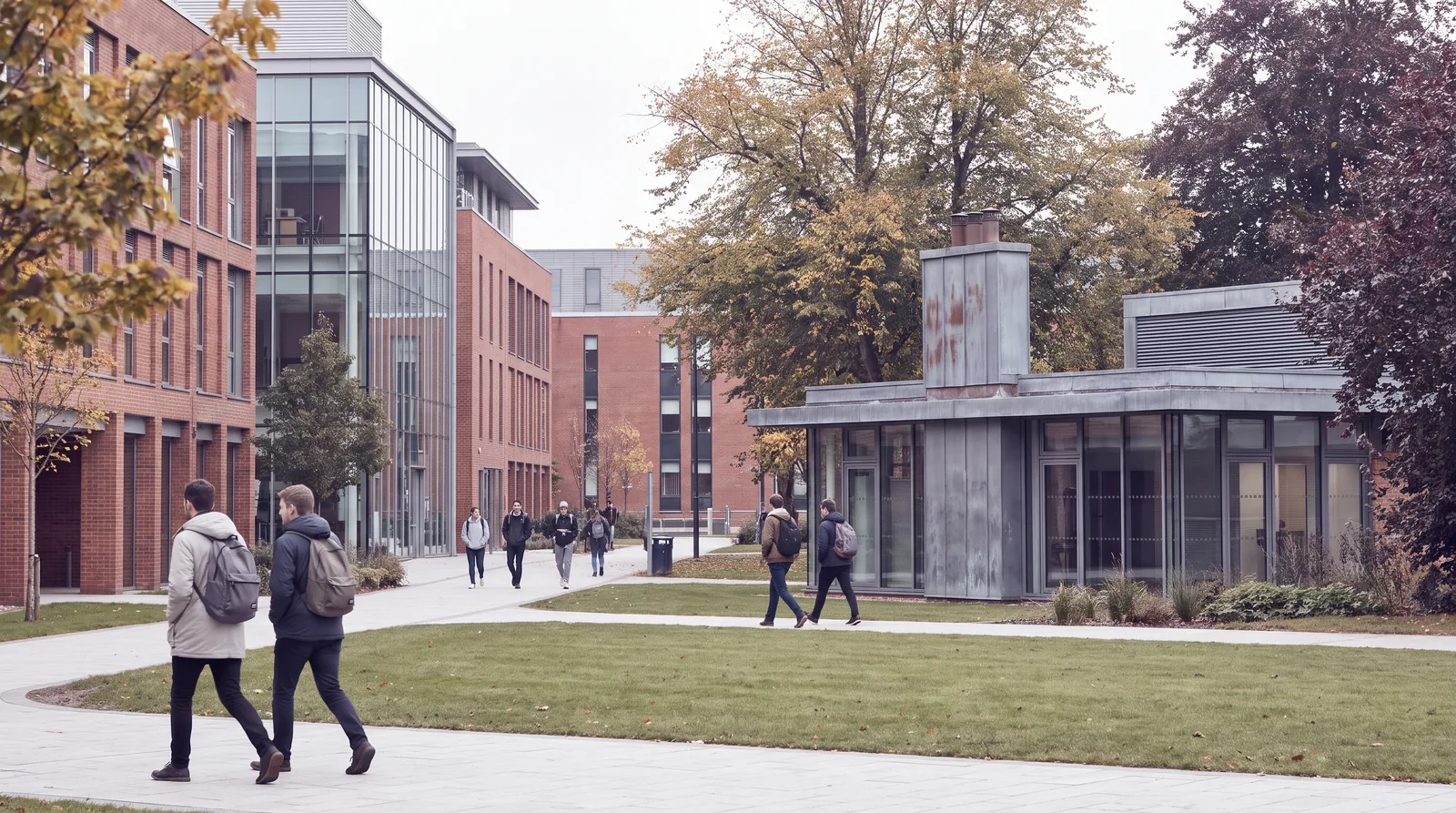
Westgate University’s heat-network upgrade was always going to happen. The question was how much of it someone else would help pay for. Over eighteen months we found eleven utility and public programmes that fitted, wrote fourteen applications and secured $2.1M.
Start before the design is fixed
Most programmes want to approve a measure before it is bought. We mapped every programme’s pre-approval rule against the project schedule in week one, so no purchase order went out before the paperwork was in.
One owner, one tracker
Each application had a named owner and every deadline, document and inspection lived in one tracker the estates team could see. Two programmes paid only after a post-install inspection; both were booked before the contractors left site.
What did not work
Three applications were declined, two because the programme budget ran out in the quarter we applied. We now check remaining budgets before writing, not after.
Priya Raman’s team handles incentives on every Kestrel engagement. The average client secures $380,000; the figure depends entirely on where you are and what you build.